Hiking and backpacking are what we love to do. Over the past 50 years, we have experienced a wide variety of trail surfaces and conditions.
A common trail surface is dirt which can be quite easy on the feet.
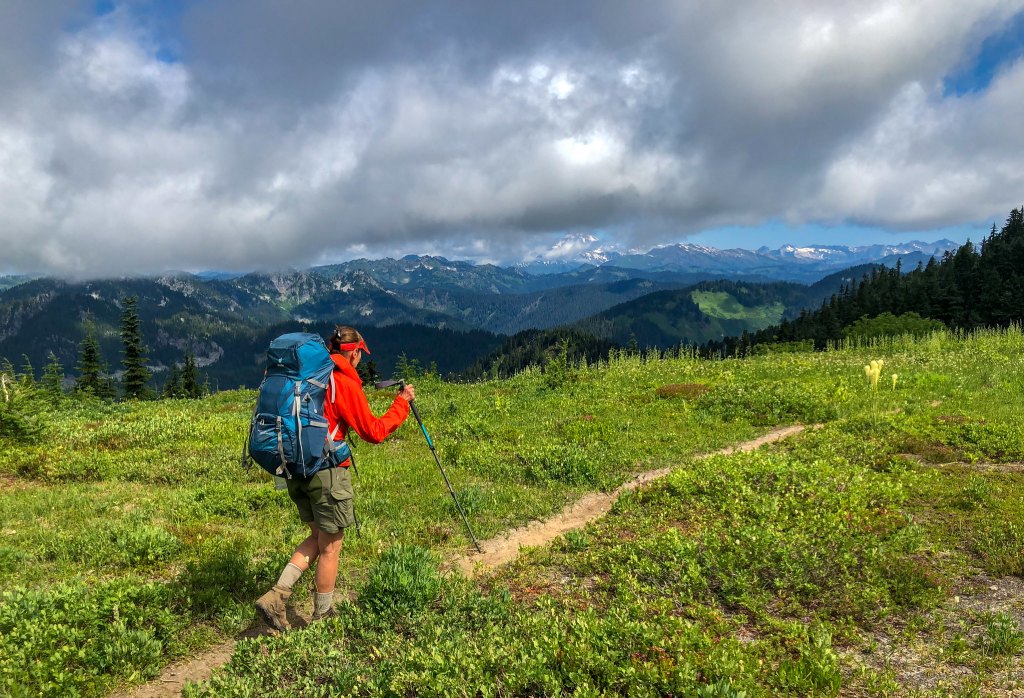
However, a downside to smooth dry dirt is that it can be dusty.
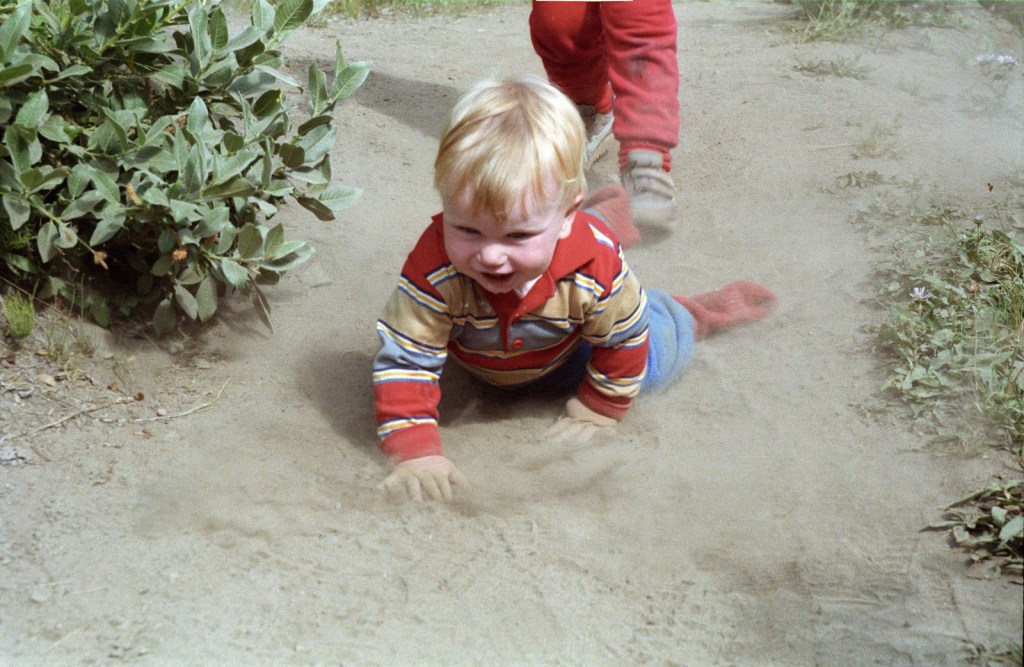
And where there’s dirt there can be mud.
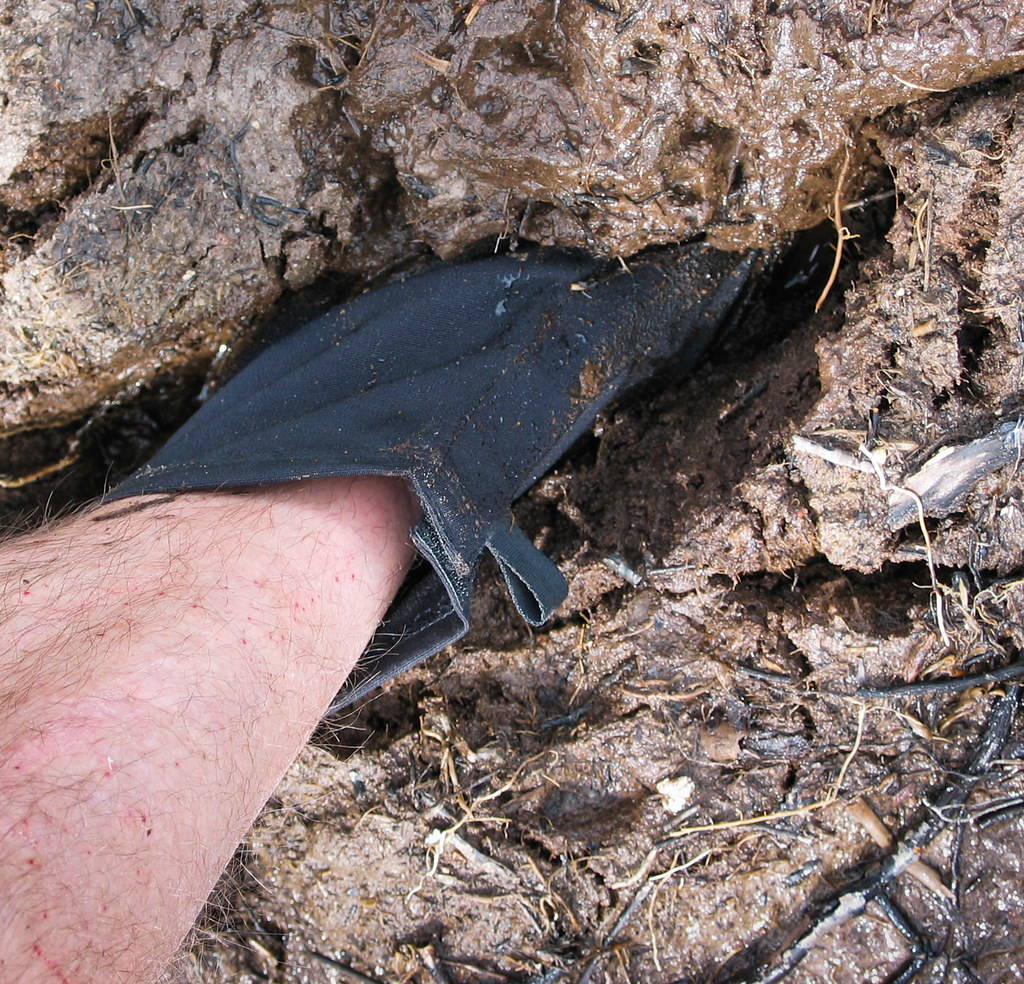
On steep ground, mud can be quite slippery.
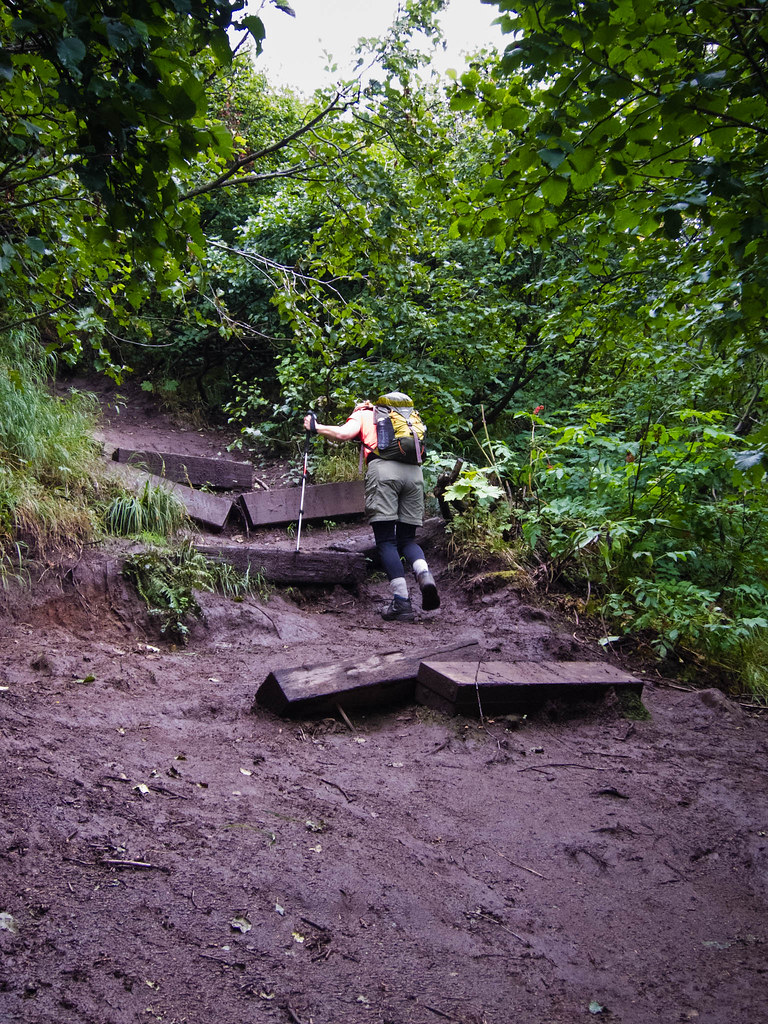
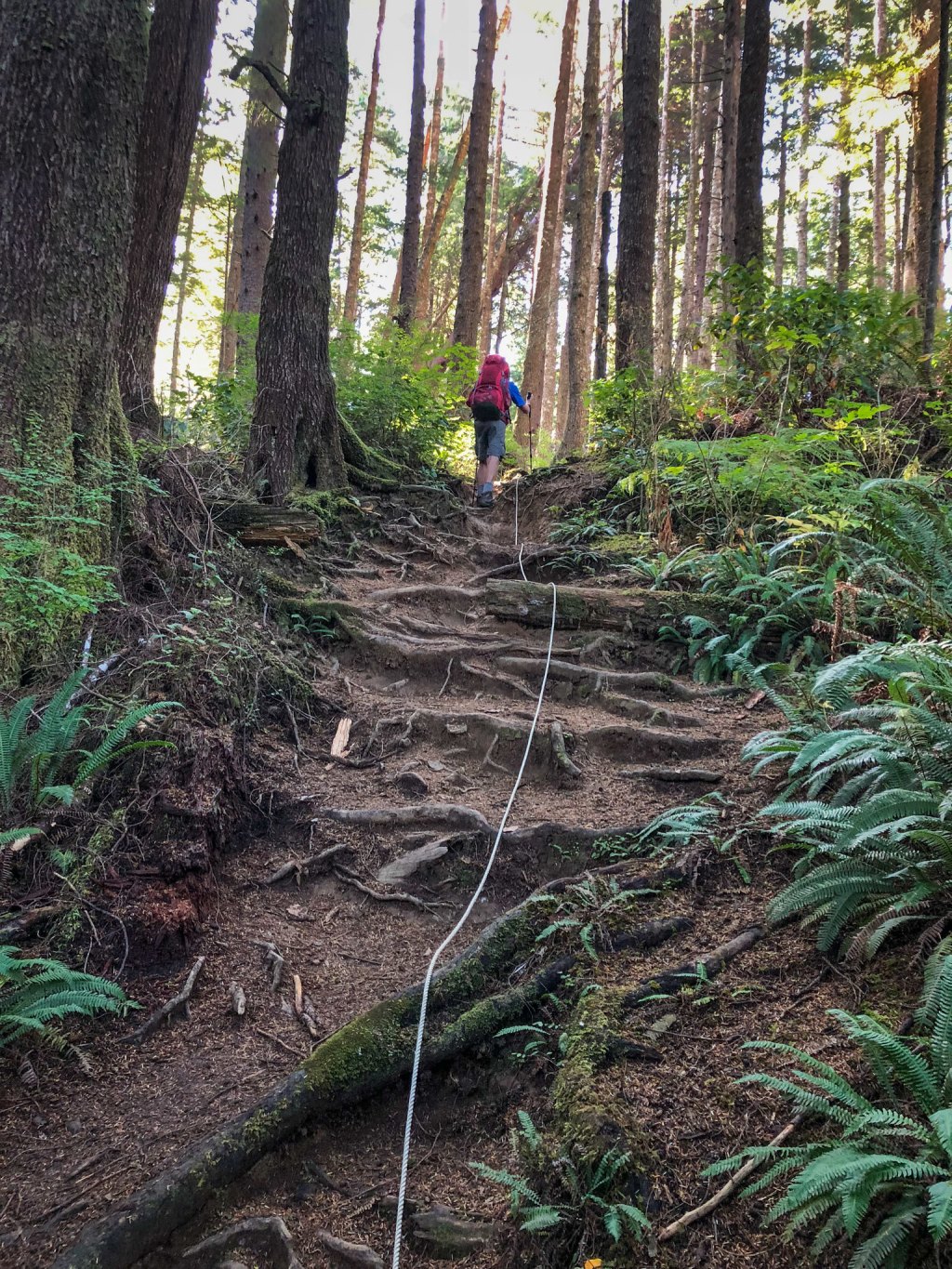
Dirt trails may be marred with roots which have a propensity for tripping inattentive hikers by reaching up and grabbing a boot.
Gravel can make a great trail surface. It is durable and generally less dusty or muddy than dirt, although it can be expensive and labor intensive for parks to install.
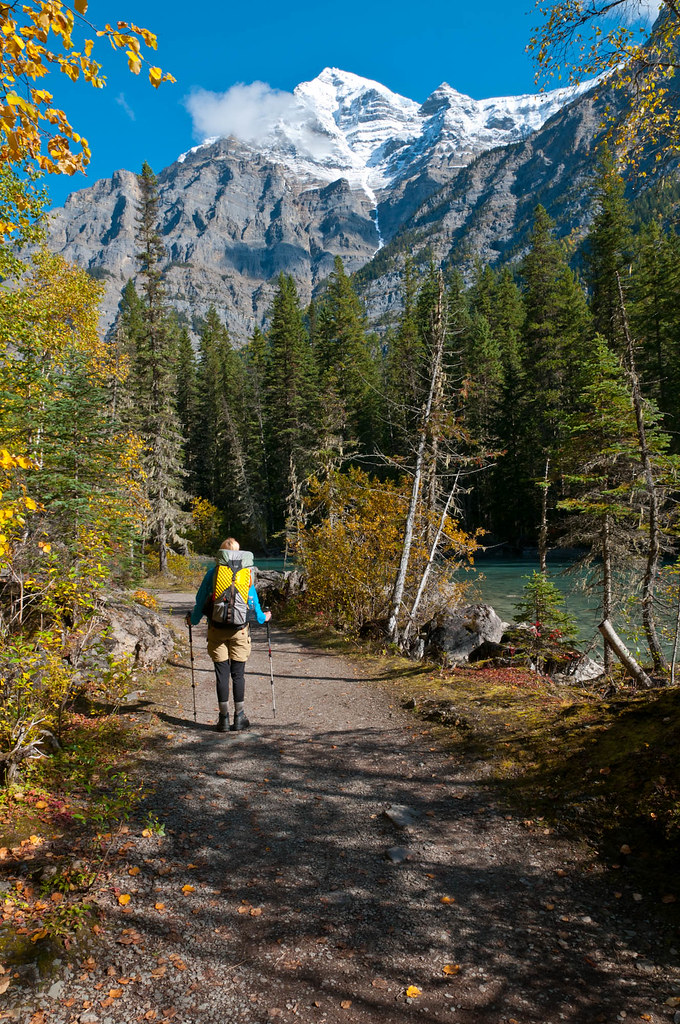
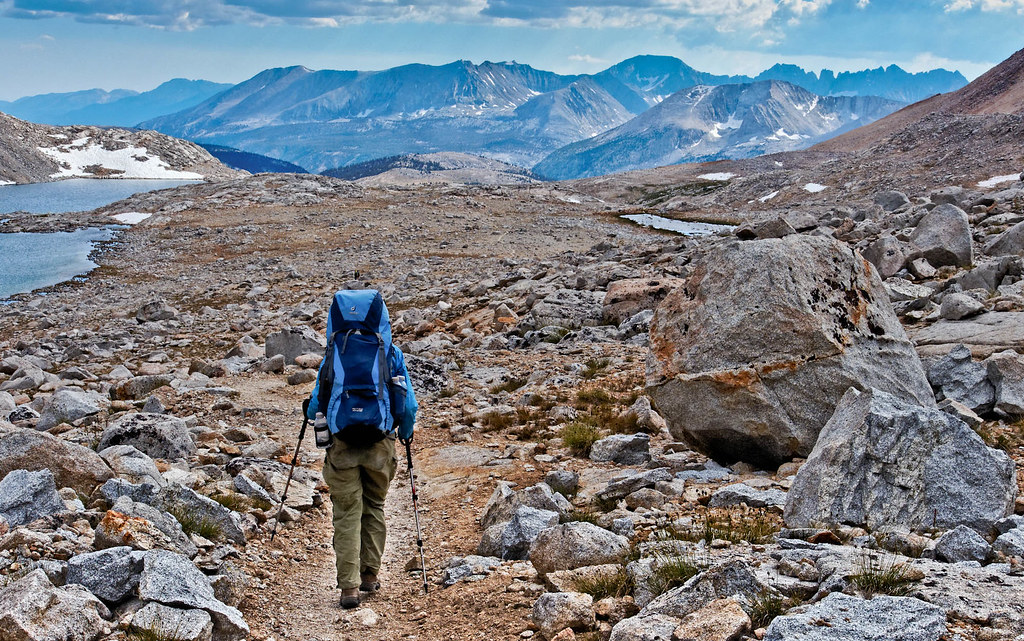
Sometimes gravel just occurs naturally.
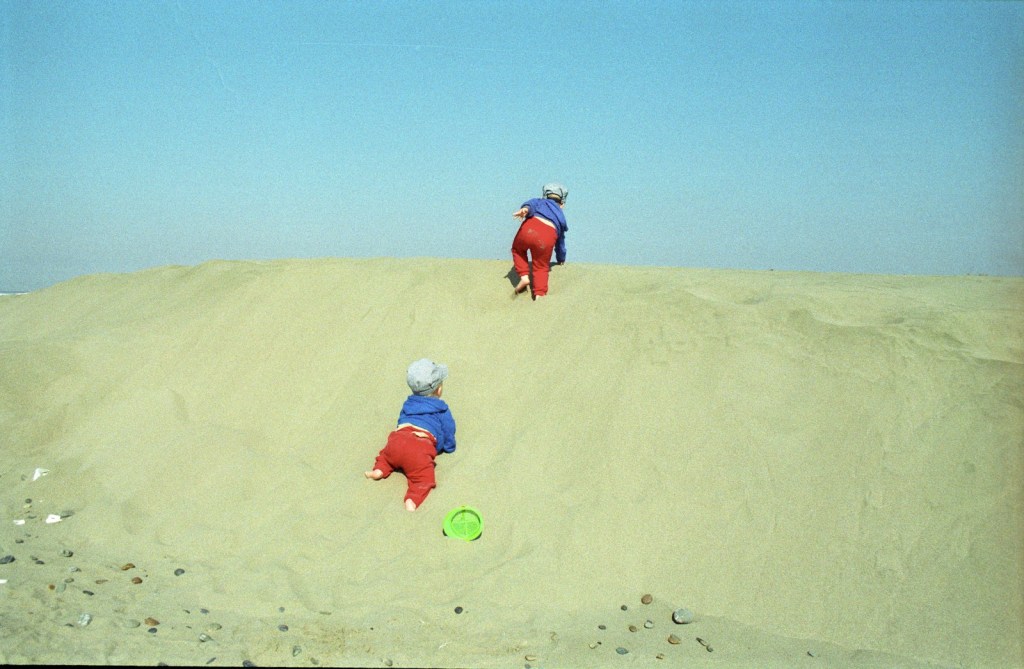
Sand is a less common hiking surface. It is a treat when it is smooth and firm.
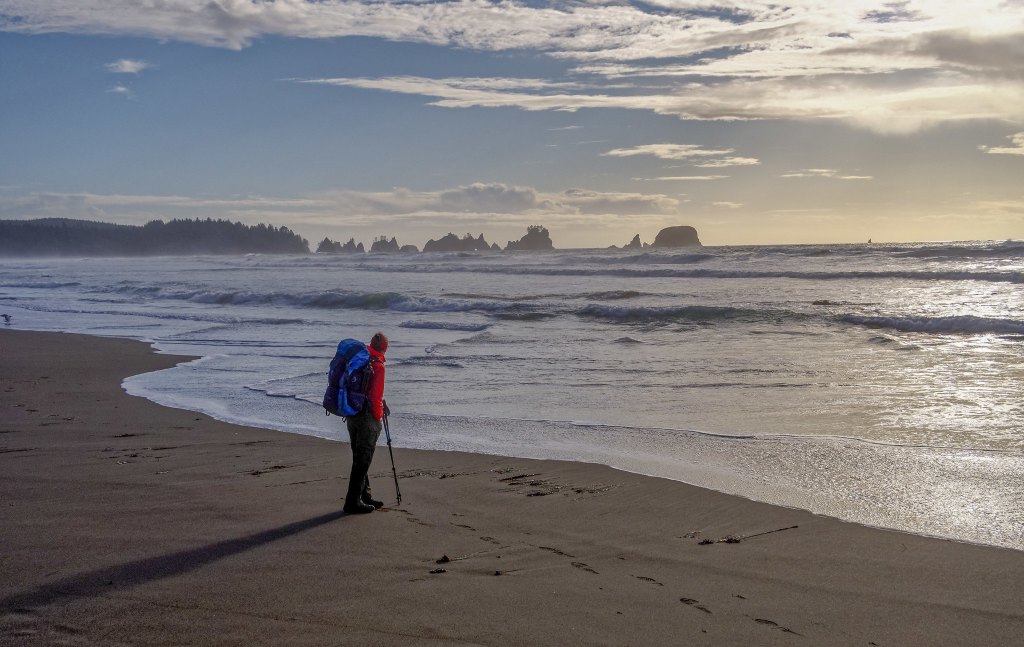
But certain conditions, for example when it is deep and loose, can make it challenging.
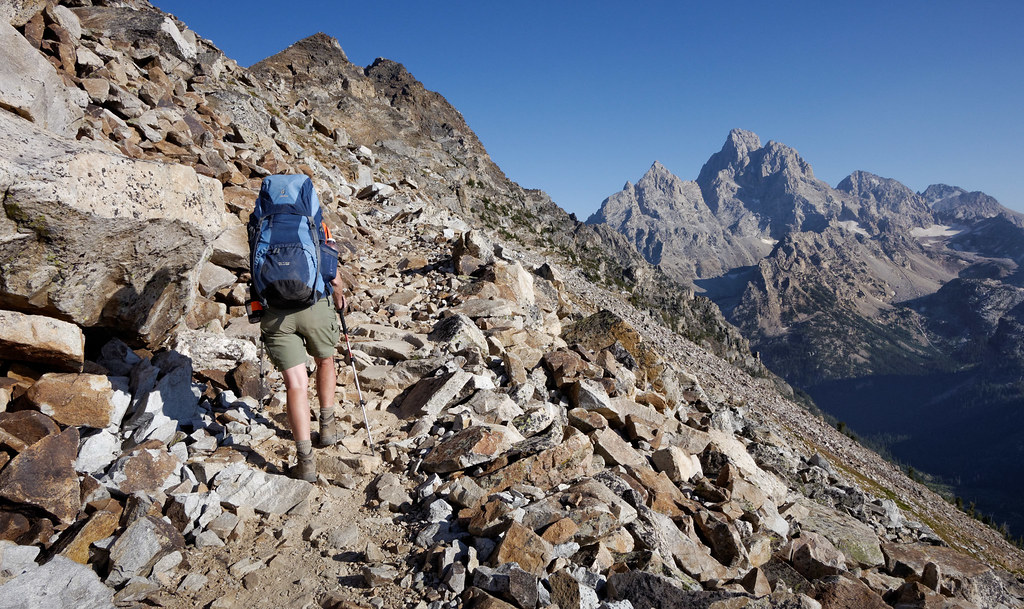
Rocky trails present a different challenge.
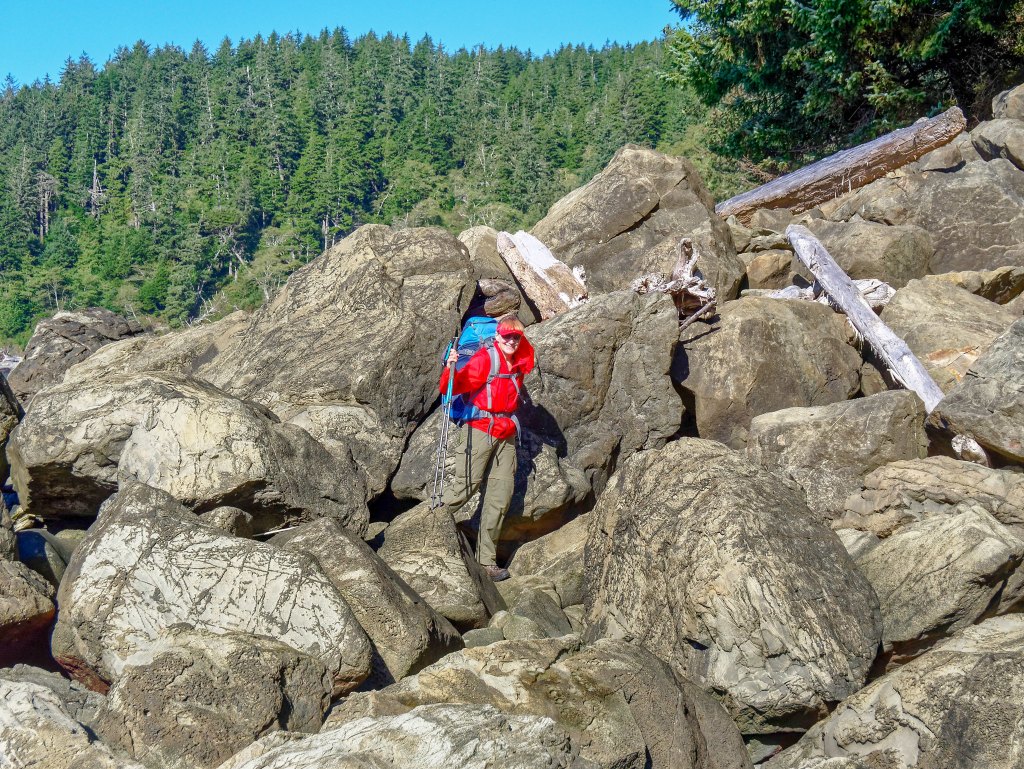
Sometimes rocks must be climbed over.
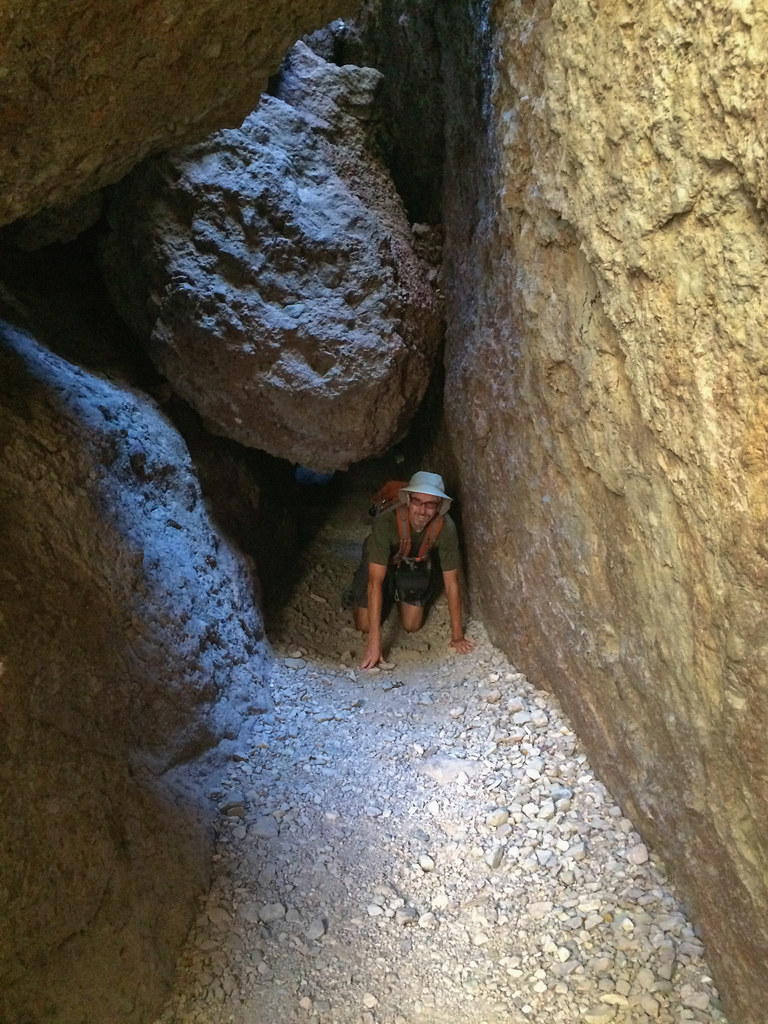
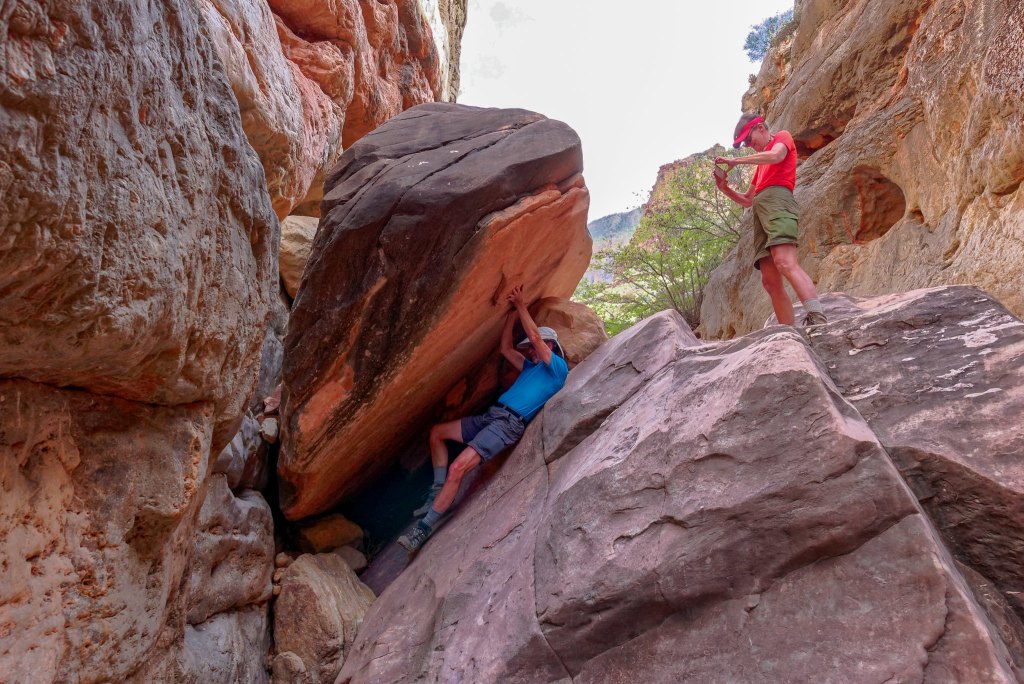
Other rocks one must crawl underneath.
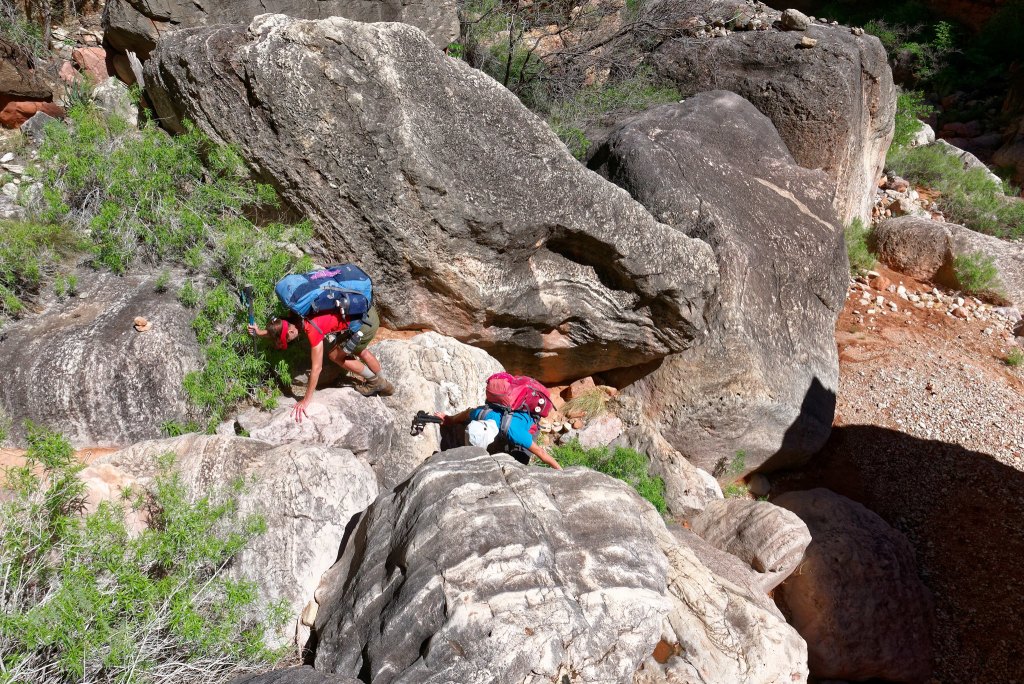
Sometimes either will work.
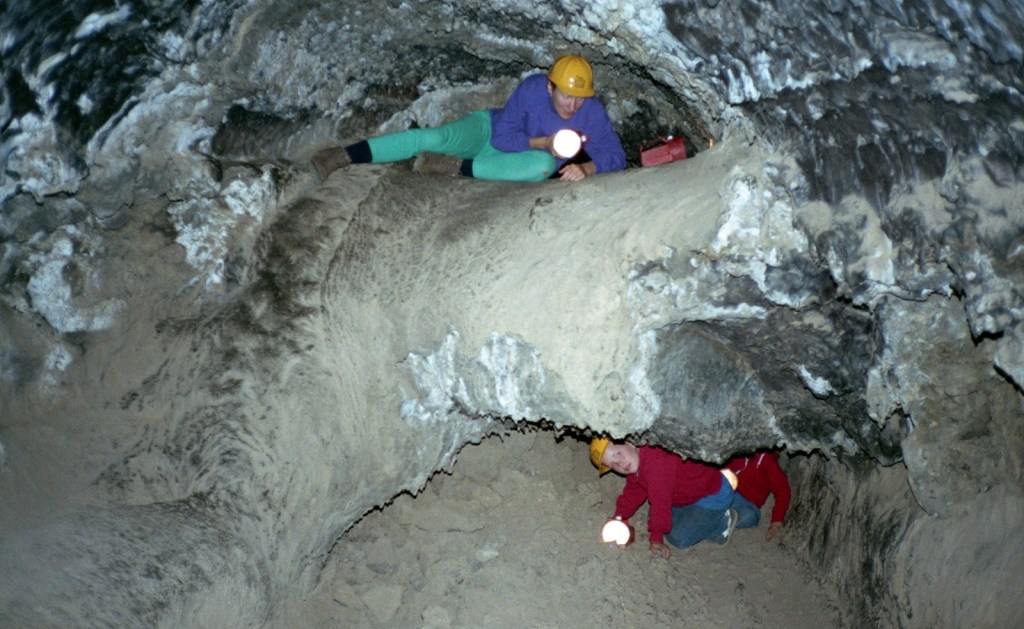
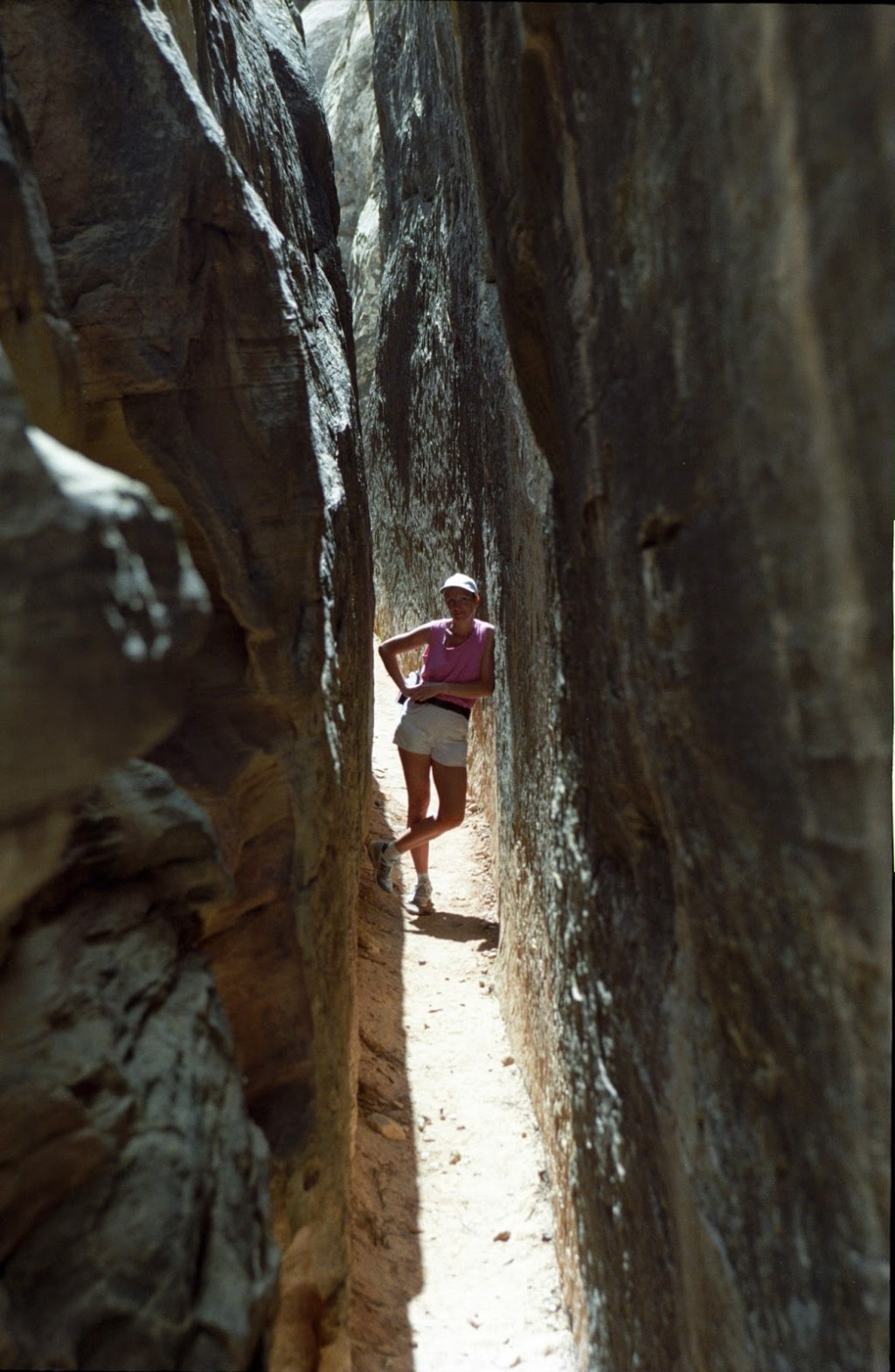
At times, one might even need to go between.
Some must be climbed up …
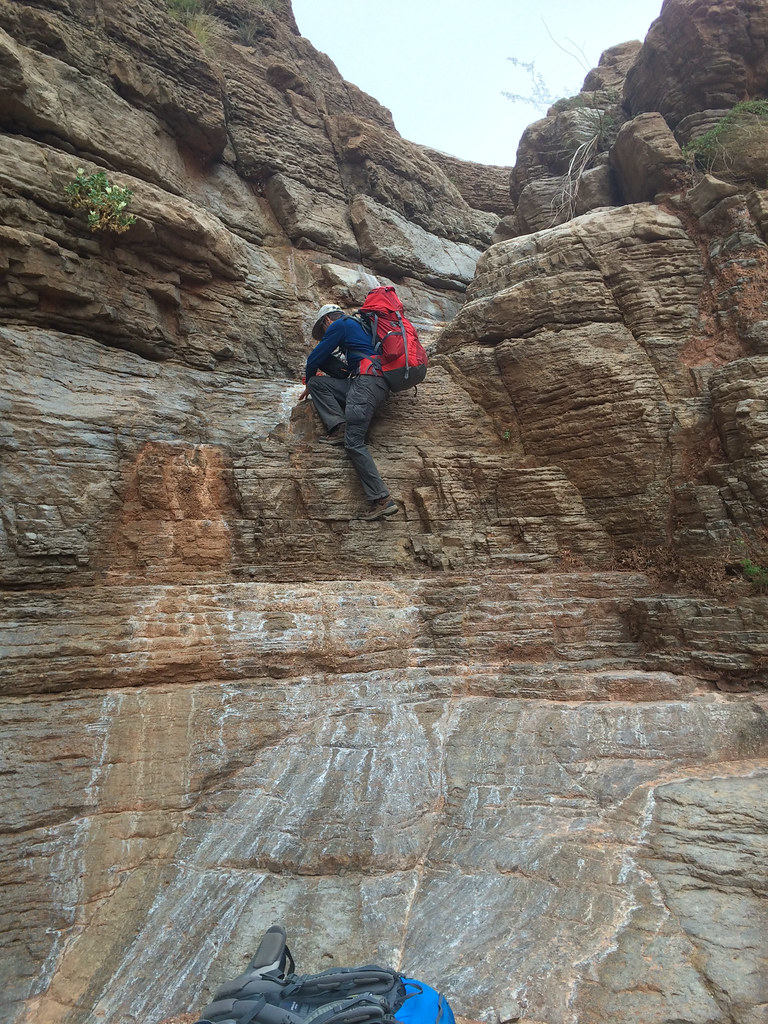
… with some being more challenging than others.
If bars are provided, it can be a good idea to hold on to them.
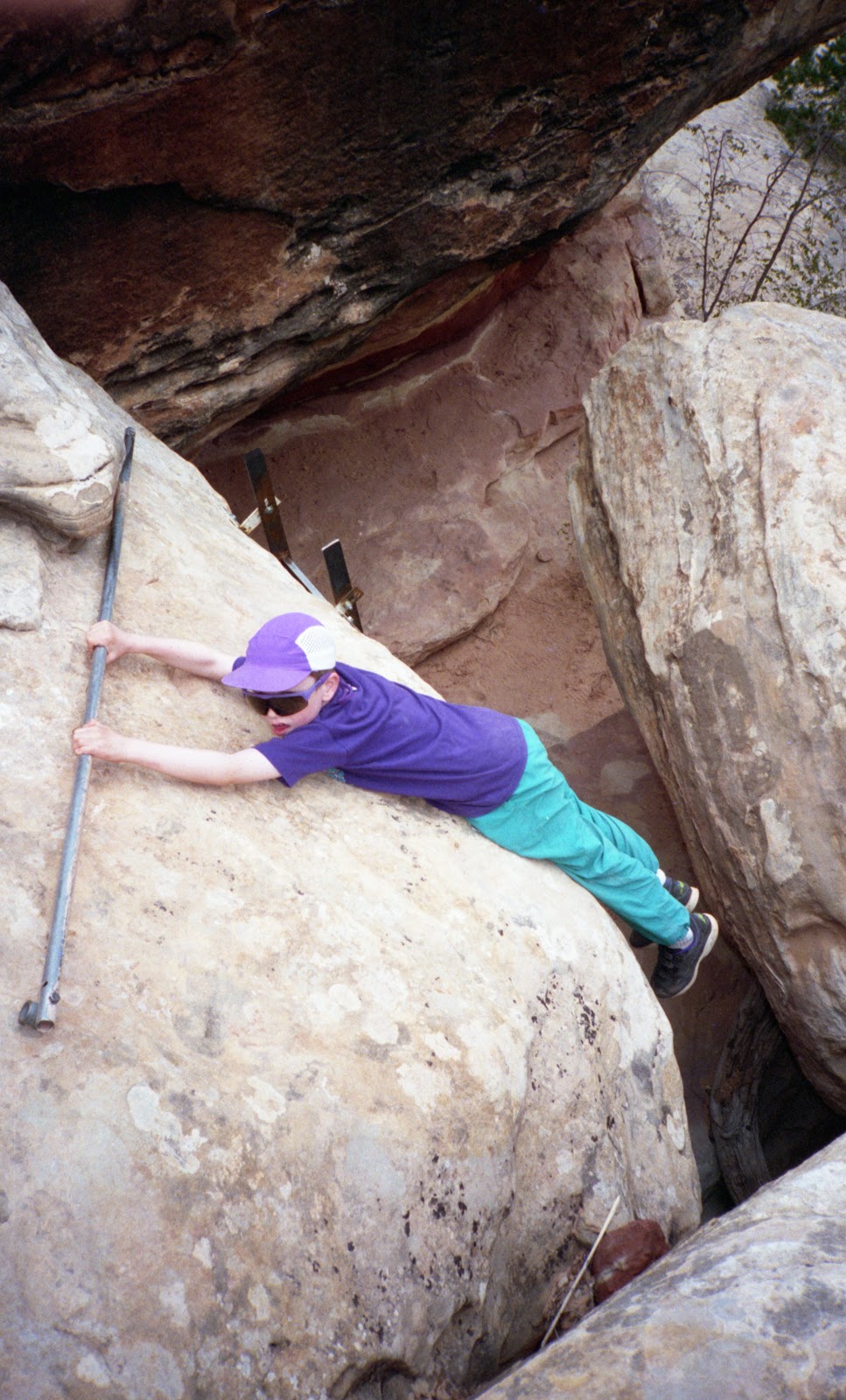
Rocks can impede forward progress …
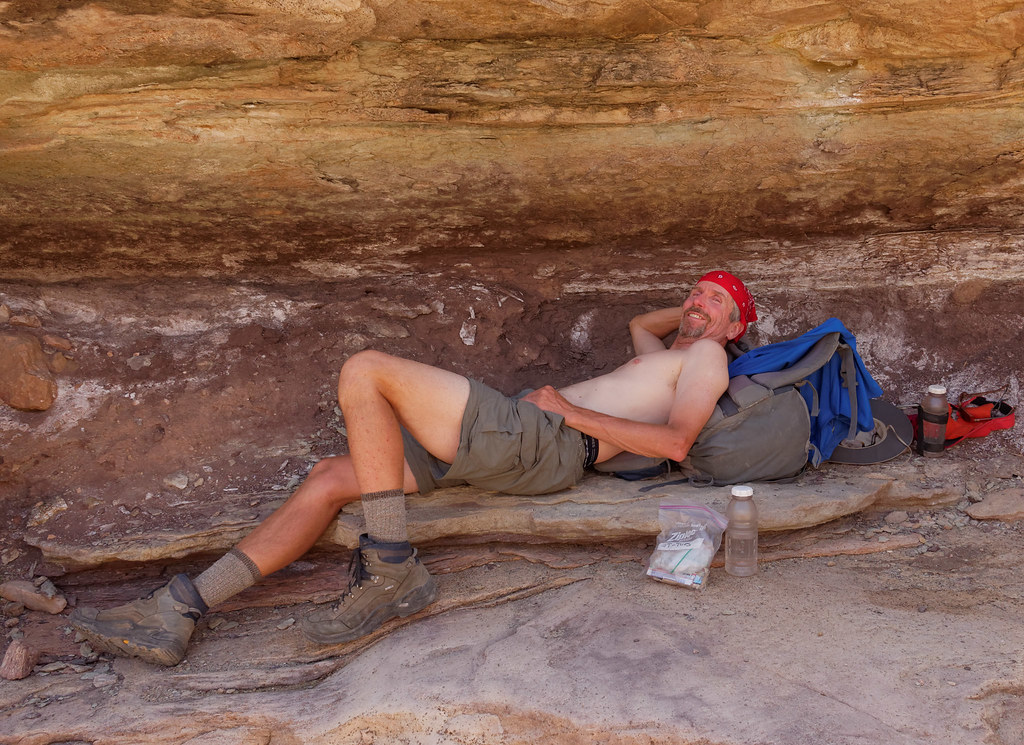
… as well as stop it altogether.
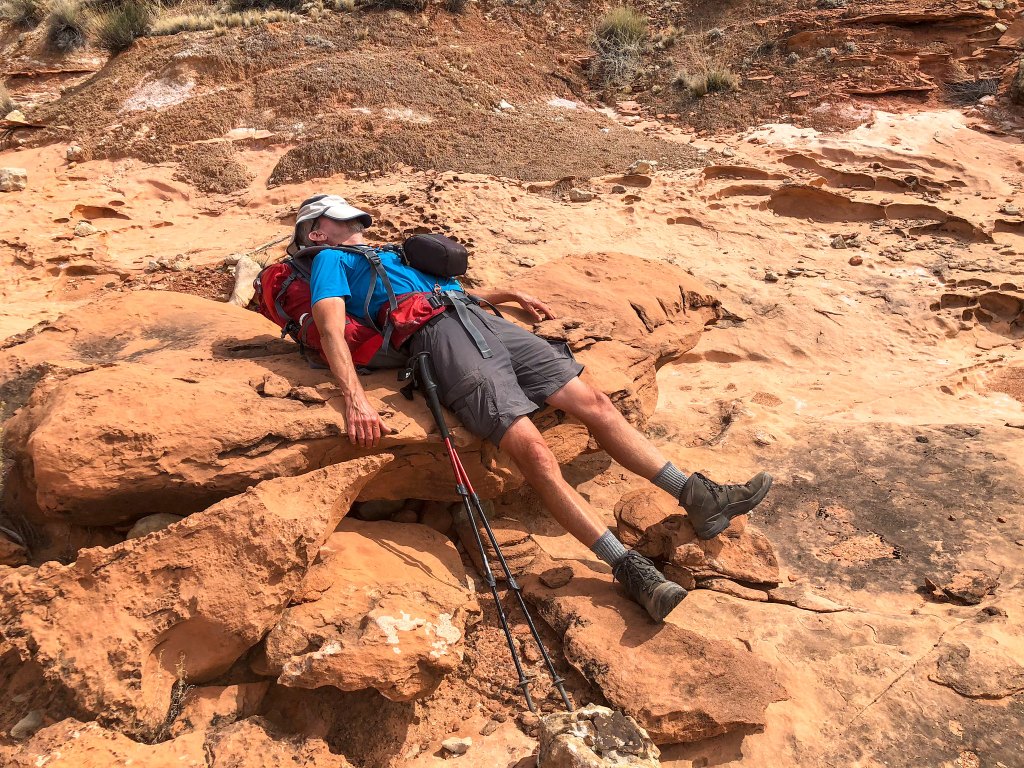
Sometimes rocks must be down climbed, …
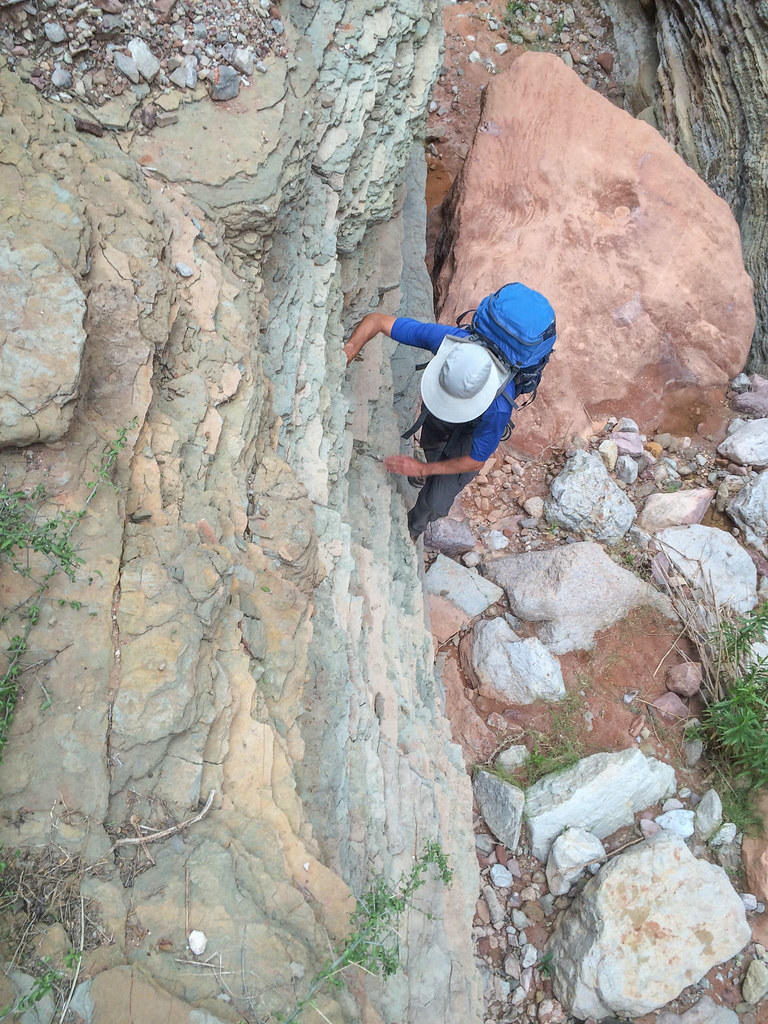
… or scooted down.
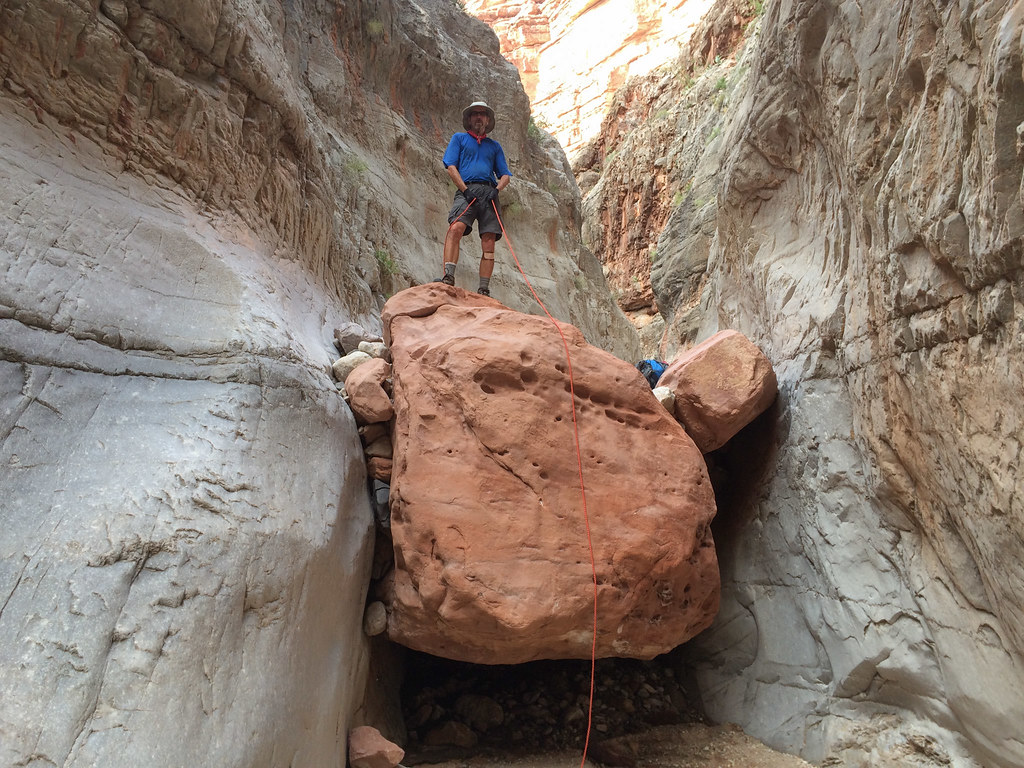
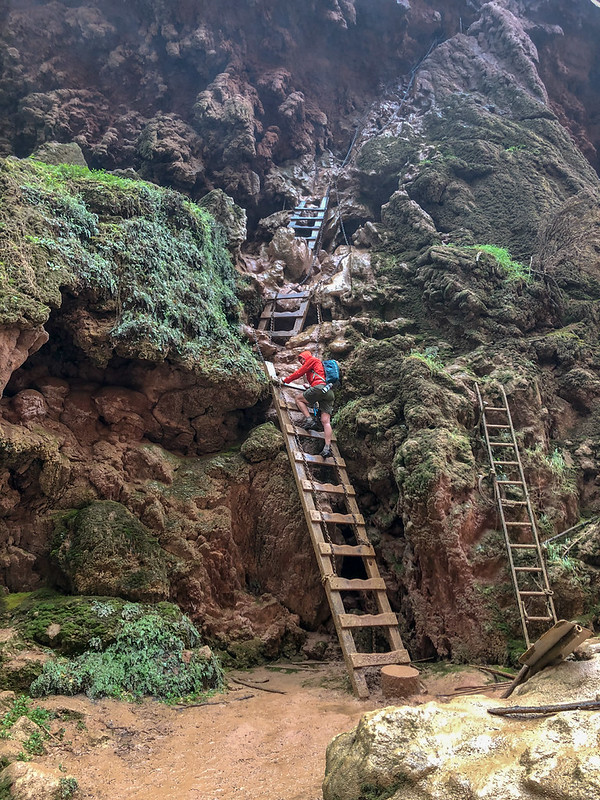
Some rocks require a ladder …
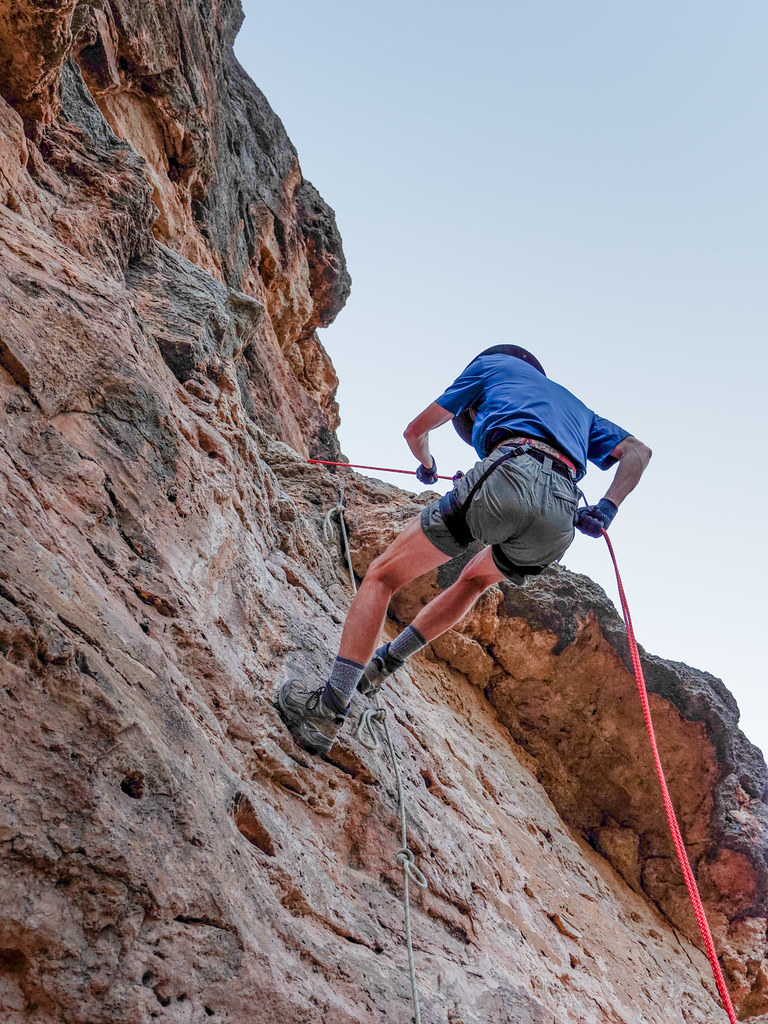
… and some need to be rappelled down.
And then, there can be snow. When not too deep and well consolidated, it can be a fine surface to hike on.
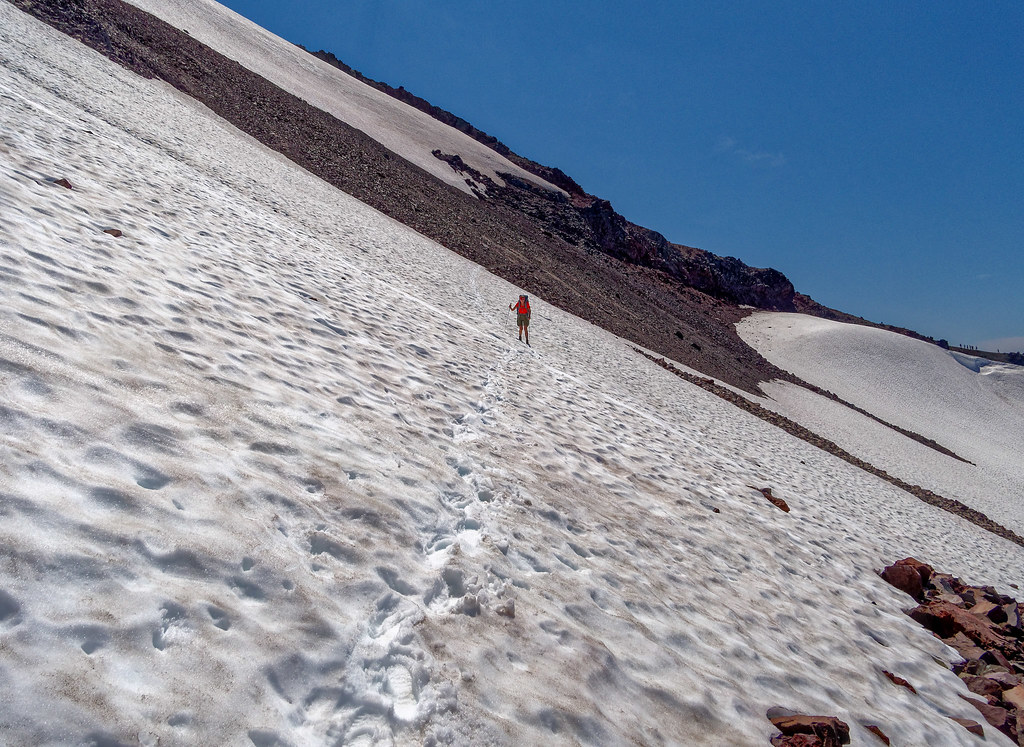
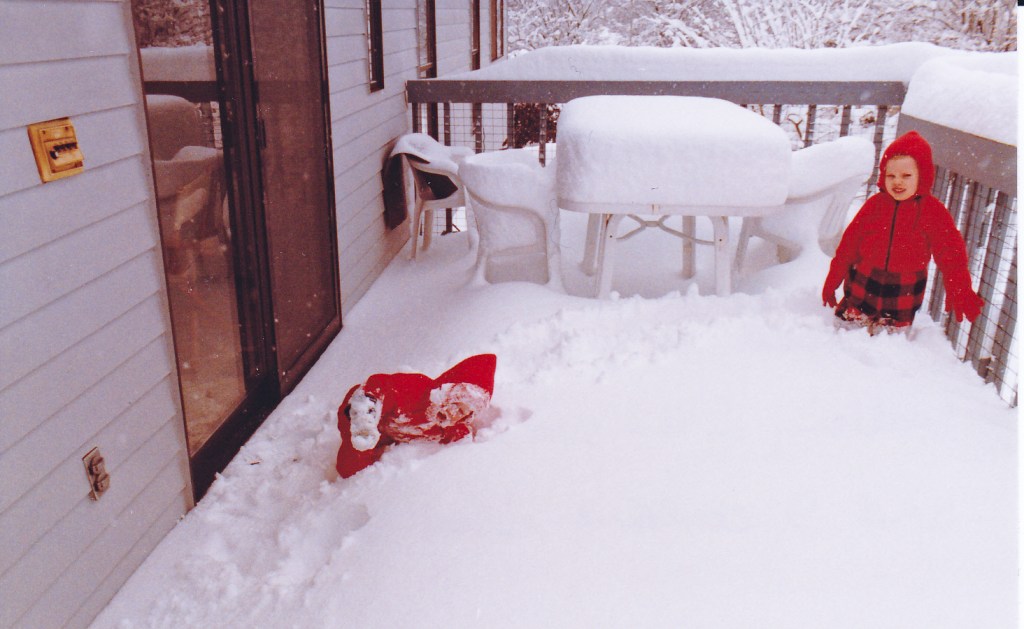
Deep pristine snow can be heavenly providing one has snowshoes …
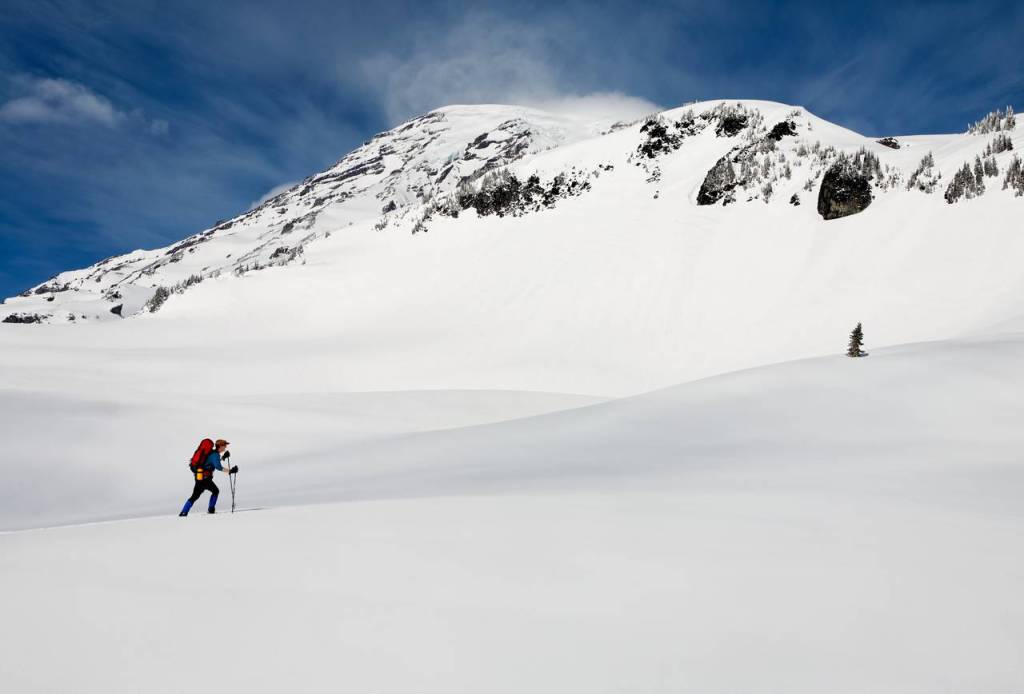
… but without them it can be a bit of a challenge.
Trails can also present a wide variety of other obstacles that need to be negotiated. Steep terrain is one.
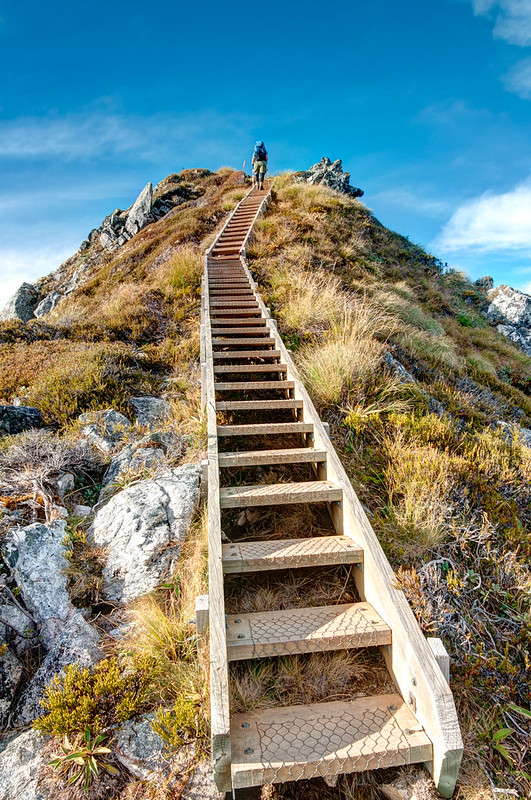
Some trails have stairs. They might be constructed from wood, …
… or rocks.
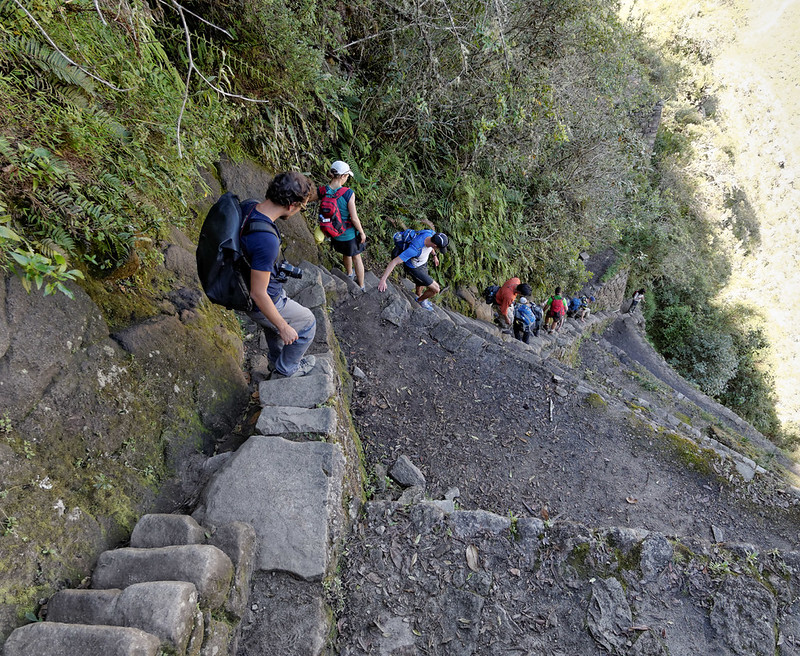
They might be carved out of rock …
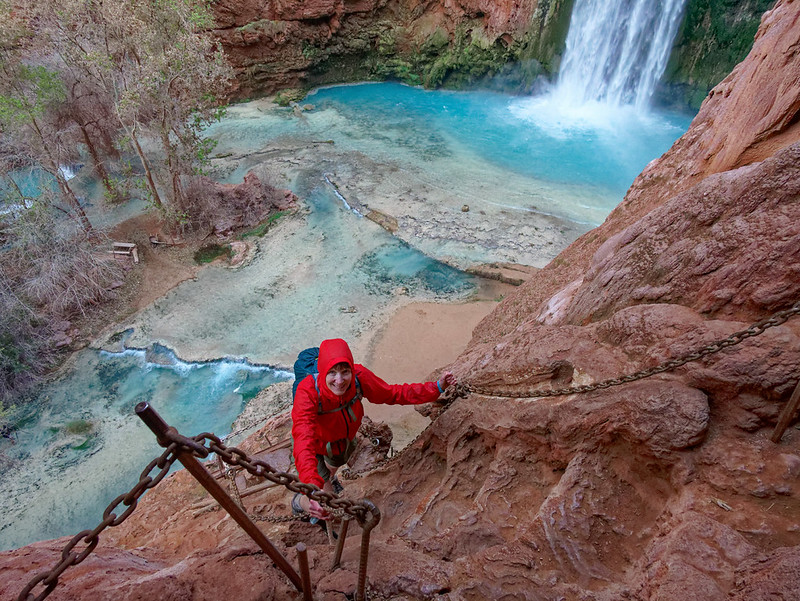
… or even mud.
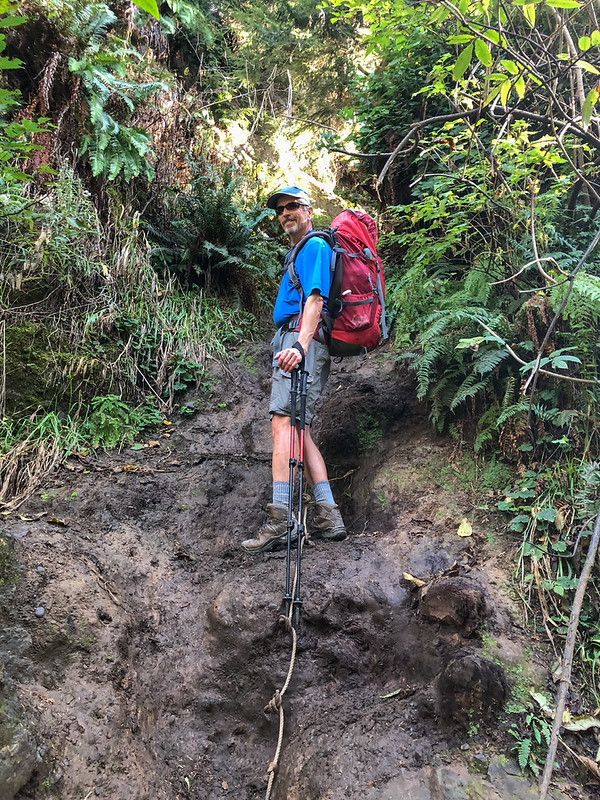
Other stairs are provided by nature.
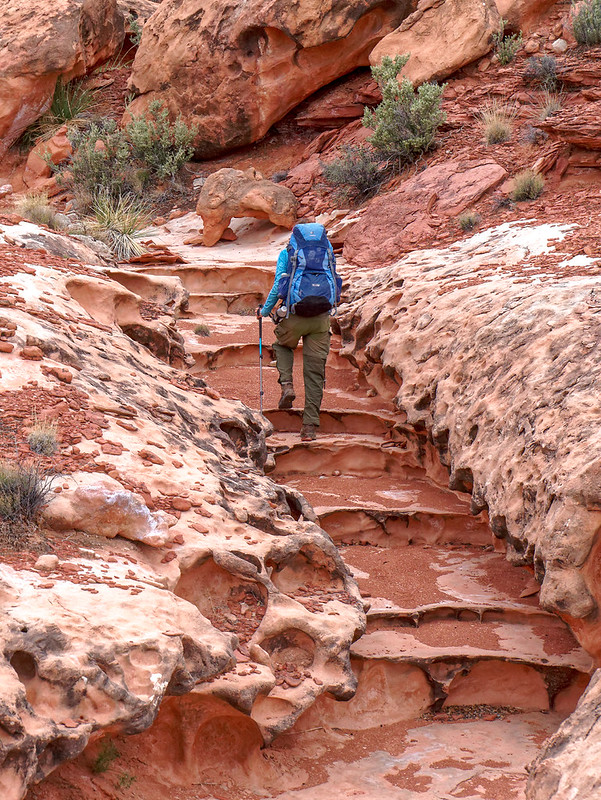
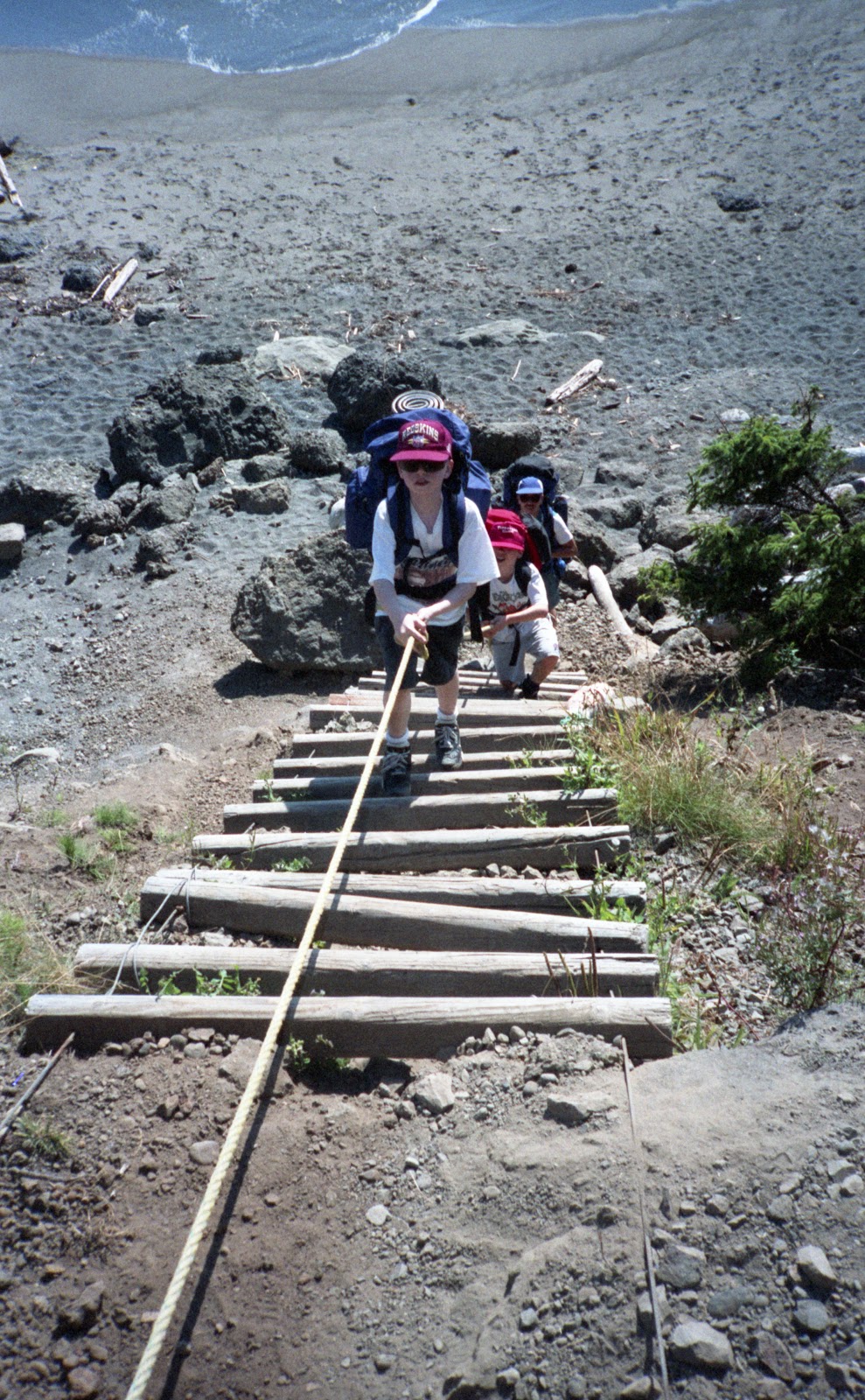
In the absence of stairs, a rope can be useful.
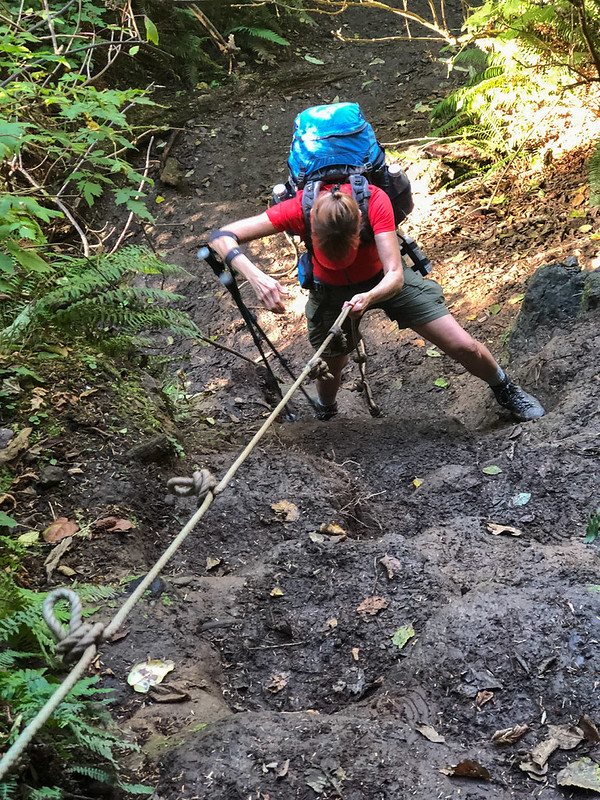
The terrain can be so steep that one needs both a rope and a ladder..
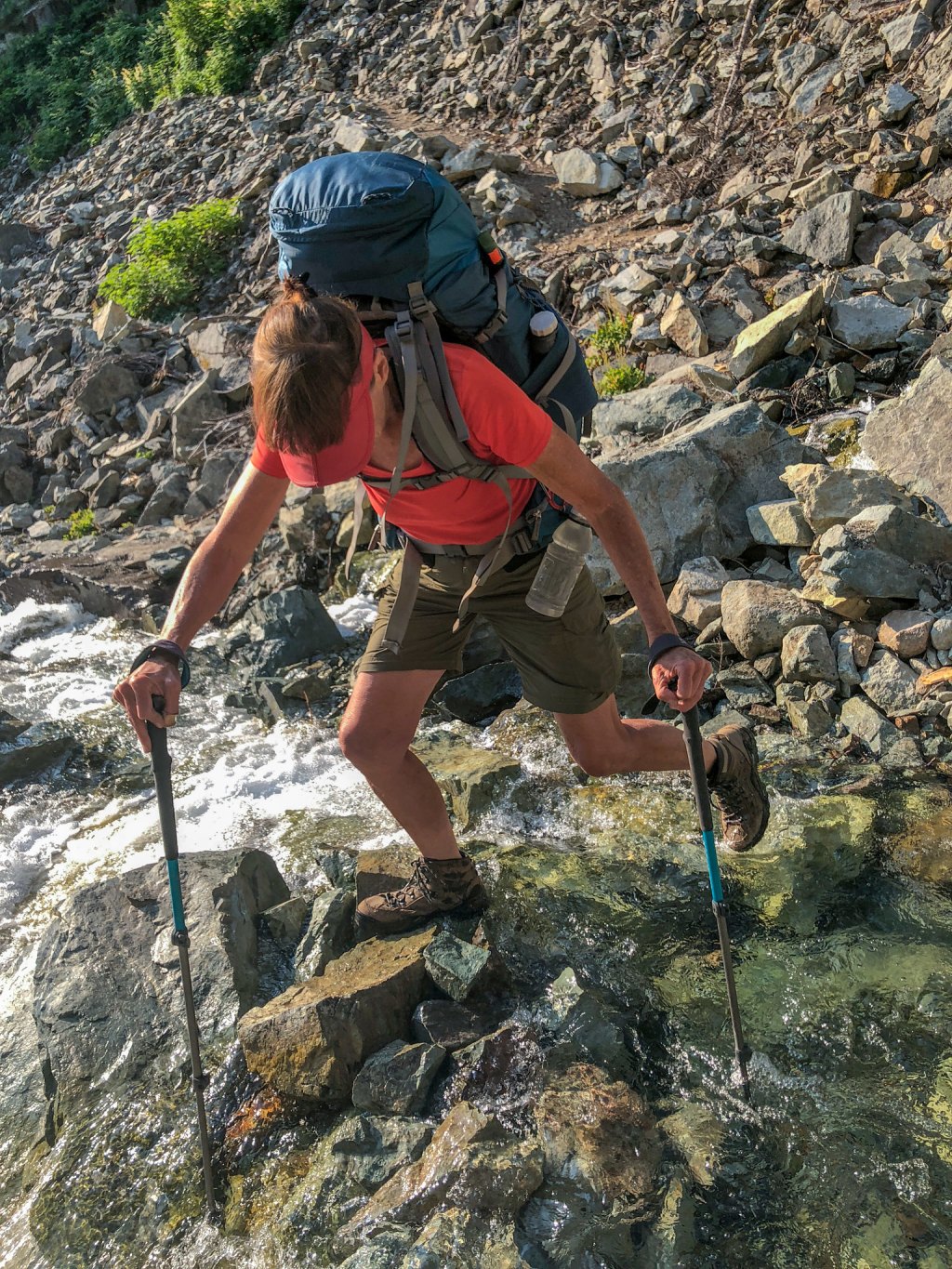
Another potential obstacle is water. When rocks are present, it may be possible to rock hop across and maintain dry feet.
In other instances, small trees …
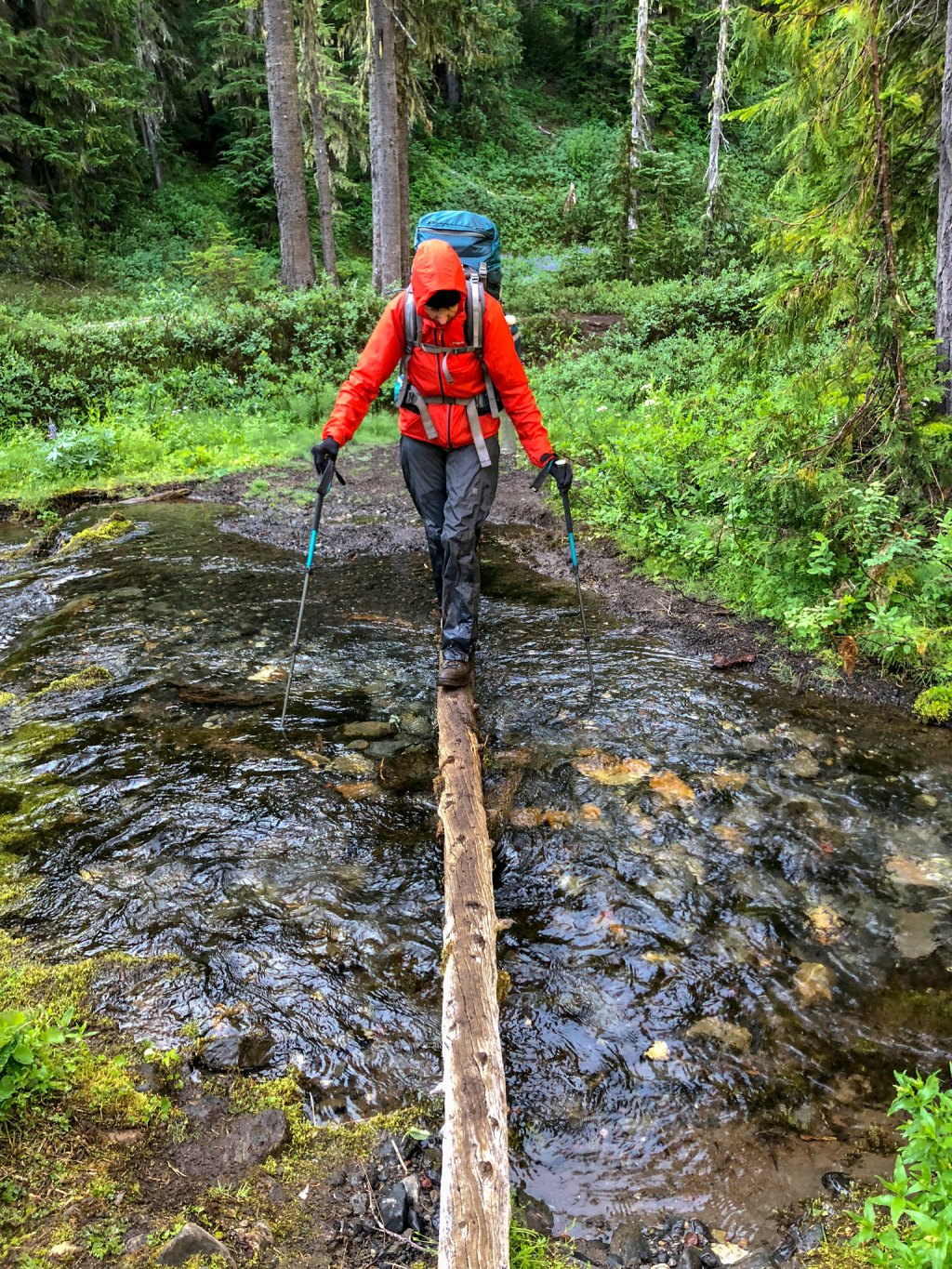
… and logs can be helpful.
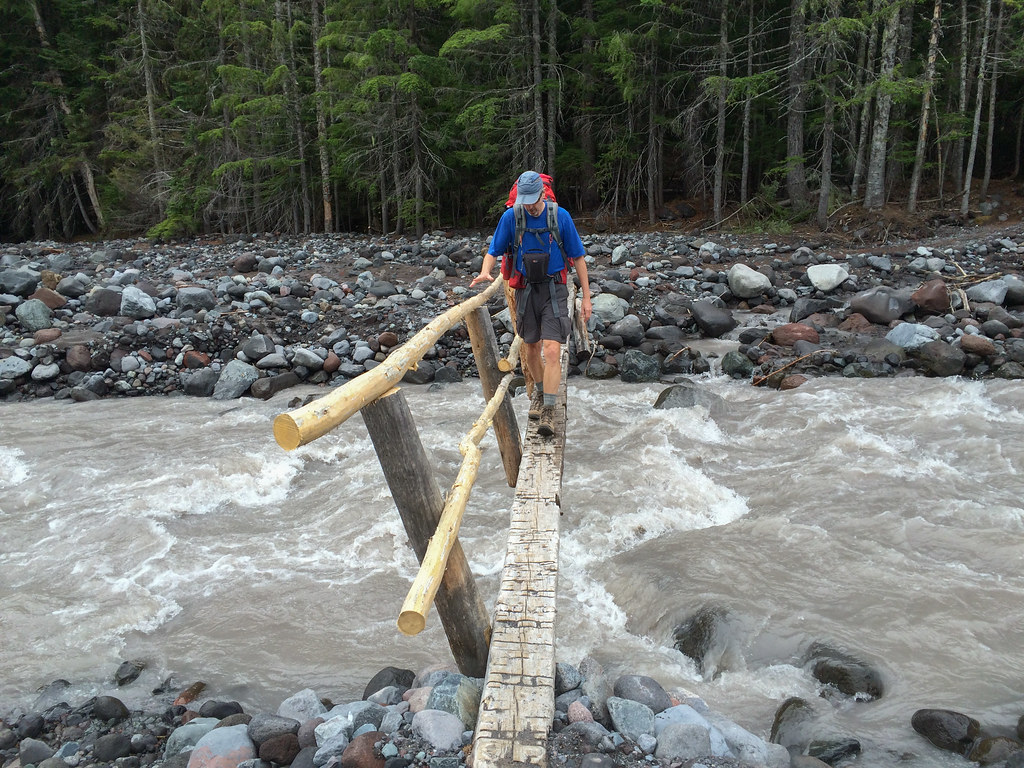
With deeper water, bridges are great …
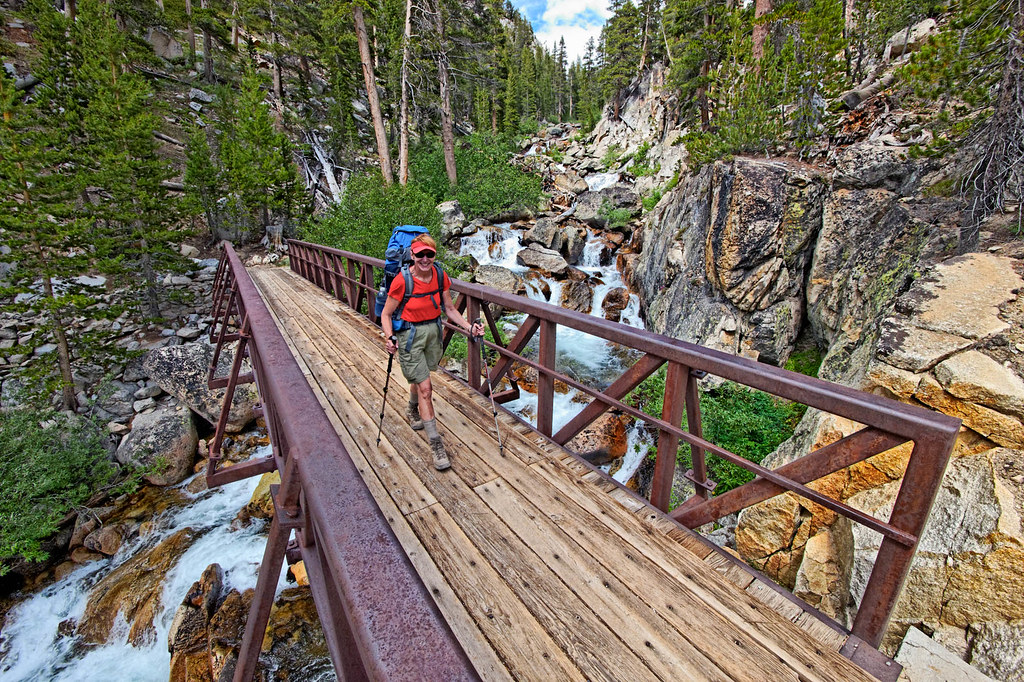
… provided they are in good repair …
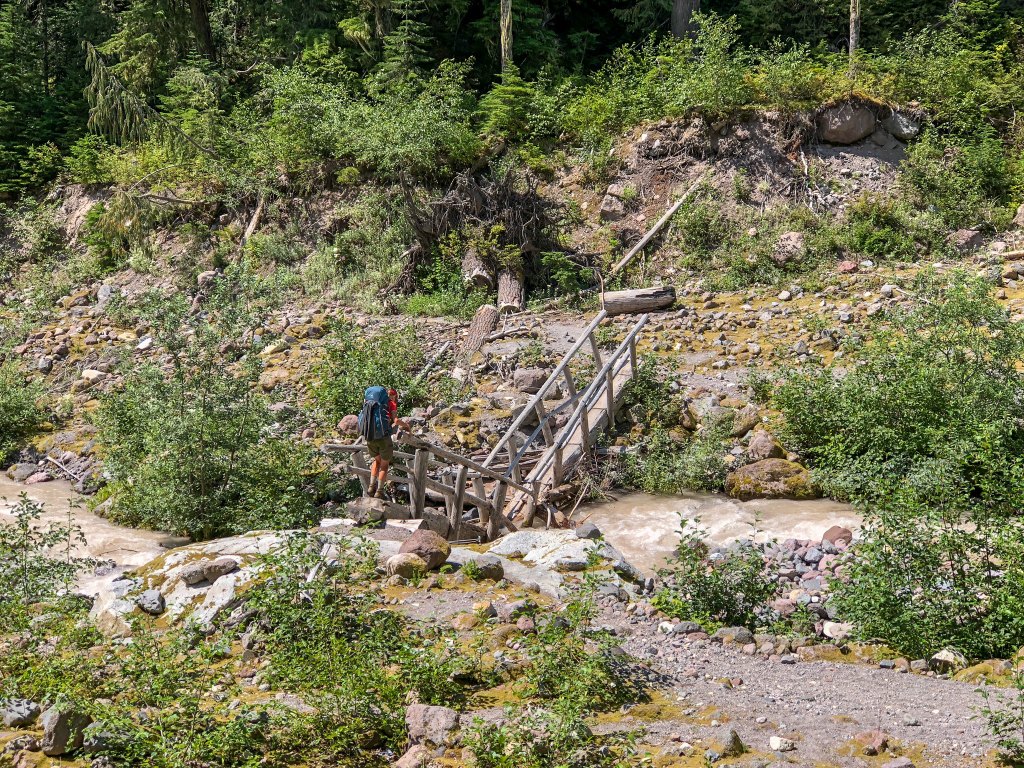
… or they have not yet been rolled up for the season.
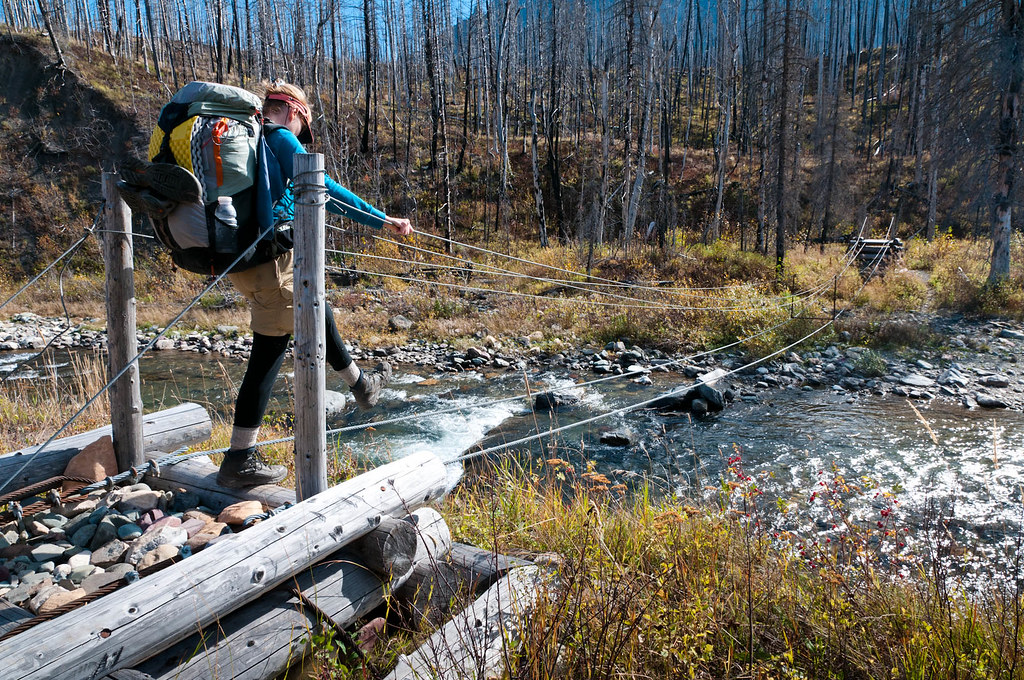
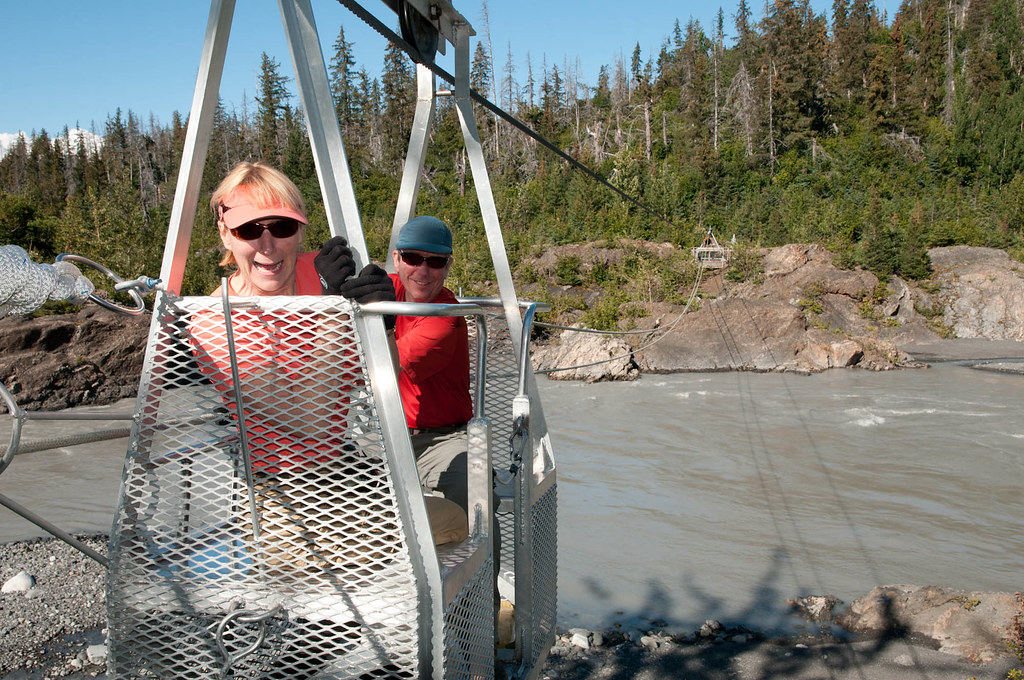
In the absence of a bridge, a tram is helpful.
Oftentimes in shallower water no provisions are made to assist hikers.
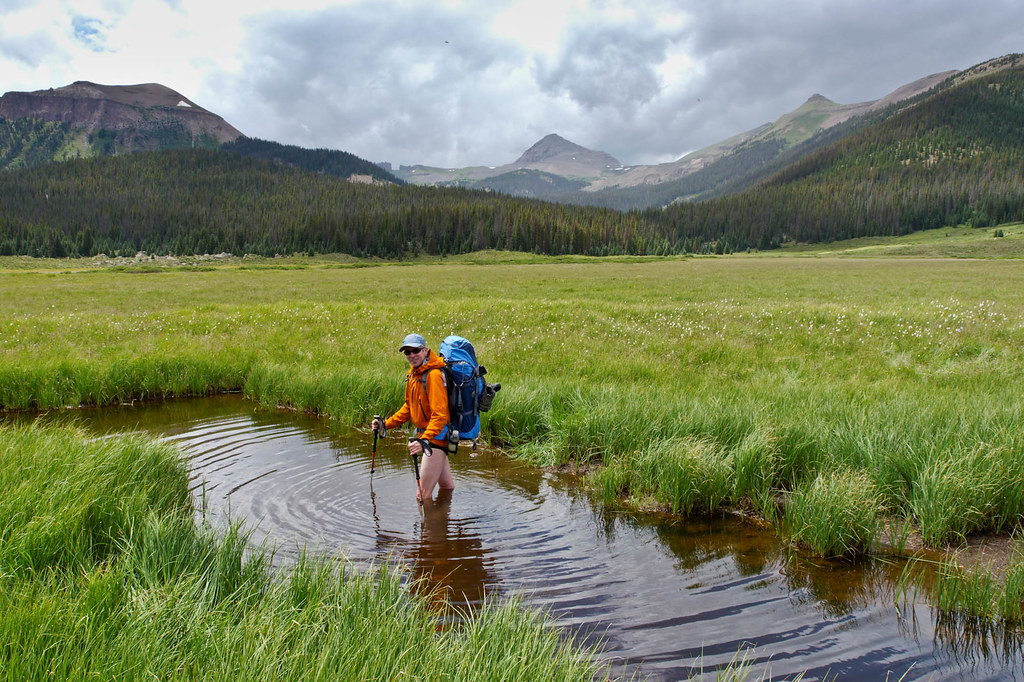
Stream and river crossings can be quite hazardous depending on the depth, strength of the current, temperature and clarity of the water.
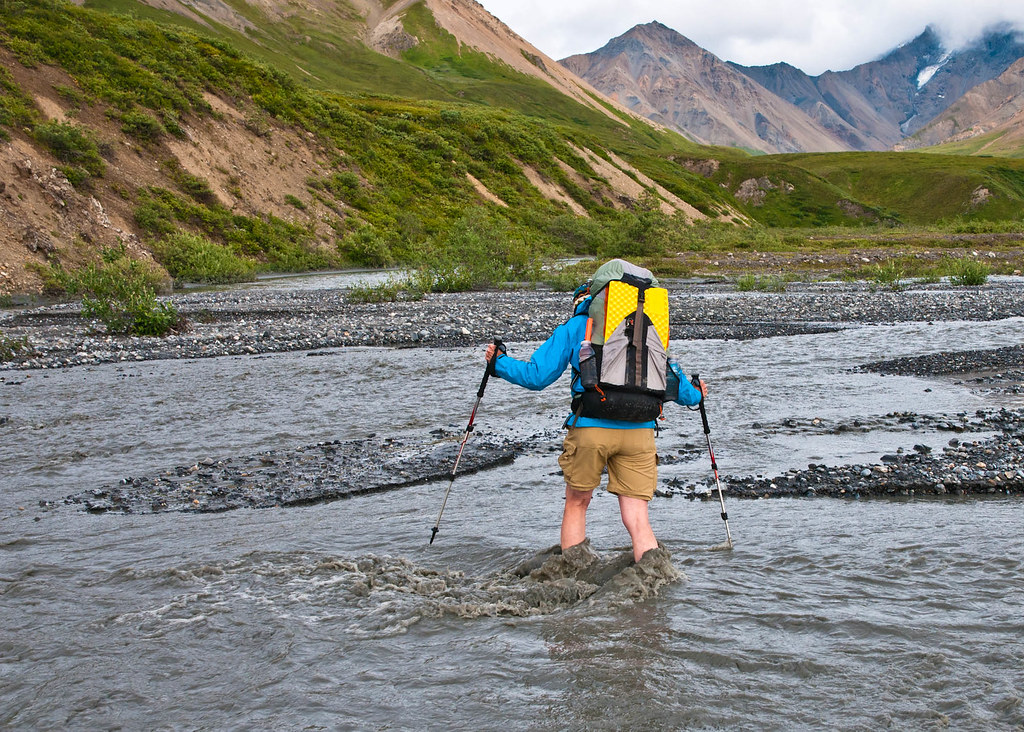
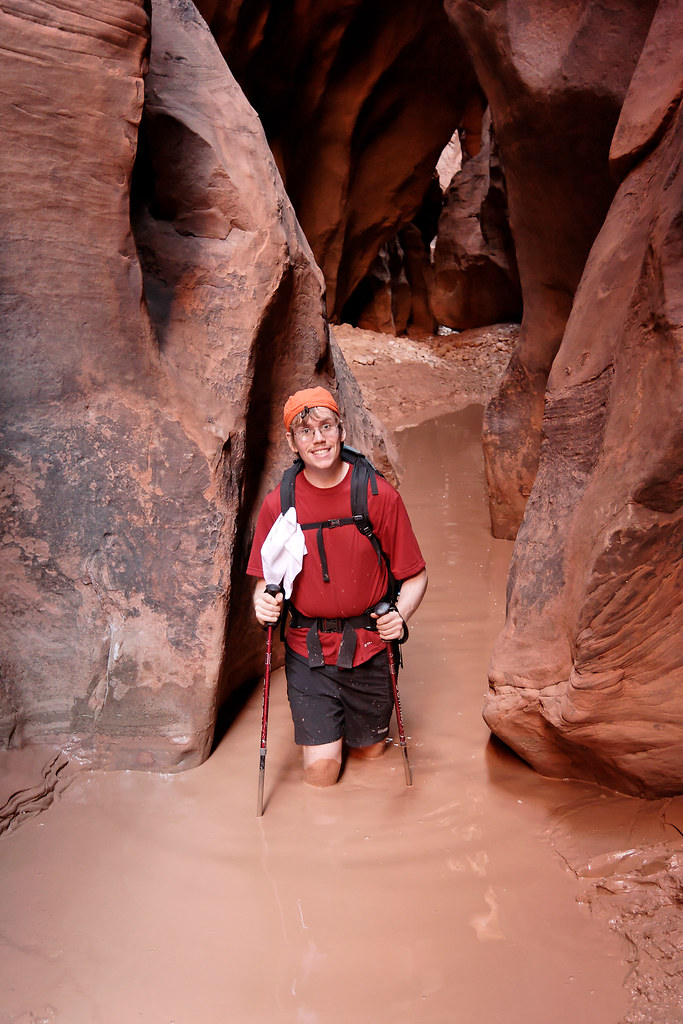
Other times, they are merely something that one must get through. A good attitude can help.
Vegetation is generally not a problem on trails that are well maintained or frequently used.
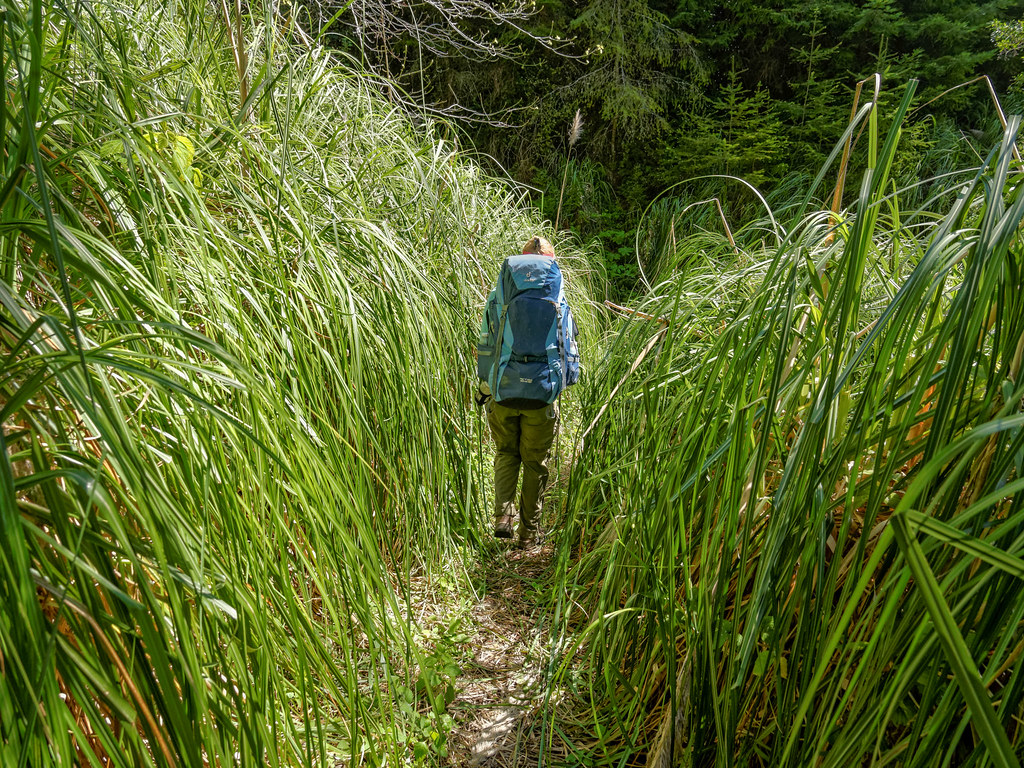
Some overgrown vegetation is easy to push through.
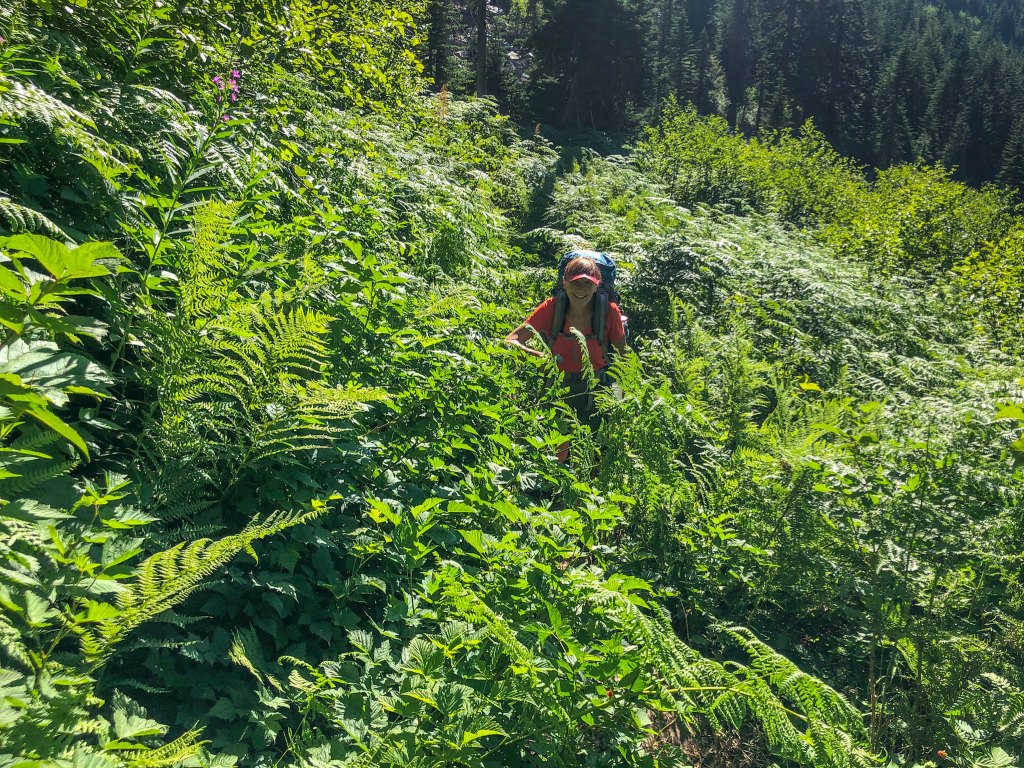
However, it can be a different story when trails aren’t maintained …
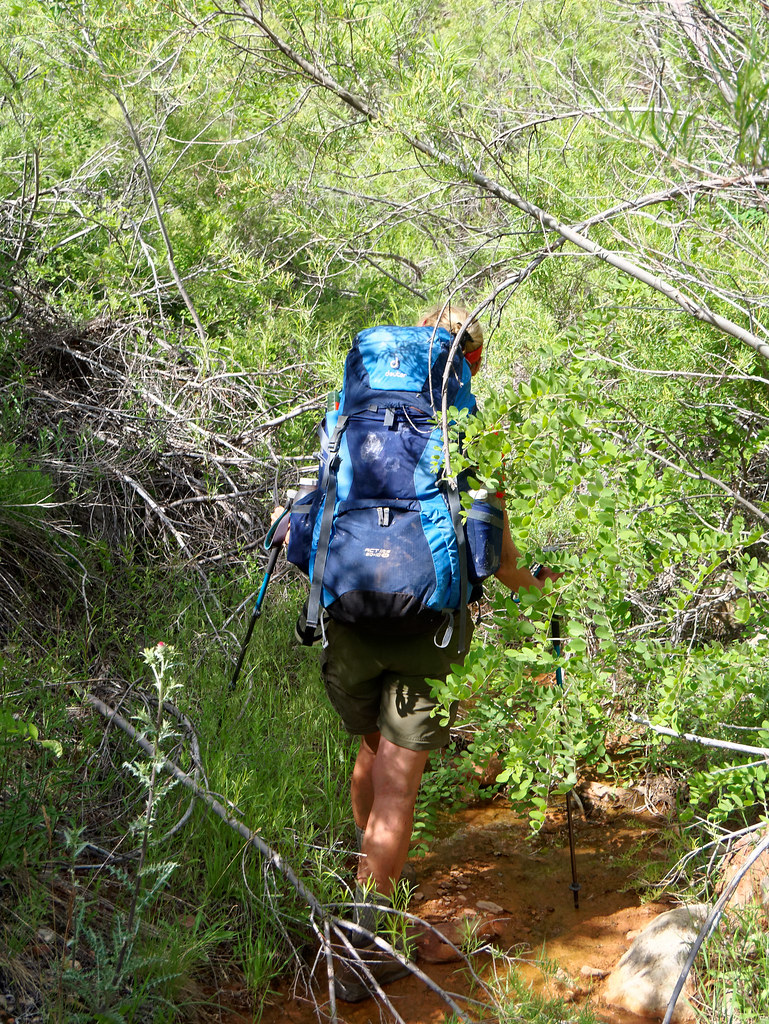
… and it can be less than pleasant if thorns are present.
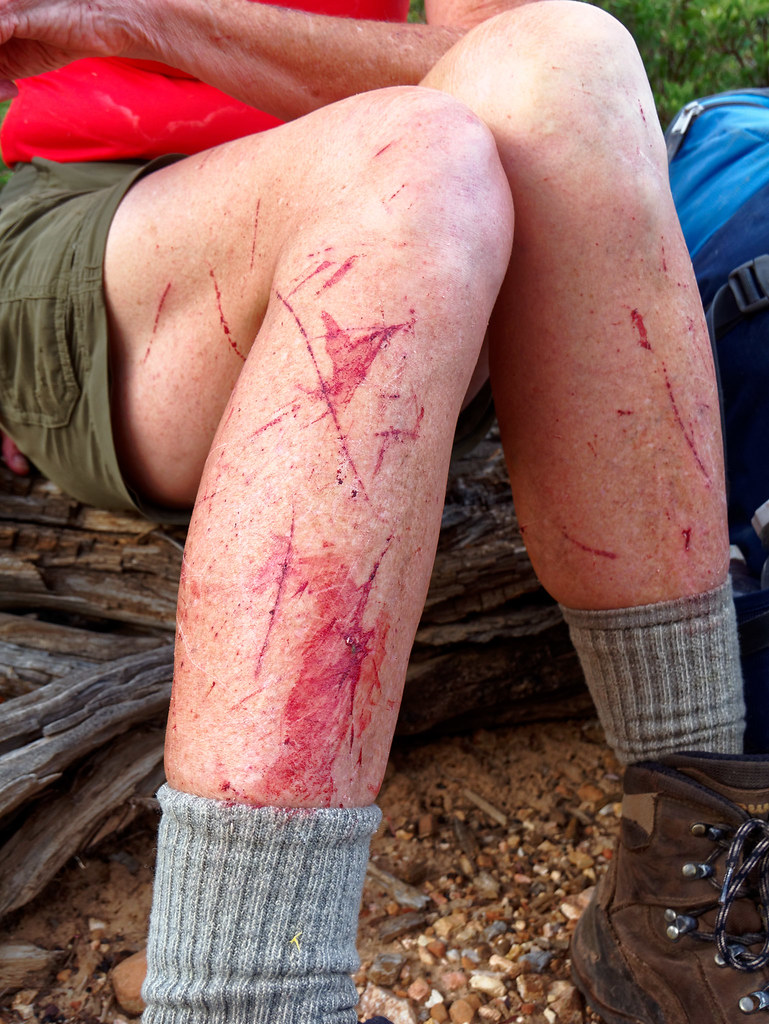
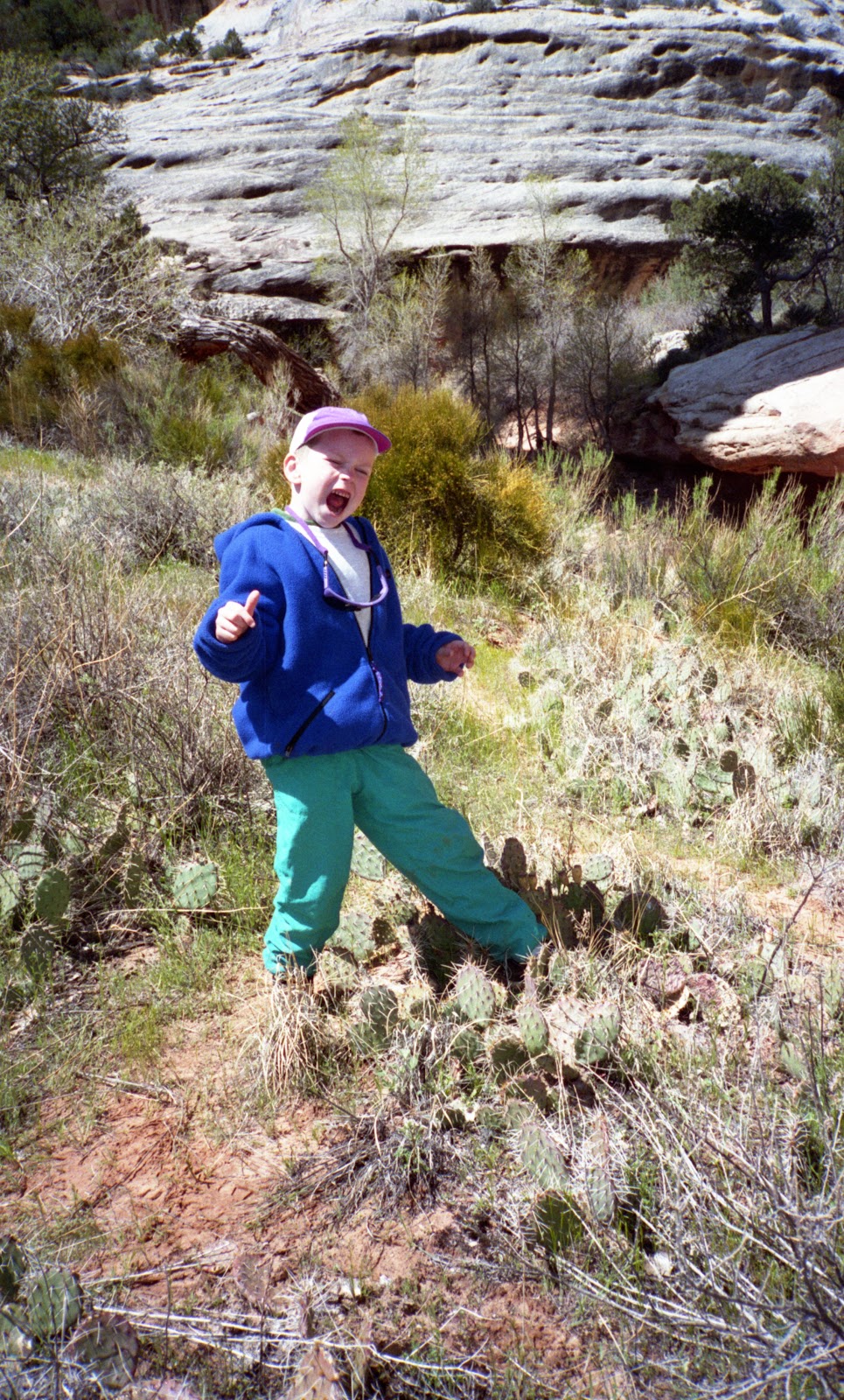
Cacti can be a menace in the southwestern U.S.
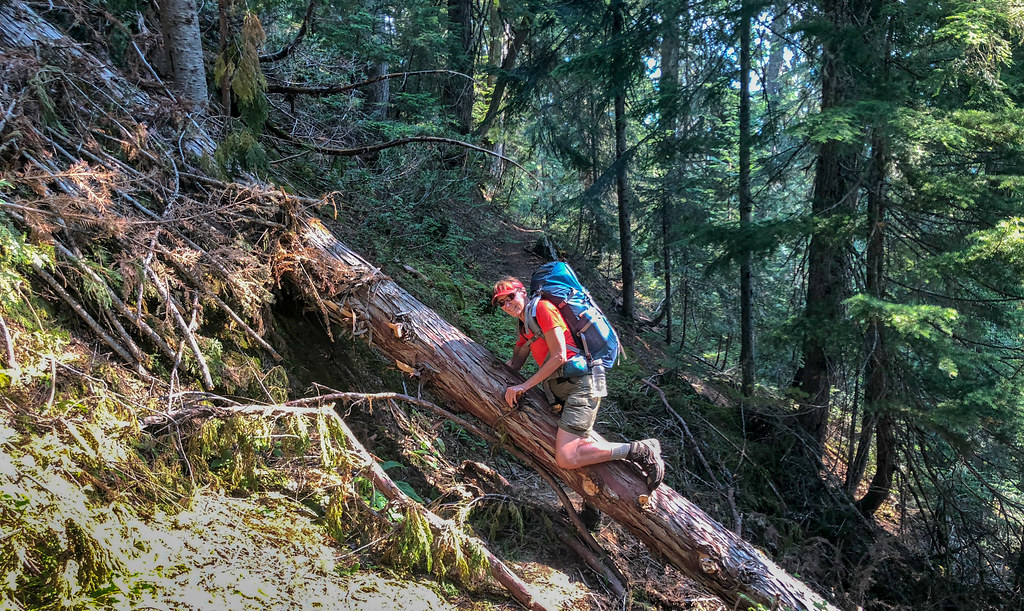
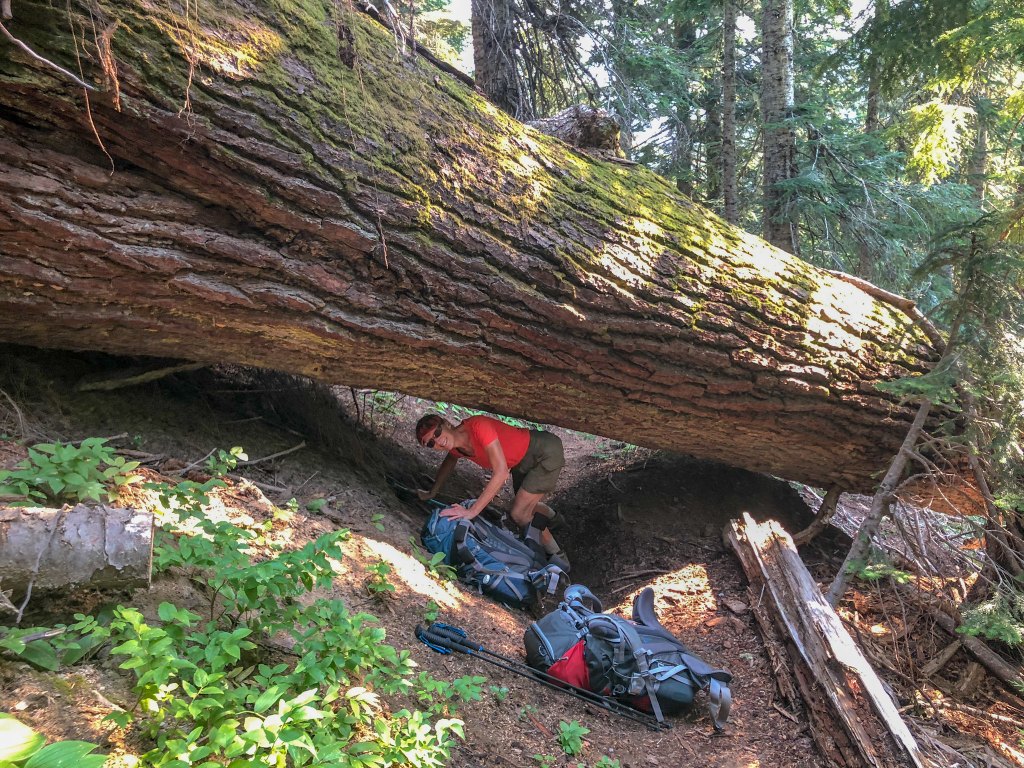
When encountering downed trees across trails one must either go around, …
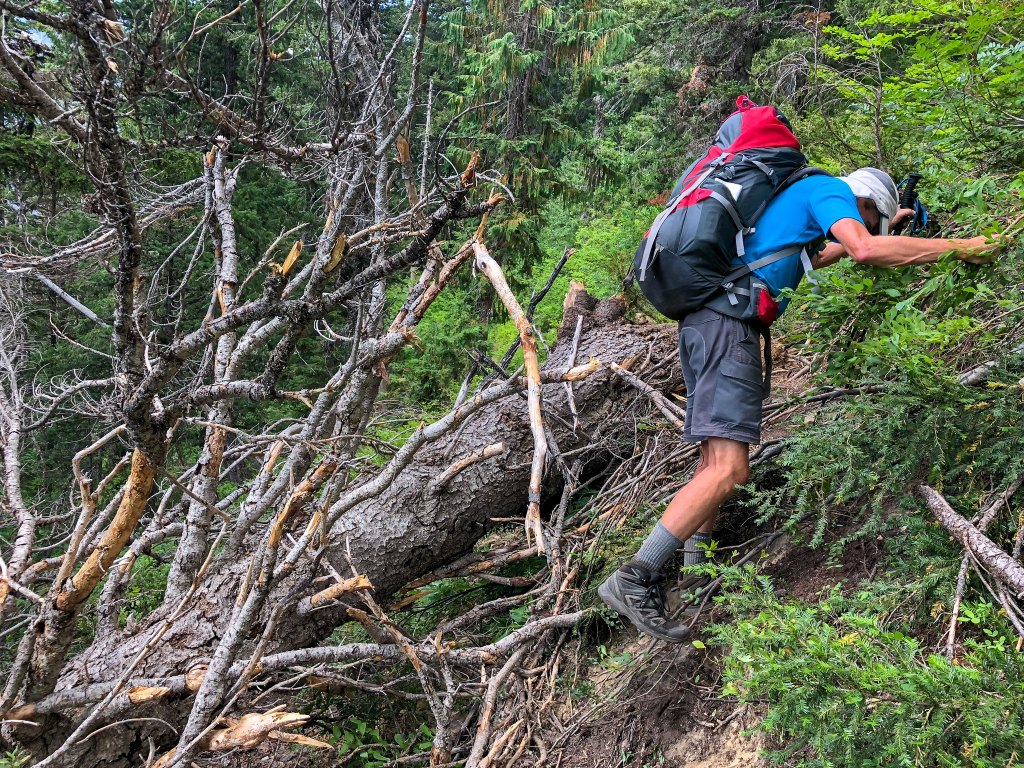
… over, …
… or under.
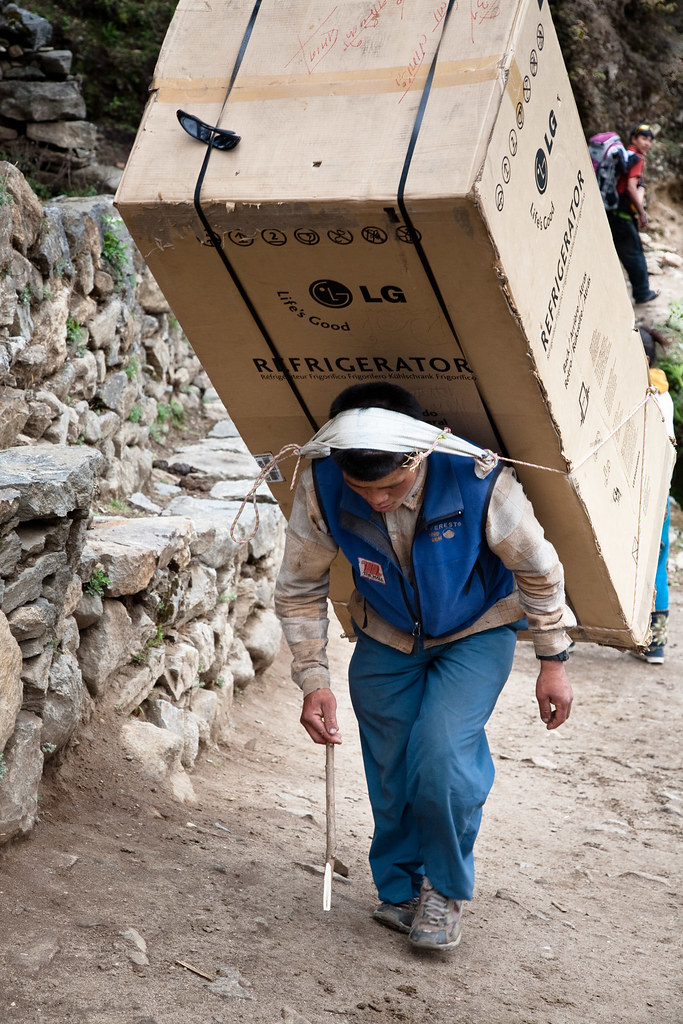
We try not to complain about the trail conditions we encounter. After all, we choose to be out there, and we hike for fun. However, on our international travels, we have seen porters who rely on trails to earn a living, carrying goods from one place to another. In Nepal, what seemed like a steep trail to us …
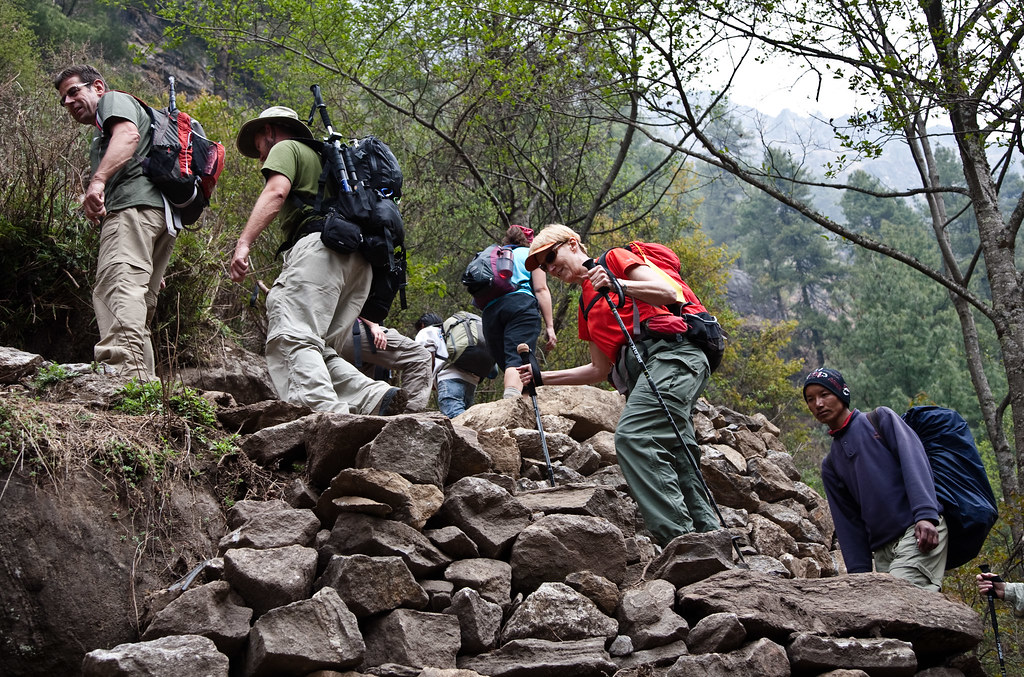
… was just another highway to them.
When it is all said and done, for us, every trail is a happy trail …
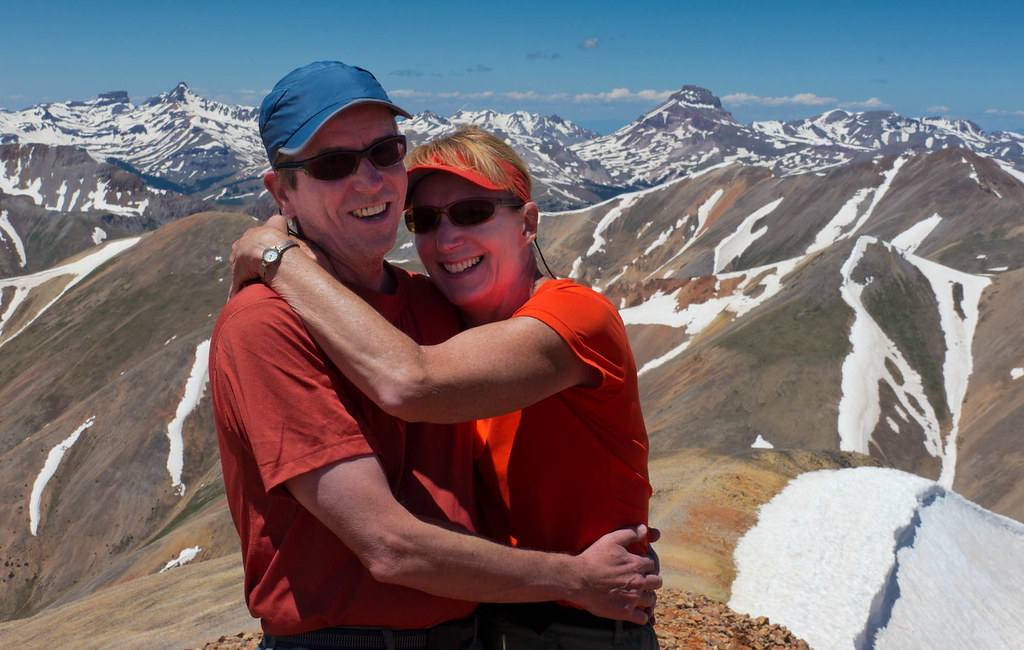
… especially when shared with those we love.


Leave a Reply