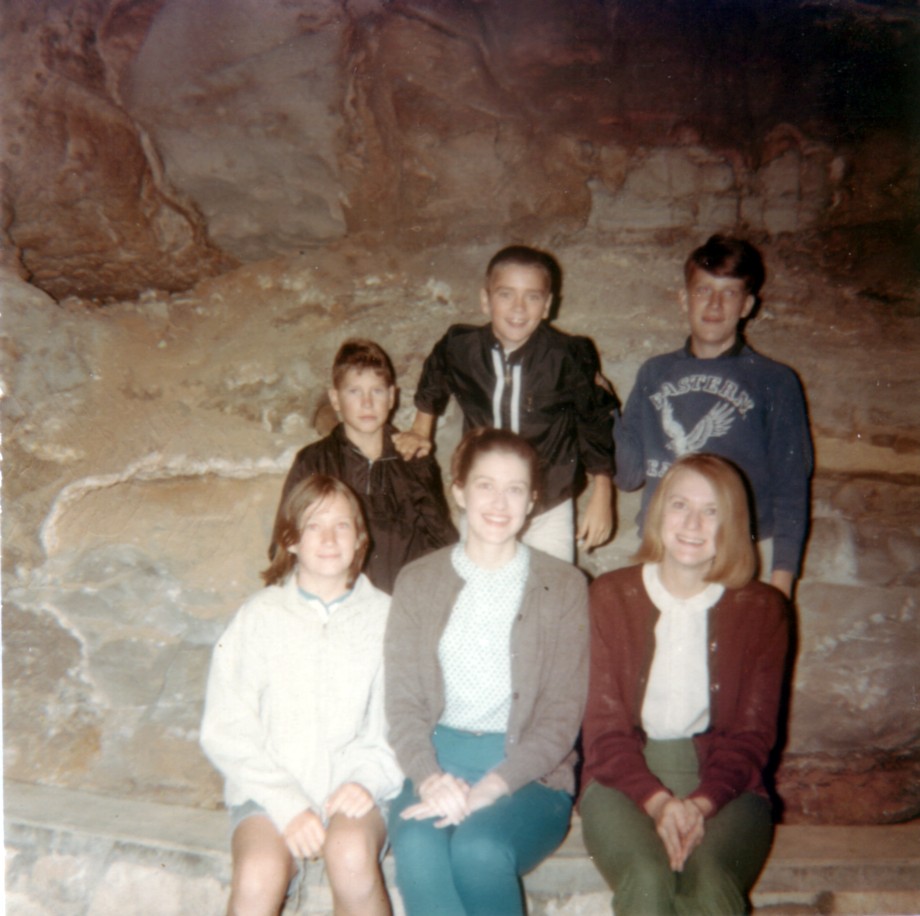
I have always loved the outdoors. As a kid I once got the opportunity to visit Mammoth Cave National Park, Kentucky’s one and only national park. While I thought it was neat, I longed to see places like Yellowstone and the Grand Canyon. In 1976 I got to visit Great Smoky Mountains National Park. That is where I learned my favorite way to spend time in a national park was by backpacking.
In September 1977, John and I left Kentucky to relocate in Washington State (the best decision I have ever made). We took over a month to travel west and to my delight one of the places we visited was Yellowstone.
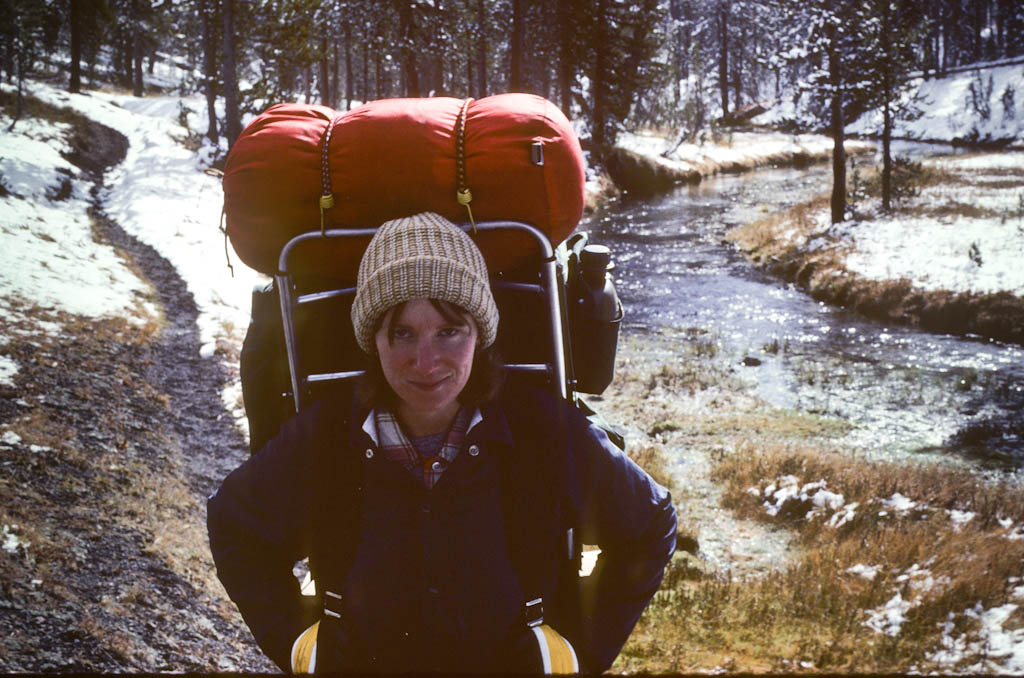
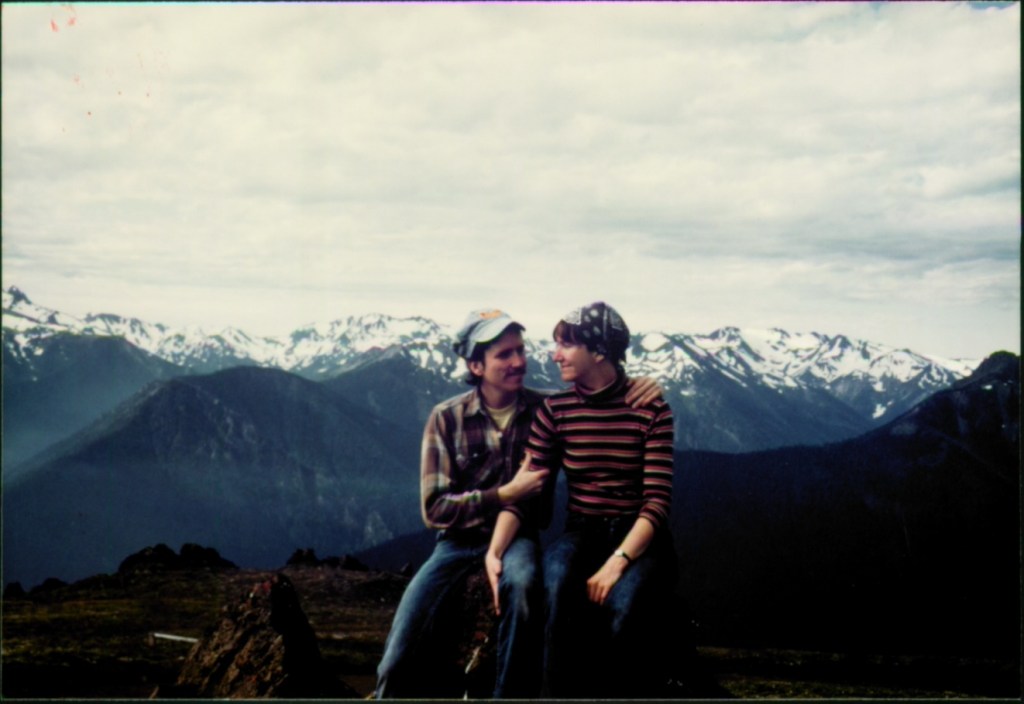
This experience began my love affair with our national parks. Soon after settling in the Seattle area, we visited Olympic National Park in Washington.
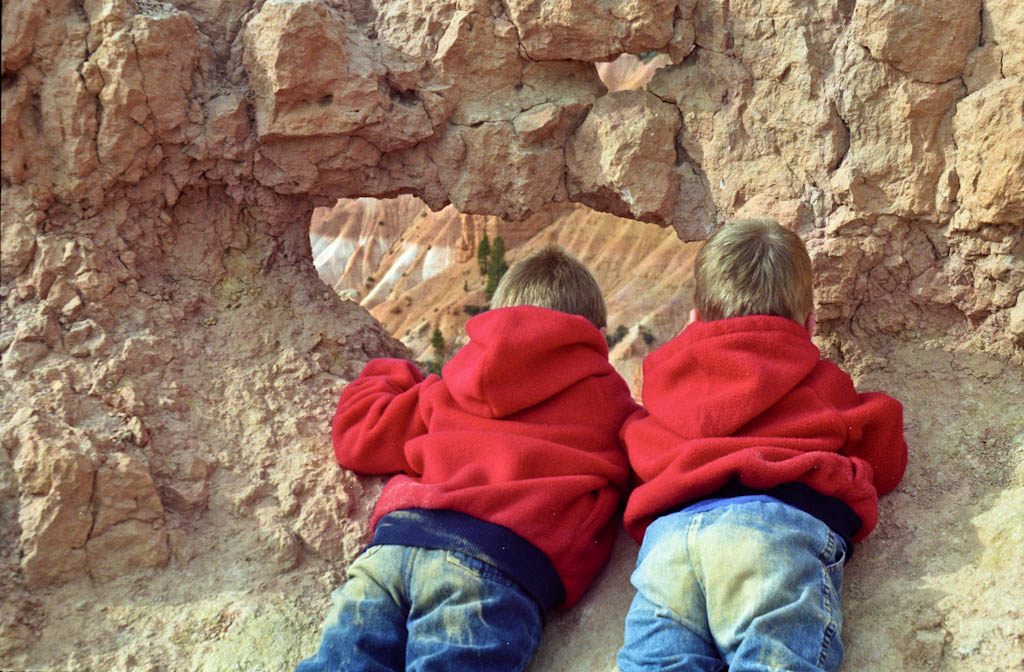
After our two sons were born, we introduced them to our favorite places. The first was Mount Rainier National Park.
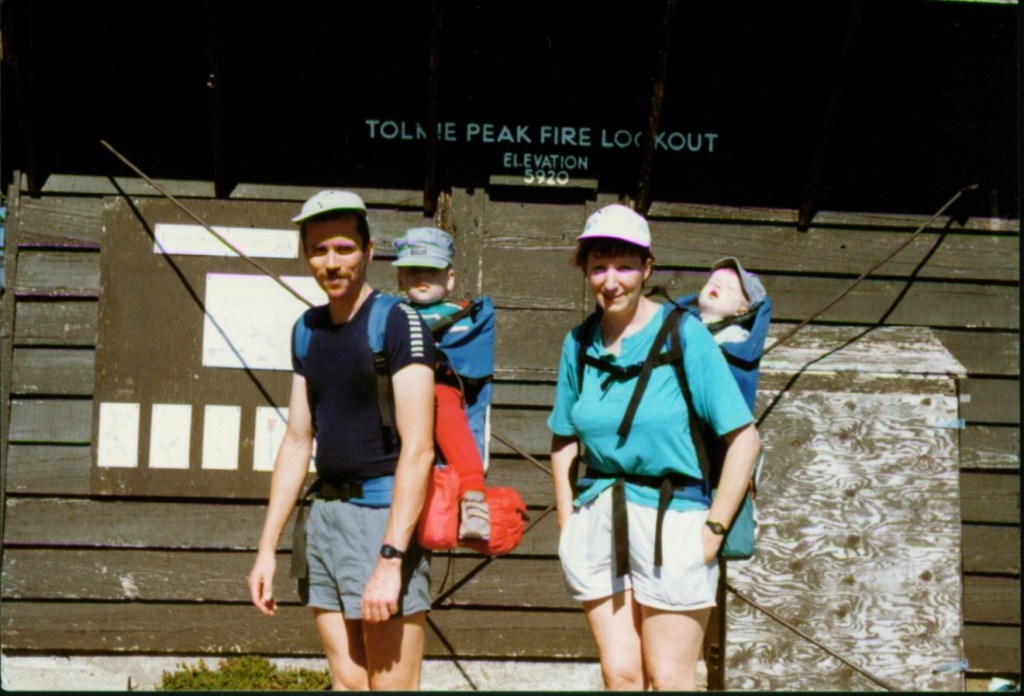
We hoped to instill a love of the outdoors in our boys. We began spending many of our vacations exploring national parks in the southwest US including Bryce Canyon ….
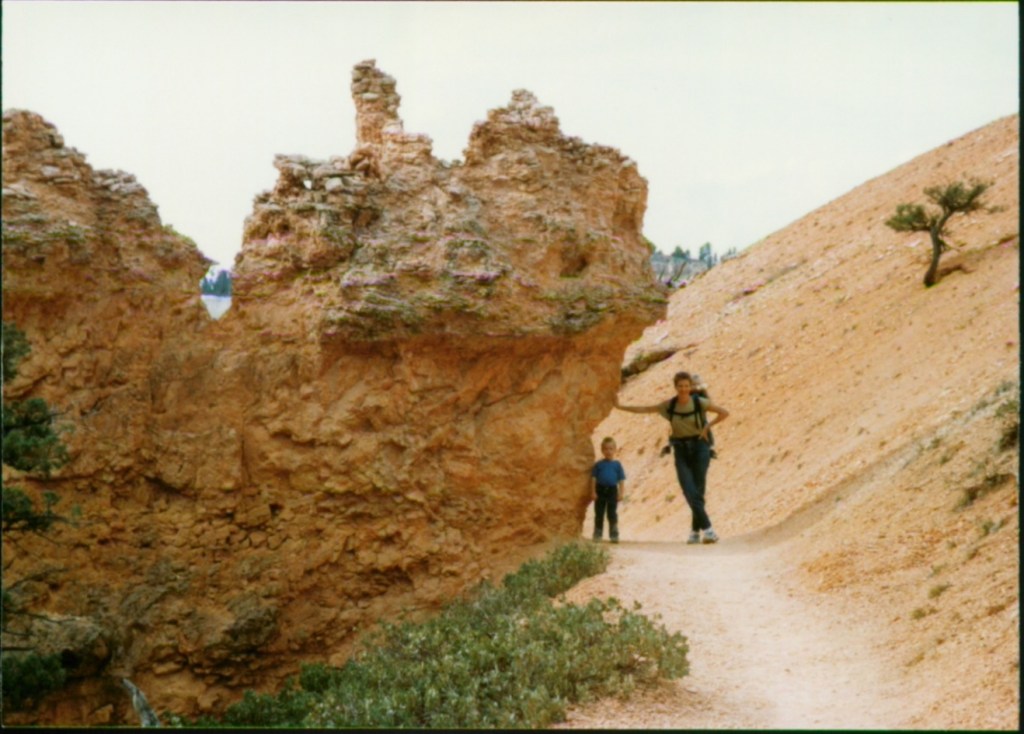
… and Arches National Parks.
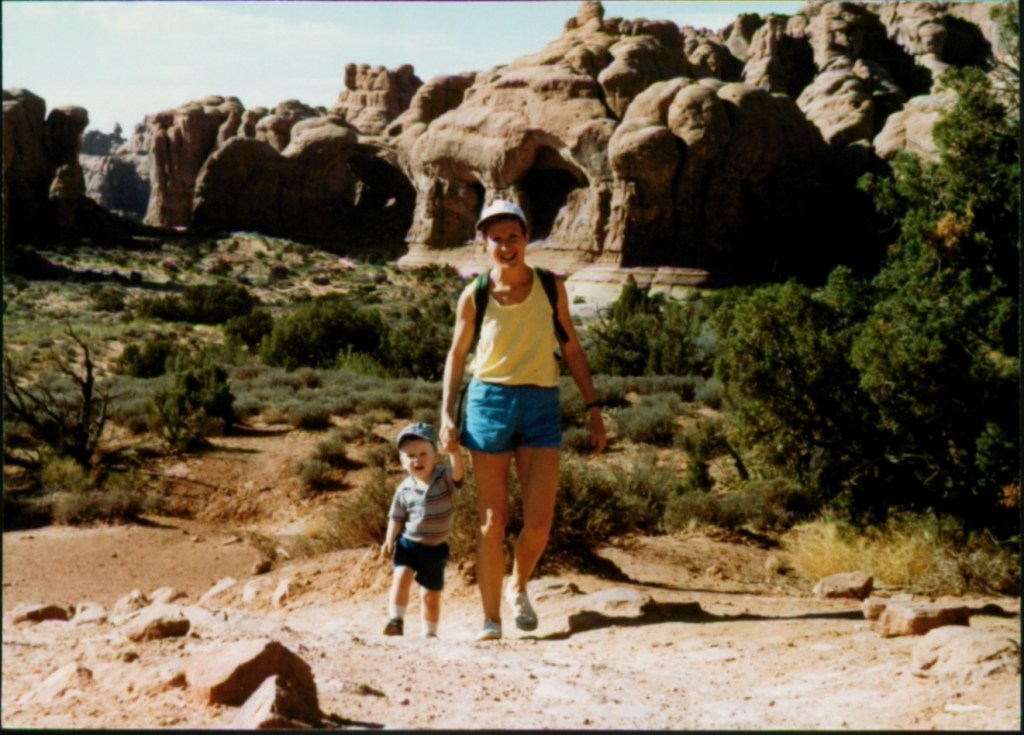
We also went to Grand Canyon National Park in Arizona.
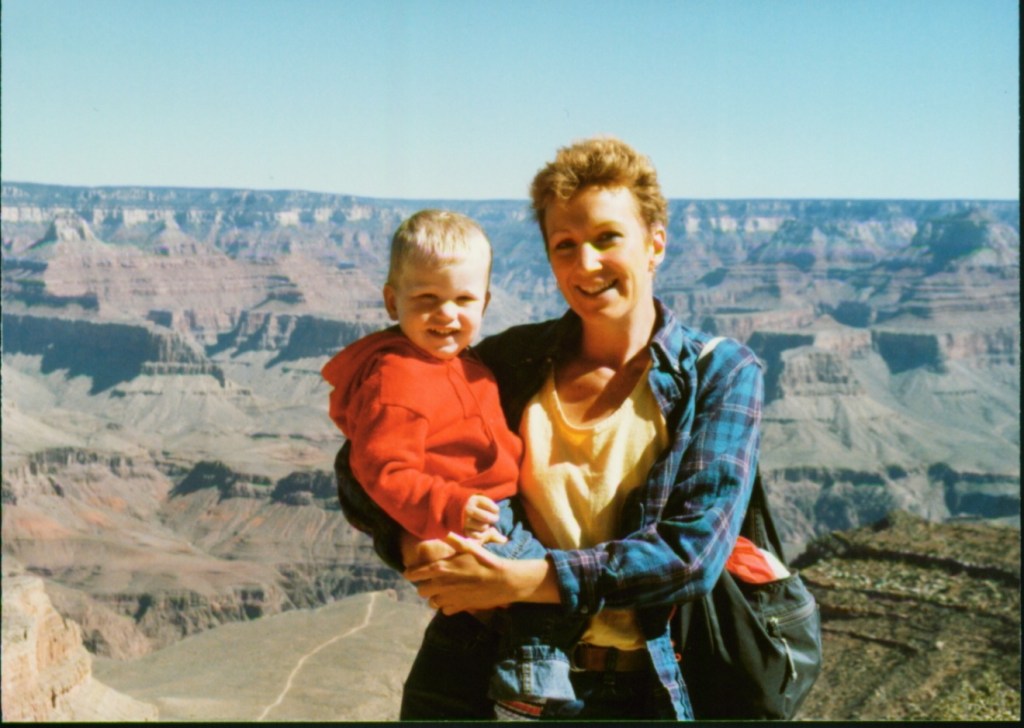
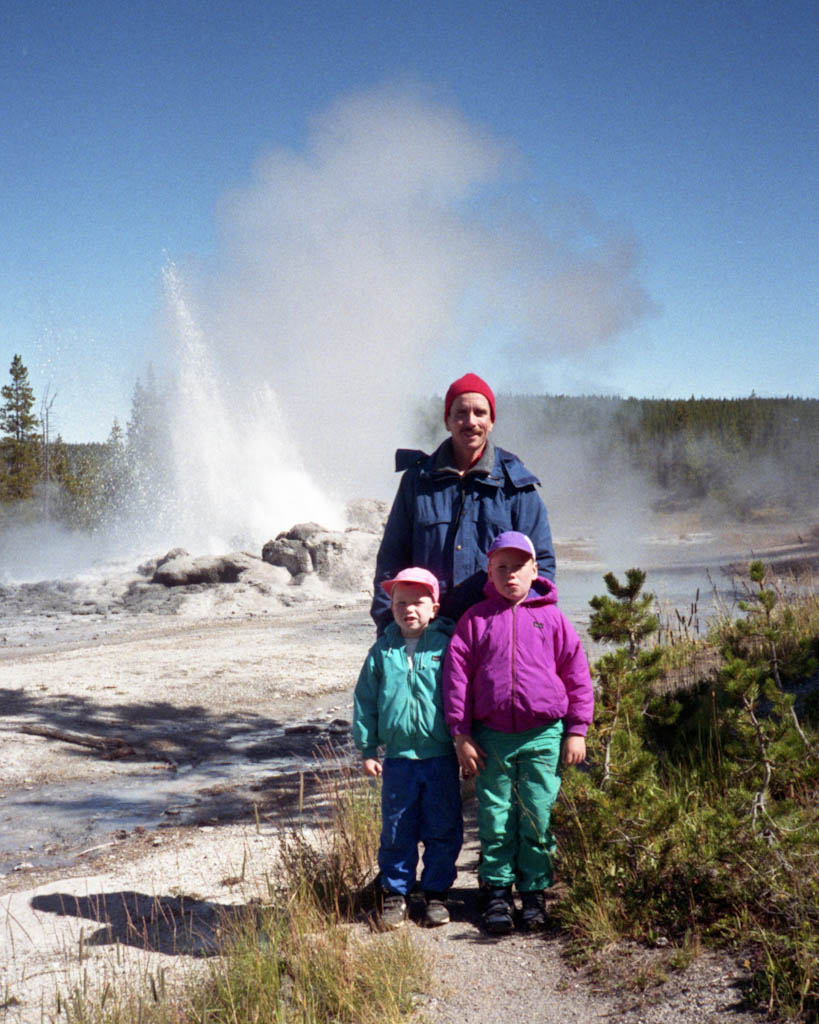
As our boys got older, we were able to begin taking them backpacking. We did short trips in Olympic National Park, …
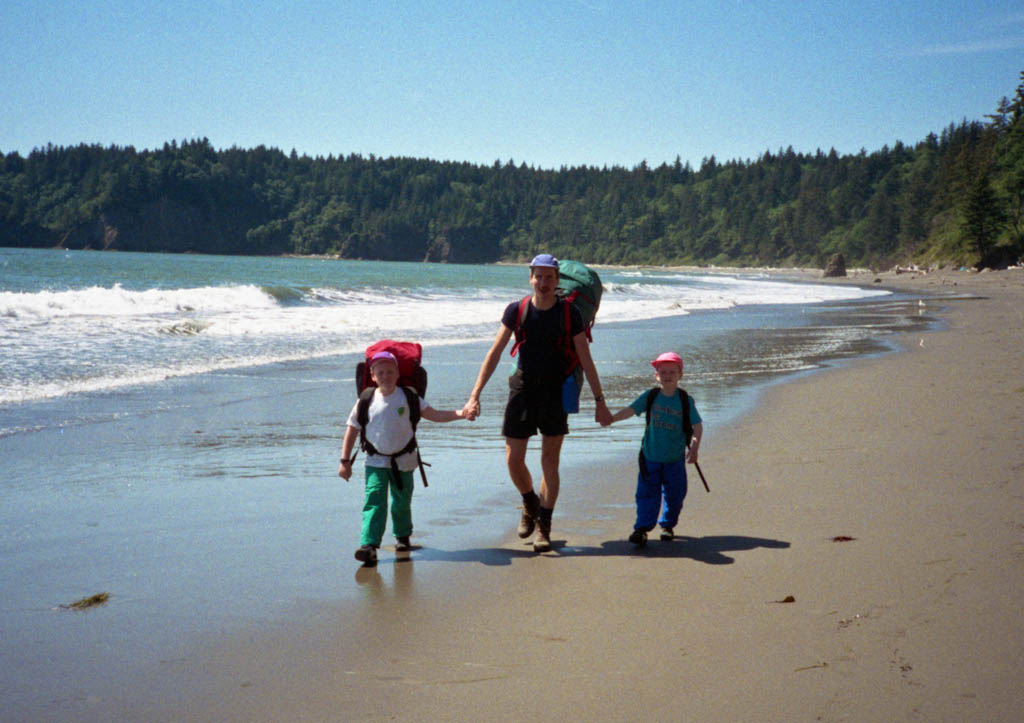
… Yellowstone in Wyoming, …
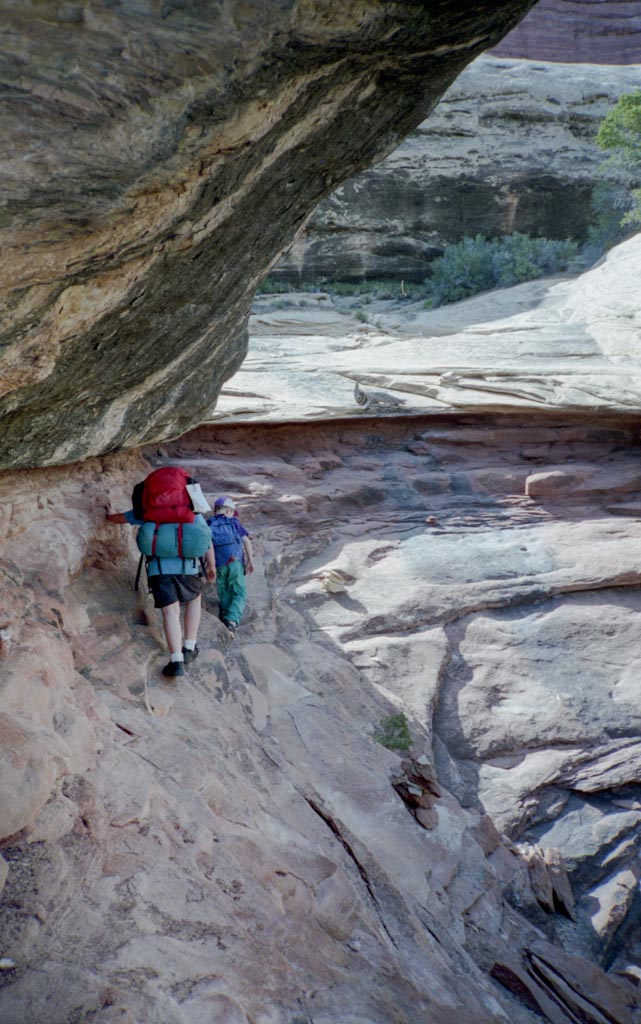
… and in Canyonlands National Park in Utah.
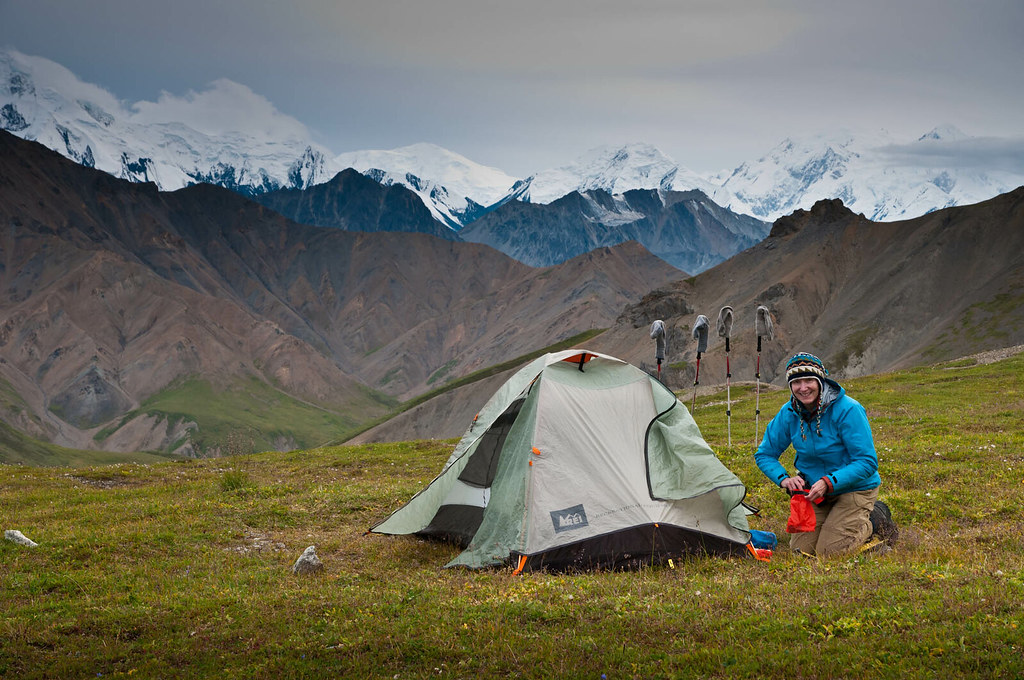
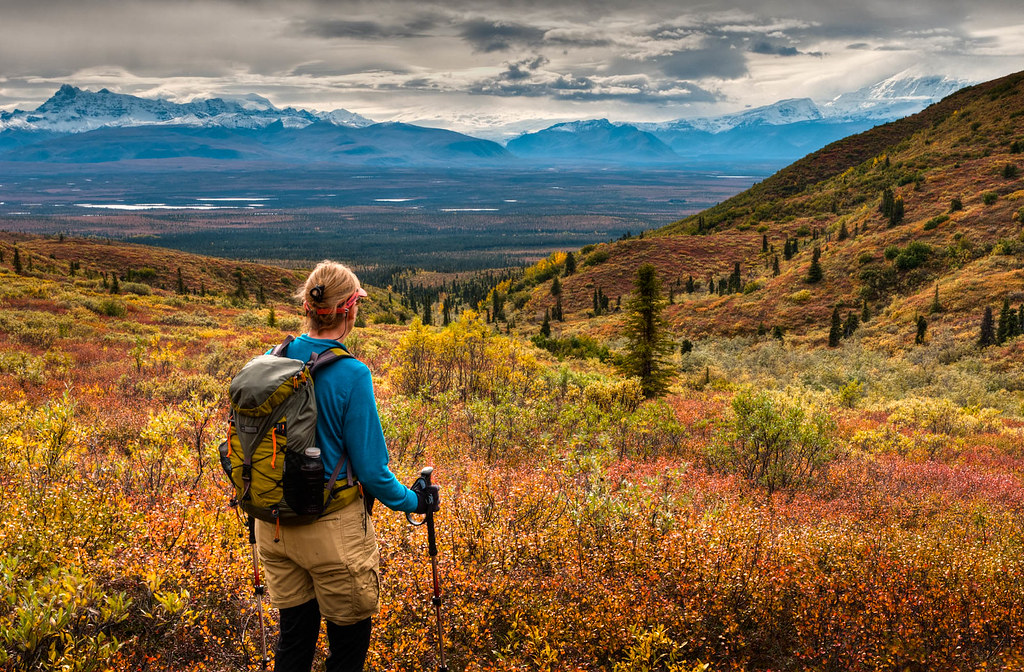
Once John retired, we began a ten-year journey as full-time RVers. We feel so fortunate to have been able to spend a great deal of time in so many wonderful parks. We visited Denali …
… and Wrangell-St Elias National Parks in Alaska …
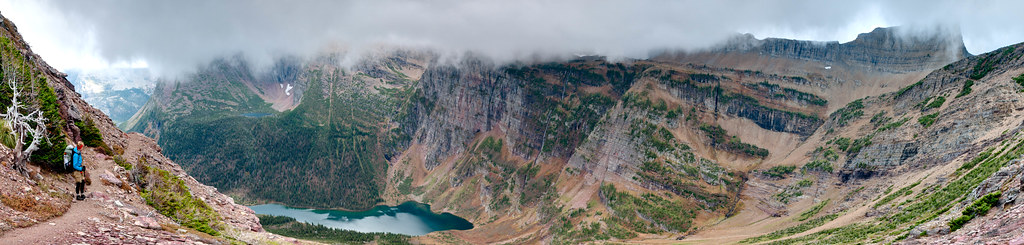
… as well as Glacier National Park in Montana.
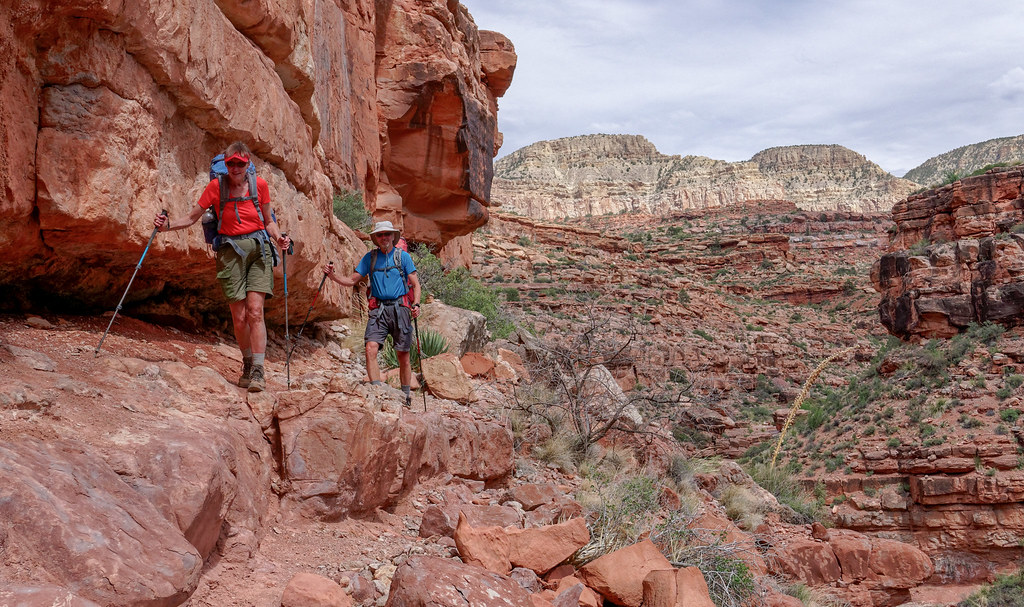
Since 2011 we have spent many days backpacking in Grand Canyon National Park. Of our two boys, Dan enjoys backpacking as an adult.
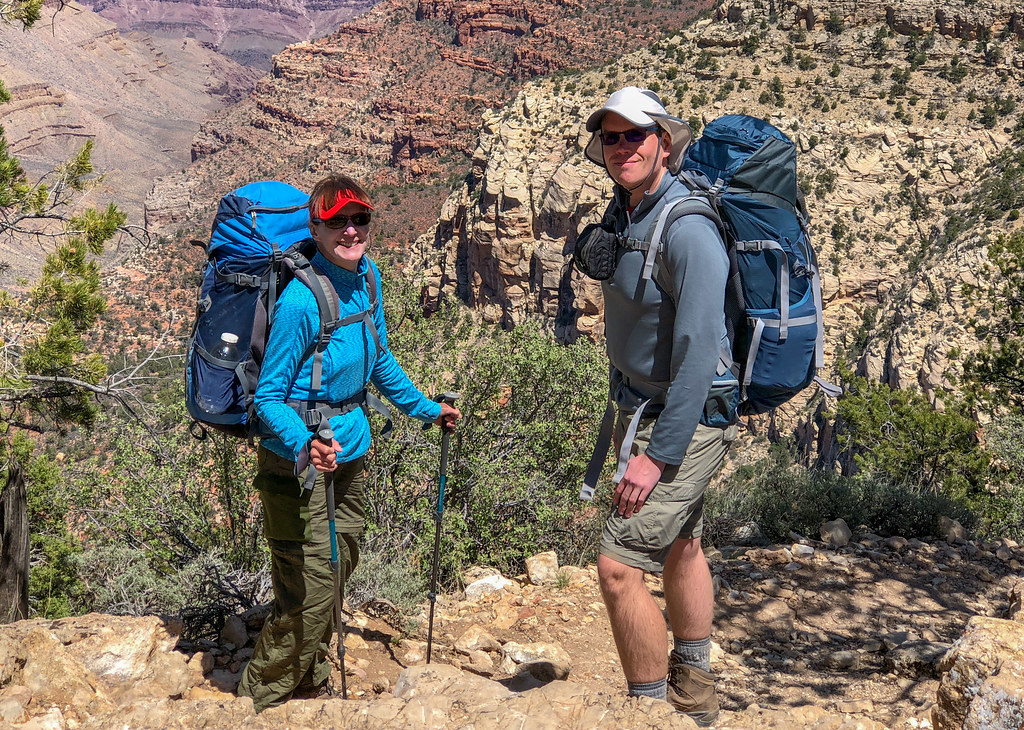
In 2018 we achieved our goal to hike every officially named trail and route within the national park.
We have backpacked the John Muir Trail (JMT) which passes through Yosemite, …
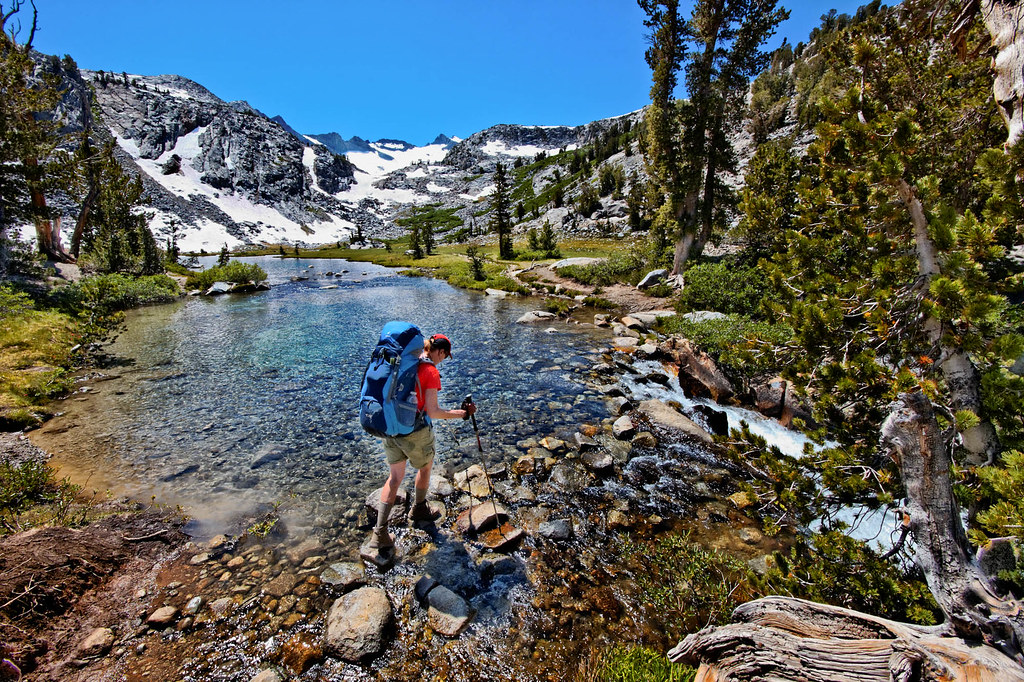
…Sequoia, …
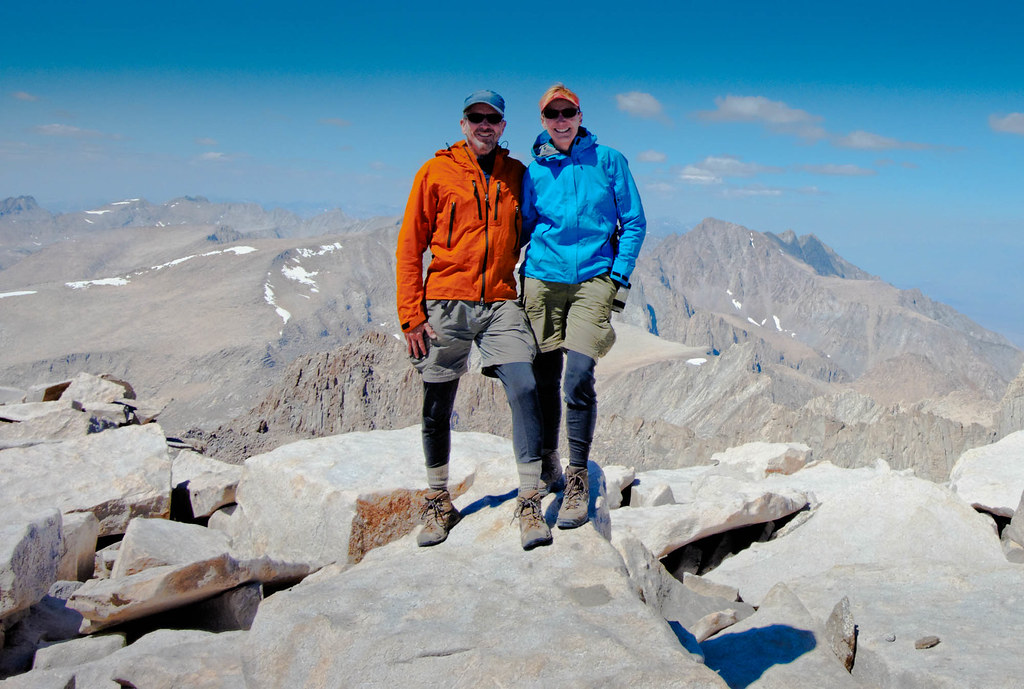
… and Kings Canyon National Parks.
In October 2026, the US acquired another national park when Chiricahua National Monument in Arizona became Chiricahua National Park.
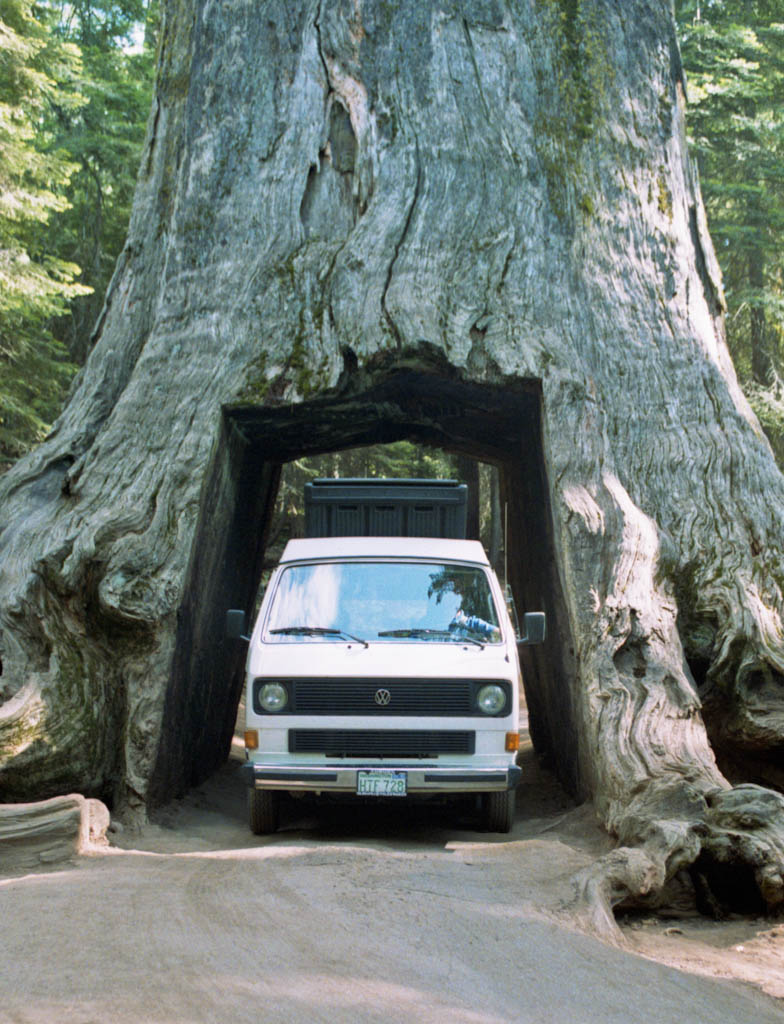
Over the years, we have come to appreciate how much care these national treasures require—and how much we have had to learn about protecting them. Several of our national parks have suffered damage from misguided attempts to attract and entertain visitors. Some of this damage is irreparable. For example, tunnels cut through giant sequoia trees became popular places to have one’s picture taken. Even we succumbed to the temptation.
Fortunately, some of the harm caused by poor decisions can be reversed over time. In Yellowstone, bears were once allowed to feed at park garbage dumps while visitors gathered to watch. Tourists also fed bears directly from their cars. These practices were harmful to bears and dangerous for visitors. Park managers have since worked to keep bears from obtaining human food and garbage.
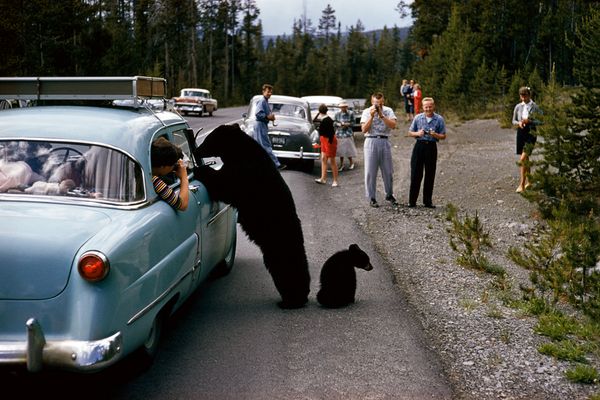
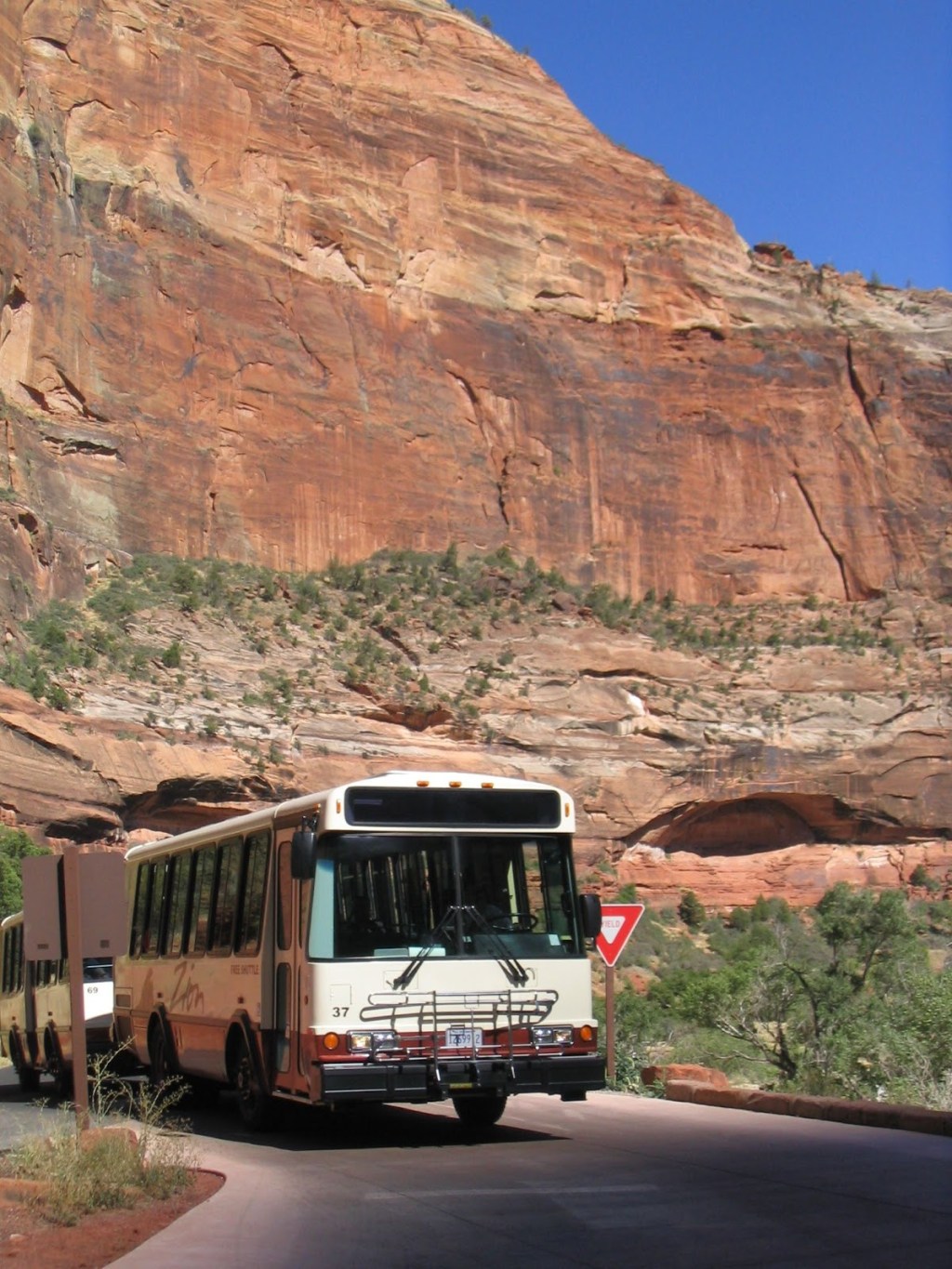
Yes, we’ve made mistakes but we’re learning. For example, several parks have reduced traffic by introducing a shuttle bus system. We can well remember how incredibly congested the road through the valley in Zion National Park was prior to prohibiting private vehicles (unless a registered guest in the lodge) and providing free shuttle buses.
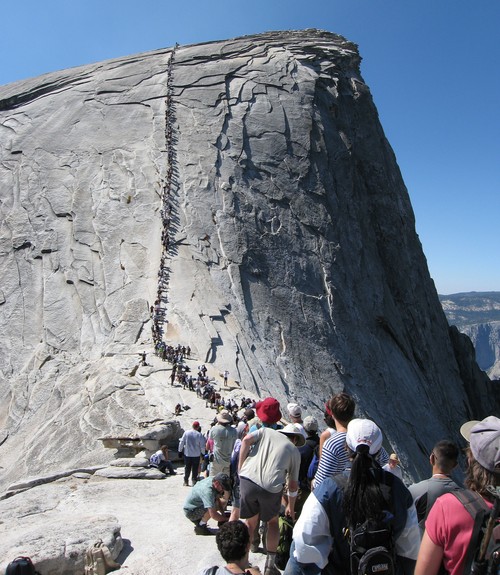
Unlimited access to some popular destinations led to overcrowding, damage, and dangerous conditions. Mount Whitney, Angels Landing in Zion, and Half Dome in Yosemite come to mind. Quotas and permit systems, sometimes using lotteries, were introduced to limit visitor numbers.
While we enjoy day hiking and have visited several iconic places including Angels Landing and Half Dome, our favorite way to enjoy a national park remains going into the backcountry on multiday backpack trips.
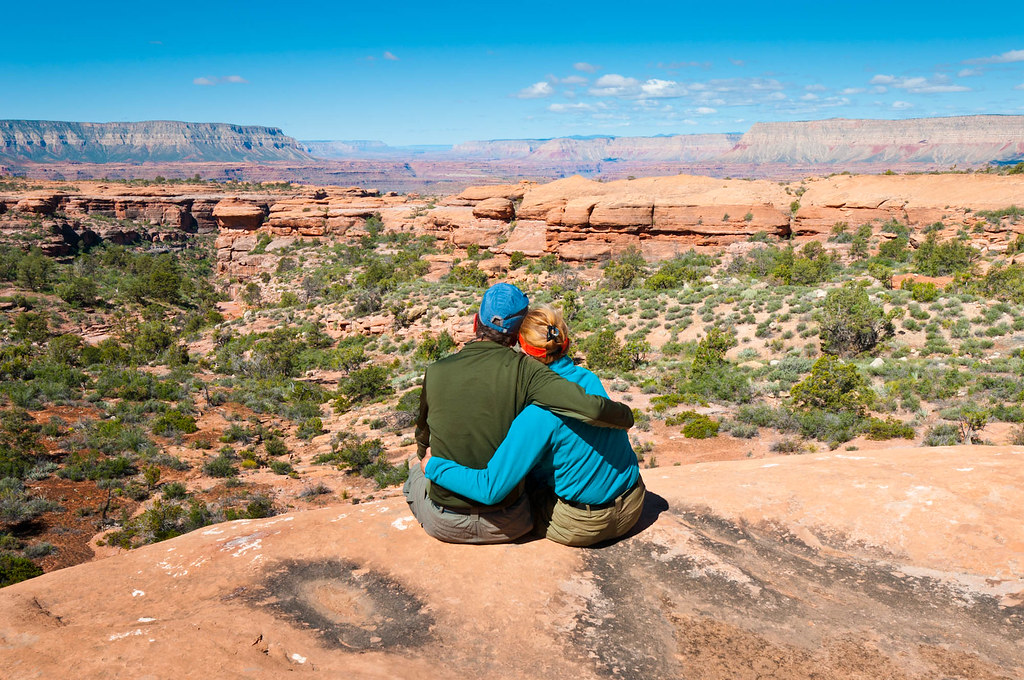
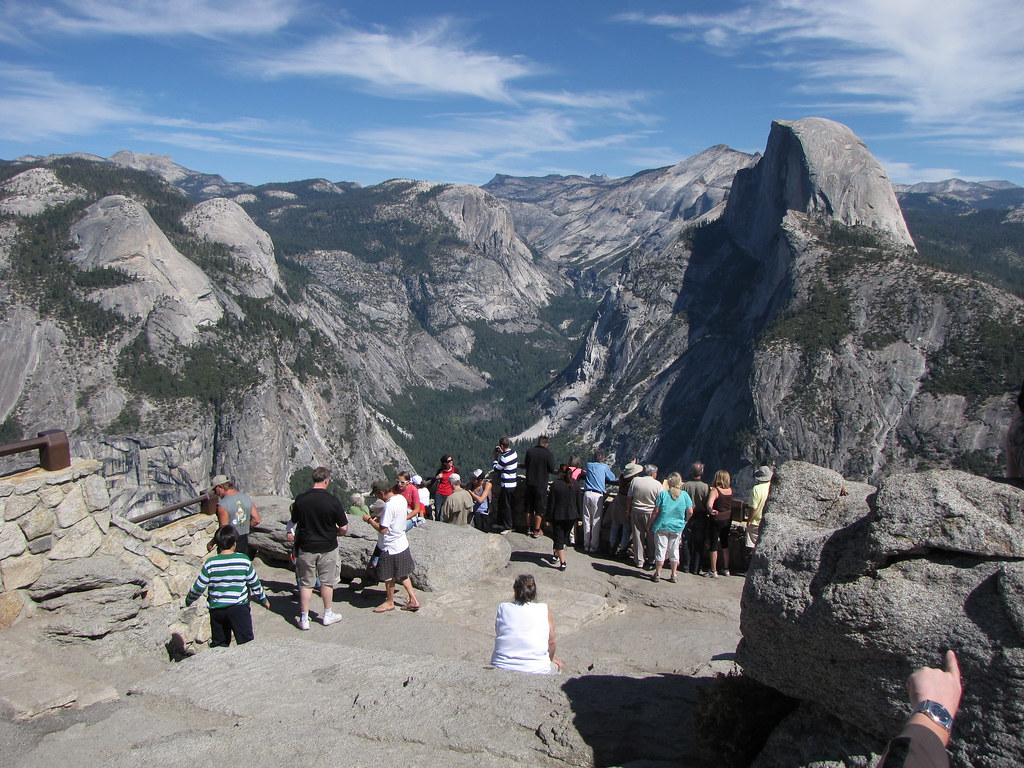
We realize that not everyone is able to do that but oftentimes one who is willing to walk relatively short distances can go beyond where most tourists congregate. By walking just a few miles one can often get better views as well as some relative solitude. We went to the popular Glacier Point for a view of the Yosemite Valley but were overwhelmed by the crowd.
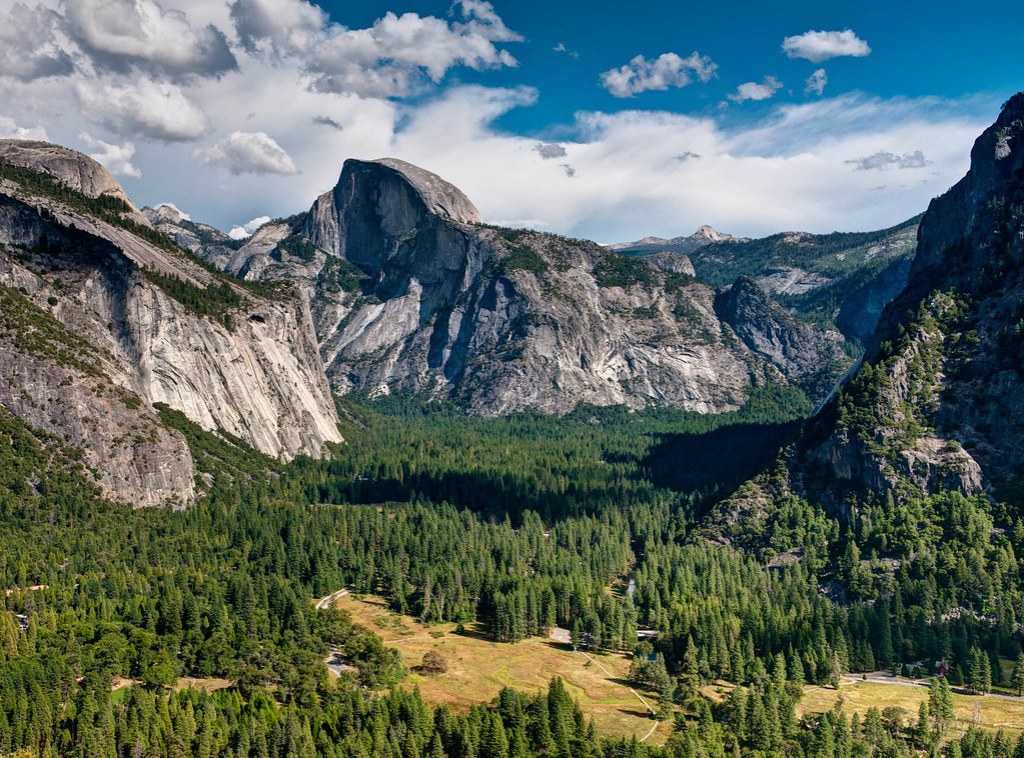
We then did a short hike to Columbia Rock for a different but equally beautiful view of Half Dome and the valley. Periodically a few people would stop to admire the view and take a few photos but they soon moved on.
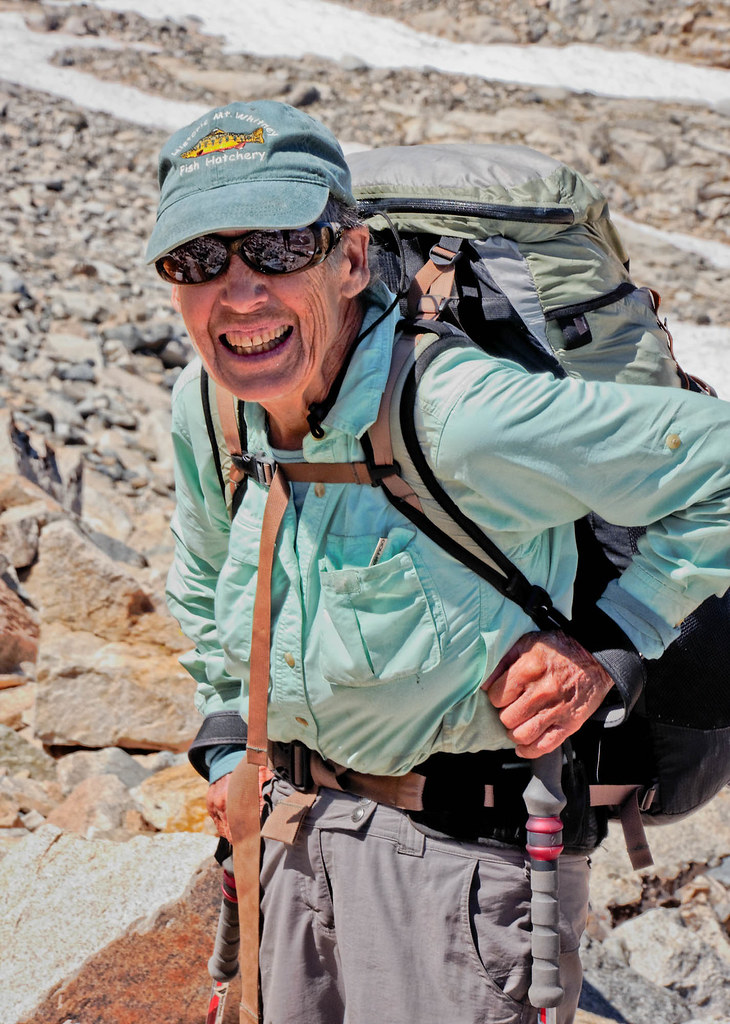
We don’t know how much longer we will be able to continue backpacking. However, we will continue putting one foot in front of the other for as long as we can. I often think about an experience we had back in 2011 that still inspires us. We had the pleasure of meeting Carol, a delightful woman who was also backpacking the John Muir Trail. She was 77 years young at the time.
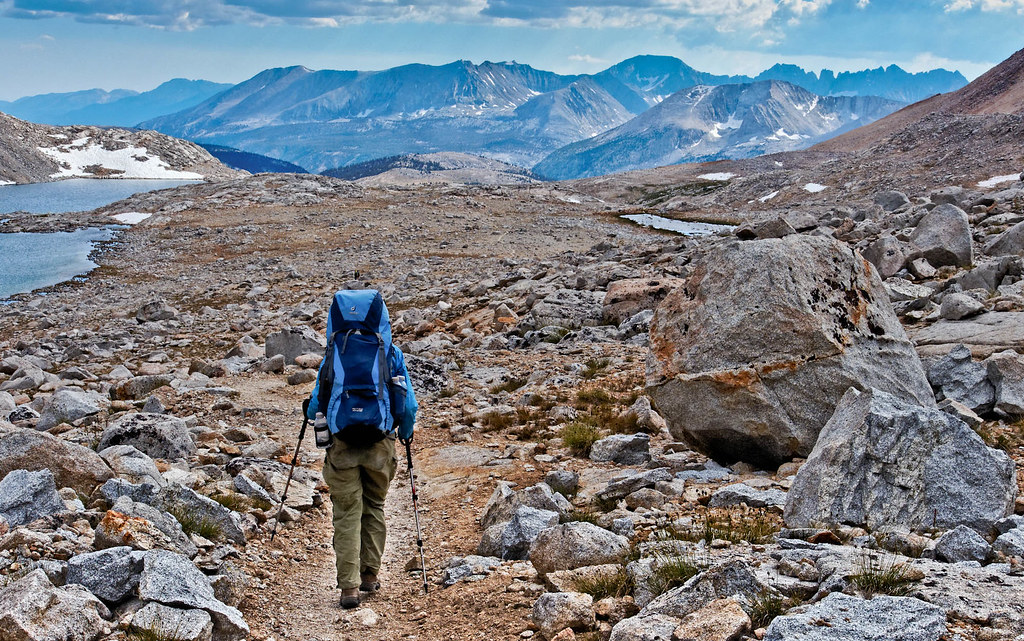
I like how John Muir put it. “Thousands of tired, nerve-shaken, over-civilized people are beginning to find out that going to the mountains is going home …”
I agree with Ken Burns that our National Park system is America’s best idea. If you haven’t done so, I encourage you to watch “The National Parks: America’s Best Idea”, his six-part video.
We have learned quite a bit about how to care for our national parks, but there is still much more to learn. The National Park Service is charged with protecting them, but they can’t do it alone. Whatever we can contribute to their protection will be well worth the effort, so future families can enjoy the opportunities ours has had.


Leave a Reply