Back in 2017 we had plans to backpack the Pacific Crest Trail (PCT) through Washington State. In early January, I decided it was time to get serious about training. However, I struggled. I began experiencing fatigue. In the past, when I felt tired after exercising or hiking it was relieved by rest. But now, I woke up not feeling refreshed and no amount of rest relieved my tired feeling. I found myself putting off training. I planned to start the next day, and then I took a nap. This cycle repeated itself for weeks.
We were living full-time in a motorhome at the time. We were still Washington State residents but spent winters in southern California. Our lifestyle was great except when it came to getting good continuity of health care. We had to change our health insurance that year and my new primary care provider (PCP) was in Washington State. I wouldn’t see her until June.
I had experienced fatigue before and had been diagnosed with hypothyroidism in 2007. A conventional test for thyroid issues is measuring the level of Thyroid Stimulating Hormone (TSH) in the blood stream. Mine was high so my doctor prescribed Levothyroxine. However, this new fatigue led me to do some research into my hypothyroidism. I went so far as to order some of my own lab work including thyroid hormones.
When I saw my new PCP, I told her about the fatigue I was experiencing. I tried to give her some background so she would understand how unusual this was for me. I gave her my lab results. But she was unimpressed. She first pointed out that I was 63. She looked again at my lab work and her words made my heart sink. She said “Your TSH is fine. You’re fine. Everyone feels fatigued.”
My health insurance covered some less conventional medical care. I went to see a Naturopath and I finally felt heard. He ordered more lab tests. Long story short, he prescribed a different medication and it worked. I was able to backpack again!
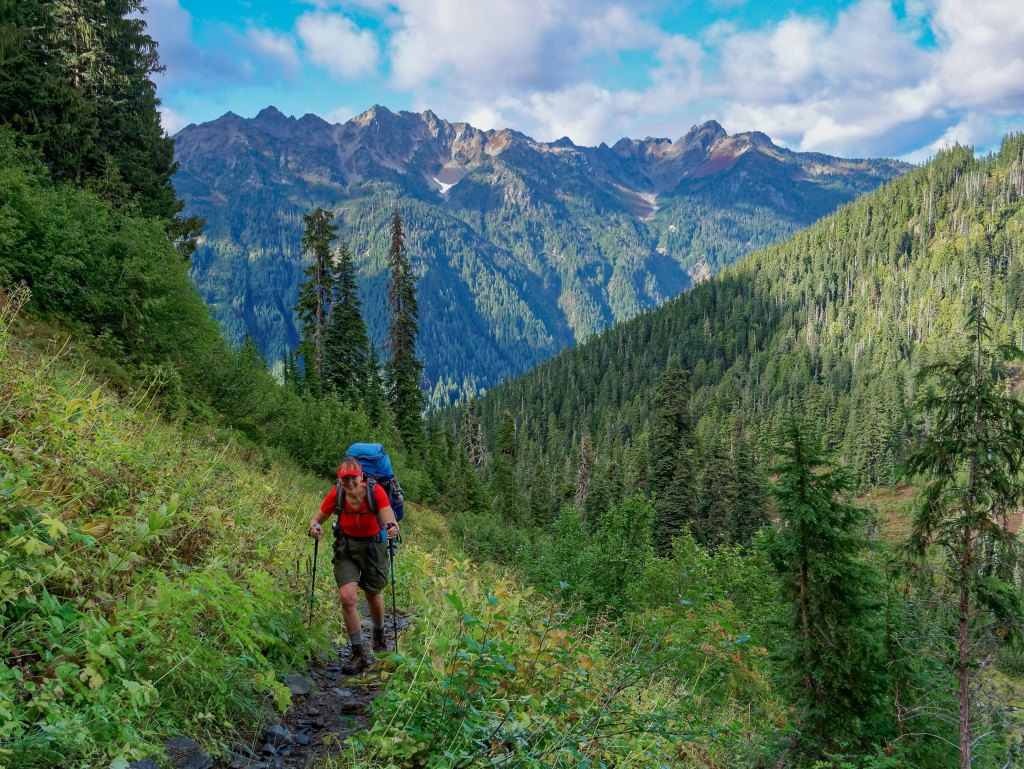
Meanwhile, John was not without his own challenges. He had been experiencing ankle bone pain. Boots he had worn for years now caused him severe pain and it was negatively impacting his ability to hike. He had seen a podiatrist whose only suggestion was surgery to shave off part of the bone, but John was hesitant to consider that option.
While we were in Washington State, I was able to get him to see his new PCP. He was resistant because he never felt like it was of benefit. He was always told how great he is doing because he is much more physically active than many men his age. This new PCP was no different. He didn’t even bother to order any lab work.
A few months after I started ordering my own lab work, John decided to order some for himself. When he got the results back, he noticed two things: his red blood cells (RBCs) and his platelets were extraordinarily high. We were back in California, but he was on Medicare by then and went to a new PCP there. This doctor immediately referred John to an oncological hematologist. She diagnosed John with Polycythemia Vera (PV), a blood cancer that causes the bone marrow to produce too many RBCs and platelets.
The primary risk of this disease is the thicker blood may form blood clots which can lead to heart attack or stroke. His doctor ordered a therapeutic phlebotomy where 500 cc of John’s blood was drawn off. She also prescribed Hydroxyurea, a daily oral chemotherapy medication. As John and I were leaving the hospital after his first therapeutic phlebotomy he exclaimed “My ankles don’t hurt!” Apparently, bone pain can be a symptom of PV.
I shudder to think about how long John had this disease before he finally got it diagnosed and treated. He had been having ankle bone pain for years. I am angry at his previous PCP for not ordering routine blood work despite how healthy John looked. I am almost grateful to my PCP for pissing me off and leading me to order my own lab work. If I hadn’t then John would not have ordered his own. Without it, he may not have learned he had this disease until he had a heart attack or a stroke.
The good news is that in 2018 we did five backpack trips in Grand Canyon …
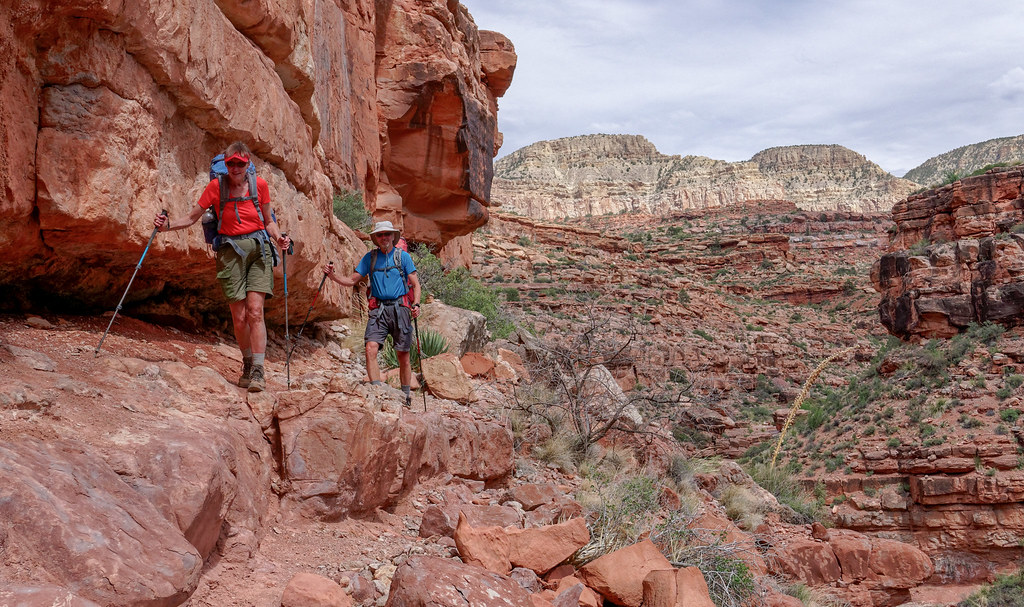
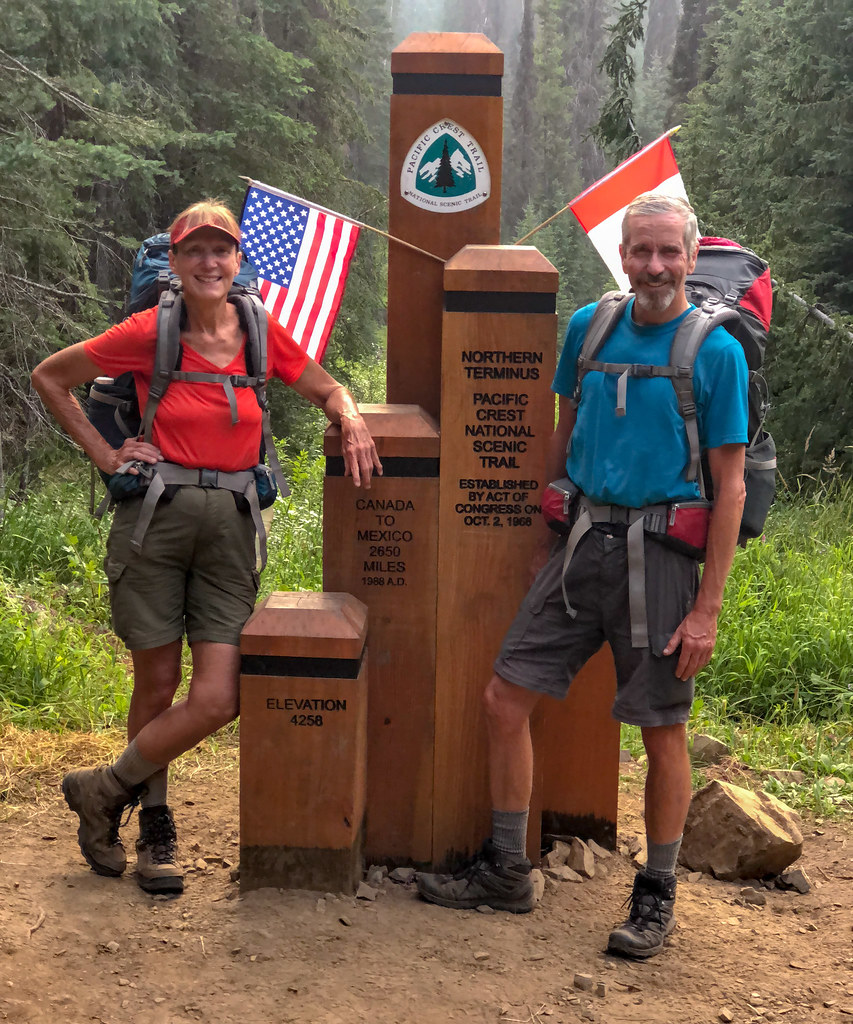
… AND we backpacked the PCT through Washington.
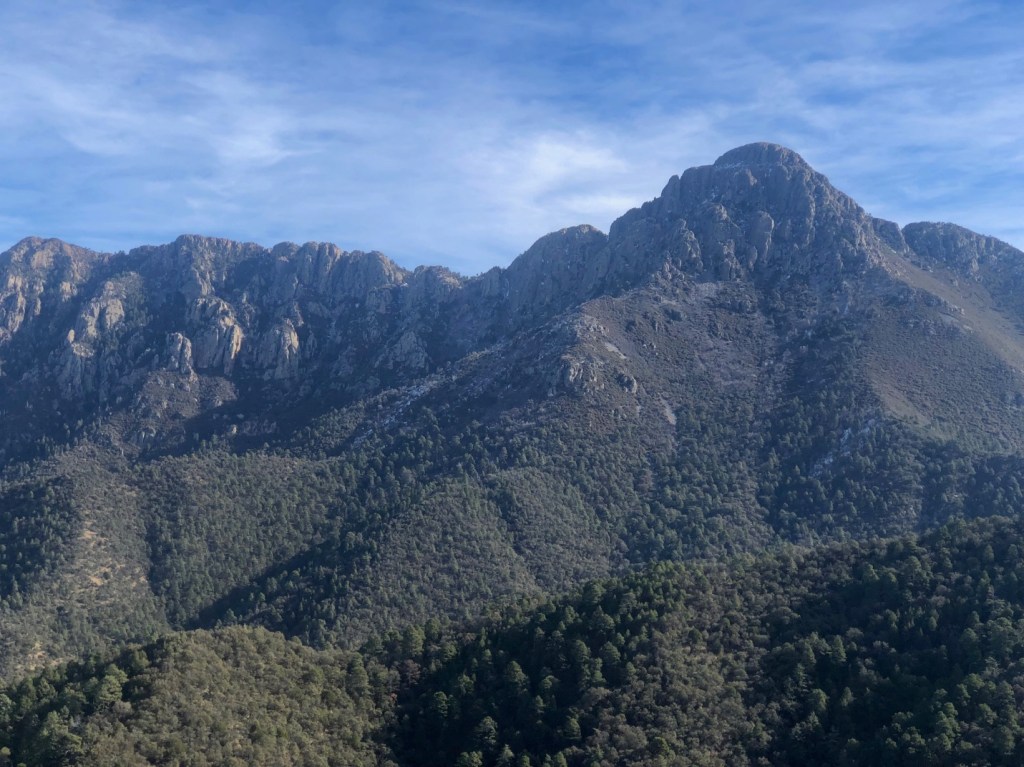
Then in 2021 it was my turn again to have a health issue. We had since settled down in southern Arizona. We are close to the Santa Rita Mountains and our go to hike is to the summit of Mount Wrightson (9,456 feet). Our favorite trail is 10.8 miles round trip with 4,000 feet of elevation gain. It is a great training hike!
We had plans to do some backpacking that summer in the Sierra. We would take our son Dan with us. Early in the season I planned to do extensive training for our upcoming trips. However, I started experiencing shortness of breath while hiking. Even when I slowed my pace, I would still have to just stop and catch my breath. It was so discouraging. I started to question whether I should go with them. My concern was I would hold them up too much. I was even afraid my backpacking days were over. We ended up canceling those trips due to smoke from wildfires. I was relieved.
I saw my new PCP in Arizona because this represented something new. I wanted her to check out my lungs or something. I wanted her to understand why this was so impactful. Instead, all she said was “Well, you are older.” Yes, I was 67 at the time but I was unconvinced everything could be blamed on my age. However, the summer of 2022 found us back in the Sierra including the summit of Mt Whitney. I had been able to train enough and surprisingly I no longer felt short of breath. I was happy about it, but it was a mystery. I don’t like mysteries.
I had since left that PCP and had been looking for a new one. Unfortunately, there is a shortage in the area and even once you find one who is accepting new patients it can take a year to see them for the first time. I liked the first one I saw but she left the state not long after that. I found another but I couldn’t see her until December 2023.
When I finally saw her, one of the first things she did was listen to my lungs and my heart. Then she said, “You have a heart murmur.” She said that one of my heart valves was leaking and that I might need a valve replacement. I had an echocardiogram and saw a cardiologist. I was diagnosed with moderate aortic valve insufficiency and my heart was enlarged.
I was told that my shortness of breath had been an early symptom of my condition. But why had I been able to hike and backpack just fine in 2022 and 2023? My cardiologist explained that was because my heart had enlarged and was compensating for the leaky valve. He said I could continue to backpack but we would keep a close eye out for worsening symptoms. Unfortunately, I was unable to backpack in 2024 due to plantar fasciitis.
In 2025 I was ready to backpack again. John and I did two easier trips to test my foot. And then we did two trips in the Sierra as a warmup for a much bigger trip. We planned to do 250 miles on the PCT through the Sierra from Cottonwood Pass to Yosemite National Park. I struggled with fatigue and initially blamed it on inadequate calories. I tried eating more but it didn’t help.
About halfway through our long trip I came to the unhappy realization that my heart was no longer able to compensate. I realized that open heart surgery was in my future and soon. Once home, I went to see my cardiologist, and he referred me to a surgeon. I had my aortic valve replaced on November 14th, 2025.
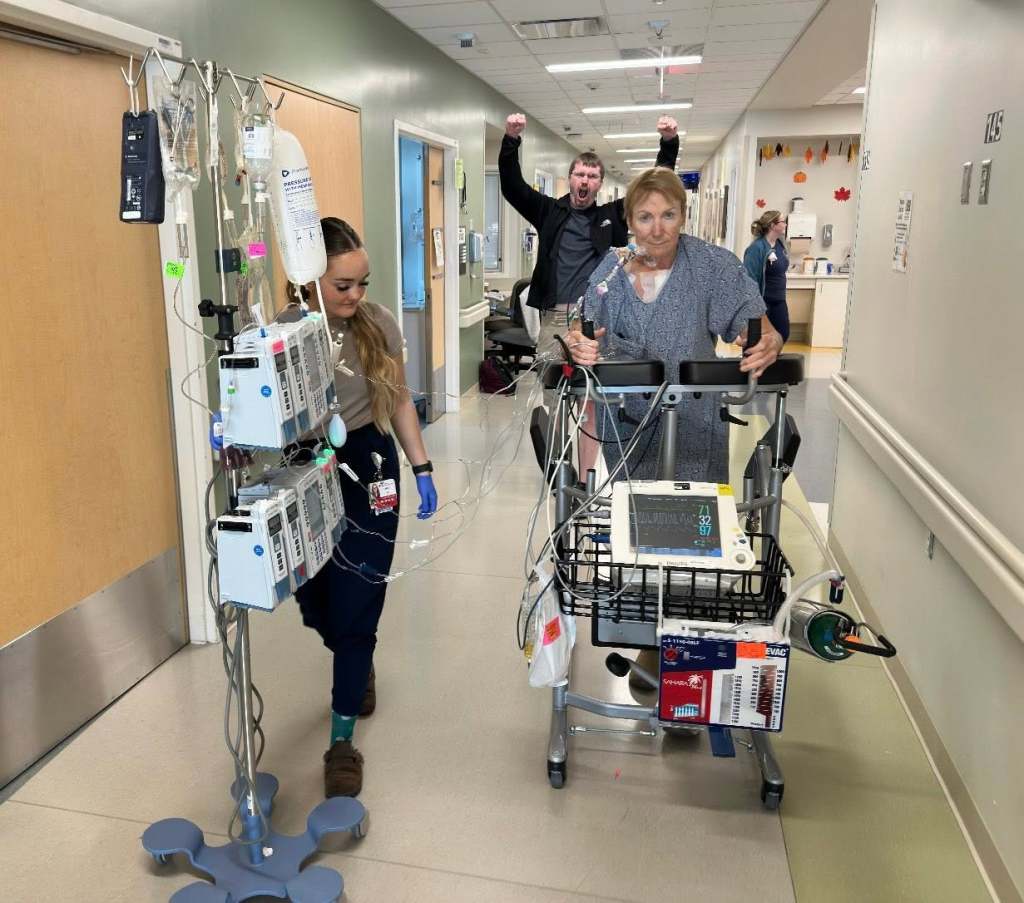
I had been told prior to surgery that because of my otherwise excellent health I would “be easy” for my surgeon. And apparently, I was. My recovery went well, so well, that I went home three days after surgery. Once home, I followed my post op instructions to go for short walks every day and to gradually increase the distance. In three weeks, I was walking six miles a day. After six weeks I was allowed to start hiking again. John and I went to Mount Wrightson Wilderness and did a short hike (four miles, 1,000 feet of gain) to a favorite spot, Rogers Rock. It felt great to be hiking again!
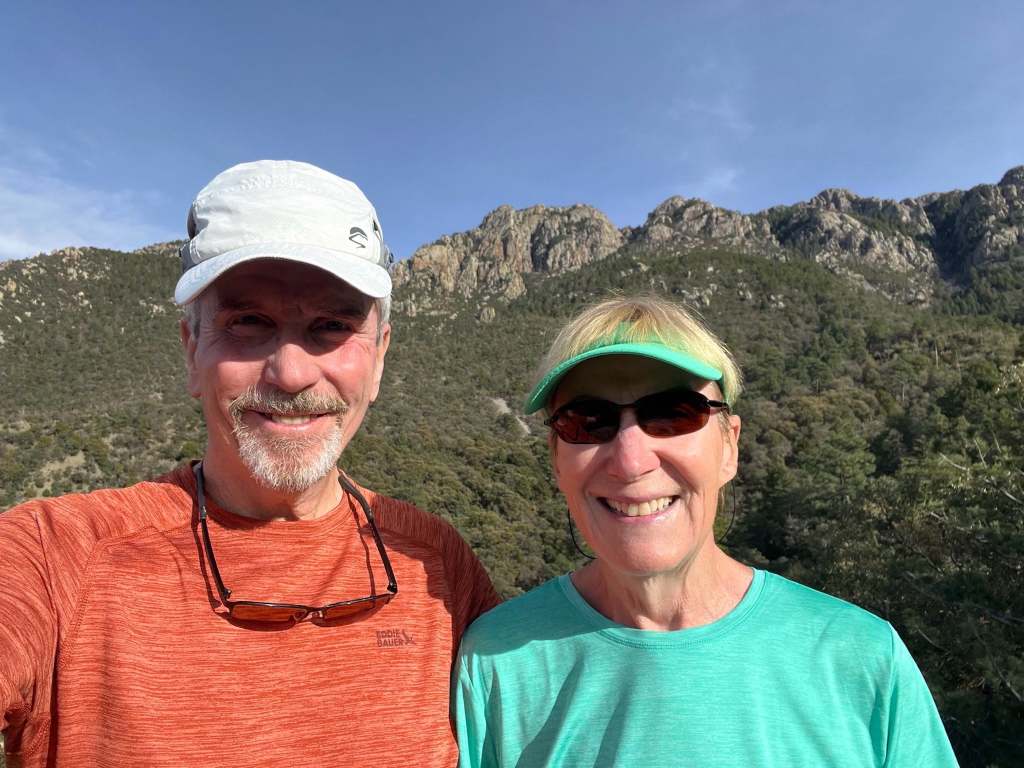
I hiked on a regular basis. I looked forward to regaining the conditioning I had lost and seeing what my repaired heart could do. However, my progress was inconsistent. I wore a heart rate monitor while hiking and tracked my morning resting heart rate. I continually had to remind myself to just listen to my body and to not measure my success by how far I got. I read that after an aortic valve replacement that the enlarged heart goes through a remodeling process where it begins returning to normal size.
Over the next several months I was able to keep working on improving my conditioning while allowing my heart to do what it needed to do. In August 2026, John, Dan and I headed to the Sierra and one of the trips we did was nine days and eight nights on the PCT from Sonora Pass to Yosemite National Park. It was great! More than anything, this proved to me that there can be backpacking after open heart surgery!
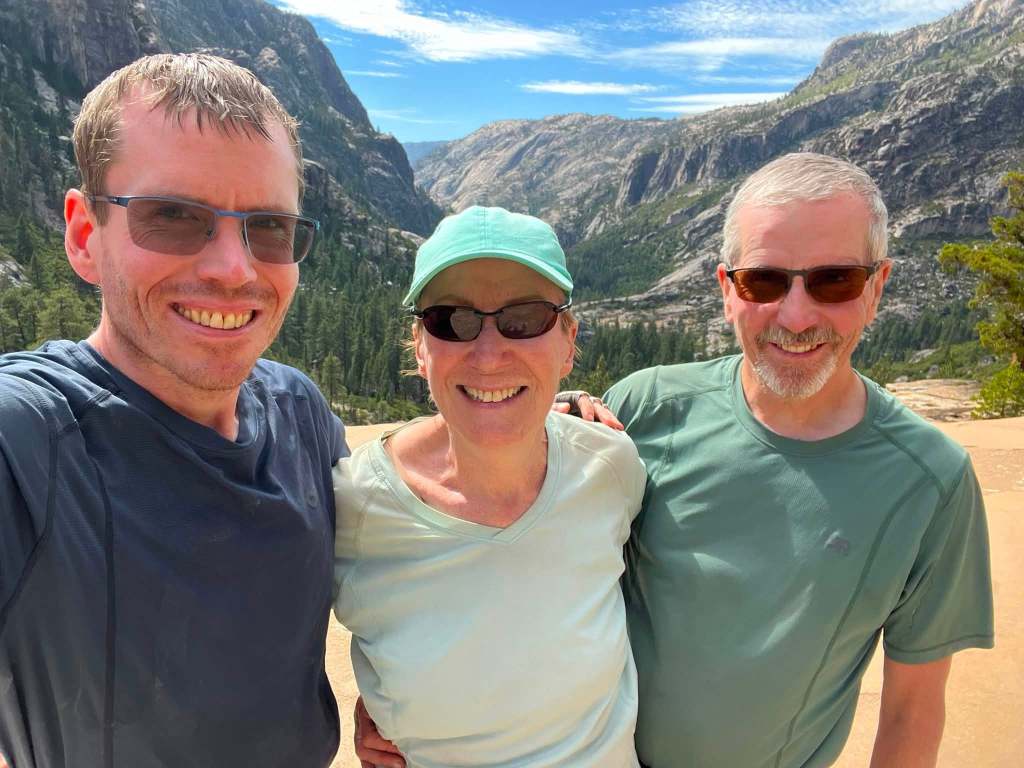
When I think back about these three situations, it reinforces the belief that John and I need to be informed about our health and to be our own advocates. We need to speak up when there is an unexplained change in our physical abilities. I am relieved that I didn’t accept my previous PCP’s pronouncement that I was “fine” and that I persevered until I got the right diagnosis and the right medication. I am so thankful we learned about John’s cancer in time for him to start treatment before his life was threatened. I feel justified in leaving the PCP who wrote off my shortness of breath as a sign of aging rather than a symptom of something else.
We are grateful for modern medicine. Granted it is not perfect and undoubtedly advancements will happen in the years to come. But where would John be without his chemo? Where would I be without the change to my thyroid medication or my new aortic valve? Thanks to our love of hiking and backpacking, we both learned about issues that were threatening our long-term health. And thanks to modern medicine, we are still able to do what we love, hoist a pack and head into the backcountry.


Leave a Reply