As far back as I can remember I have always loved being outdoors. I grew up in a small town in Kentucky and my grandmother, who lived just down the street from us, had a huge yard with a creek running through it. I spent hours playing in her yard and wading in the creek picking up rocks to see what lived underneath. While the Barbie dolls belonging to other little girls my age dressed up to go to parties, mine explored jungles and went swimming in the Amazon River of my imagination.
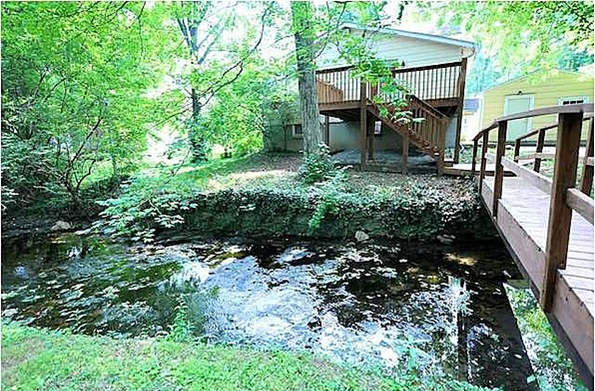
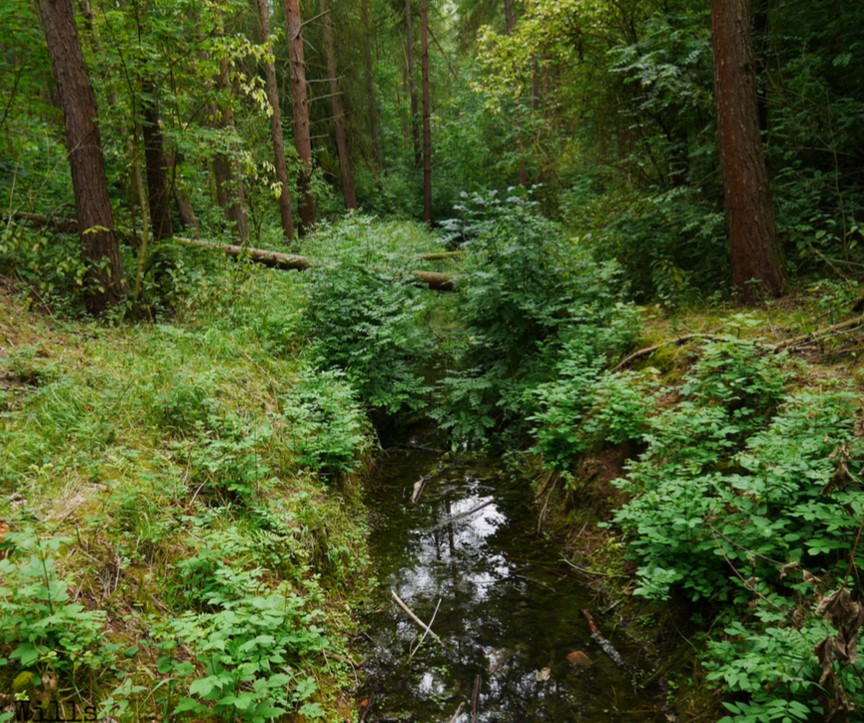
Not far from her yard, a quarter of a mile at most, was a woods bisected by the same creek. One could get there by walking along the road behind her property and then following a dirt path through some tall grass, but I first discovered it by following the creek upstream from my grandmother’s yard. My earliest memory of going into the woods was the trees and brush were so thick the only way to enter was by continuing to follow the creek and picking your way through the dense vegetation along its edge or wading through the water. Once inside I could imagine I was someplace no one else had ever been before. Unfortunately, I don’t have any photos from that time, but the one below is the closest I have found to match my memory of it.
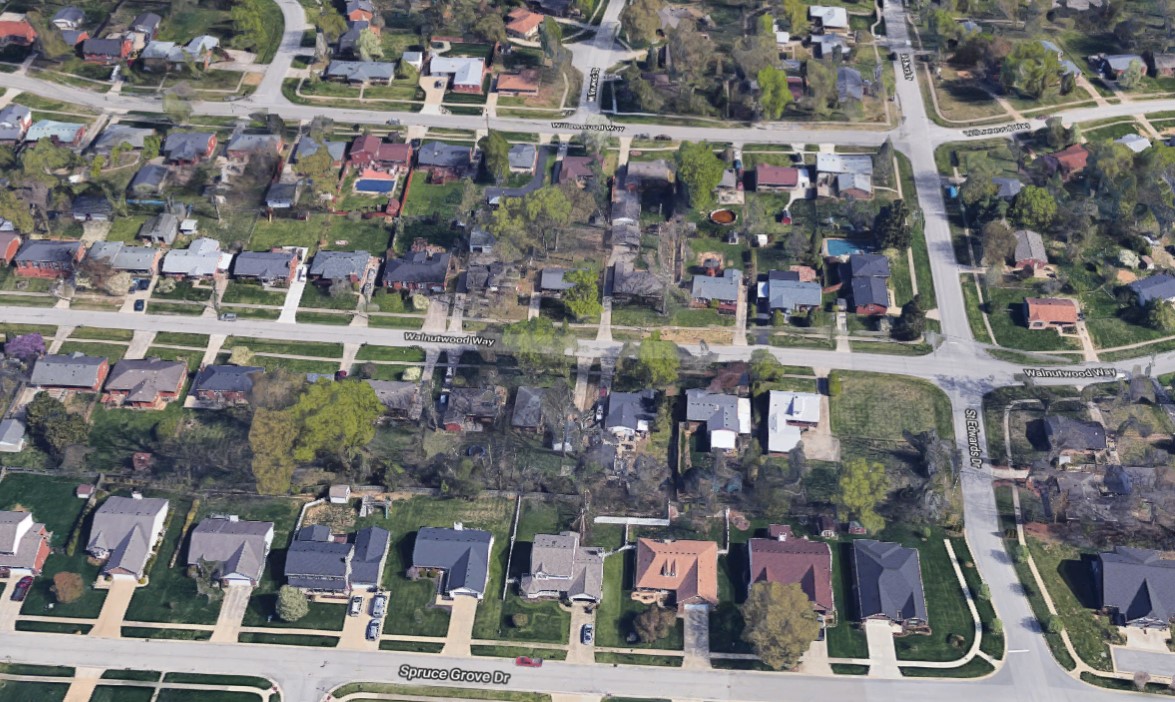
I went there often because it was my refuge from a perplexing world and a troubled household. I felt safe there. Over time, some footpaths began to appear, and I undoubtedly helped in their formation by breaking branches and trampling vegetation. It simply made it easier and faster for me to get to where I wanted to be and wading in the creek was not without perils; there were leeches and snakes. However, over time the character of the woods changed. It became more open with an elaborate network of well-trodden trails. Our community was growing and I was obviously not the only child exploring this woods. Unfortunately, as time went on, often I would retreat to the woods and encounter other children playing in what had previously been my secret places. But the worst was yet to come. By the time I reached my teens my precious woods, my haven, was cut down and replaced by roads and nondescript houses. I had lost my personal wilderness and I was devastated.
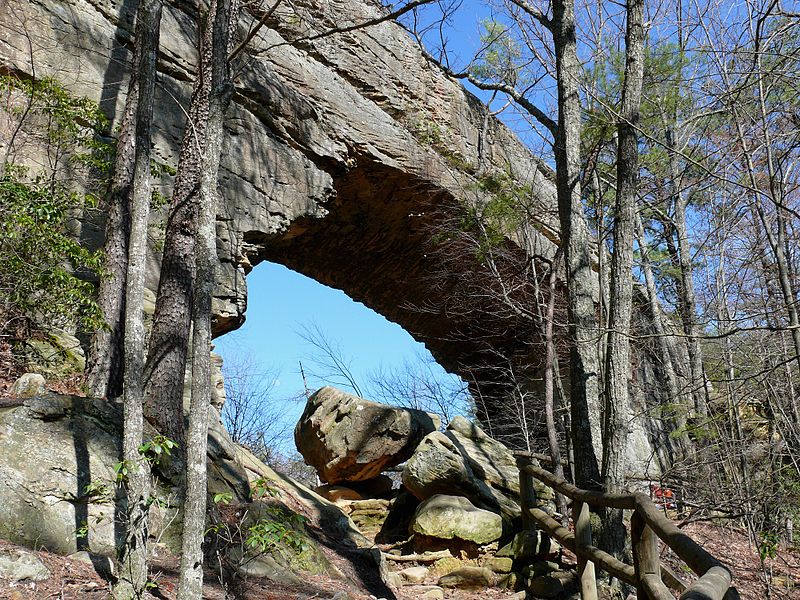
My need for being in wild places was then marginally met by occasional family day trips to Natural Bridge State Park in eastern Kentucky. We would take the short trail that passed notable features along the way such as Balanced Rock and went through Fat Man’s Misery until we got to the main attraction, Natural Bridge.
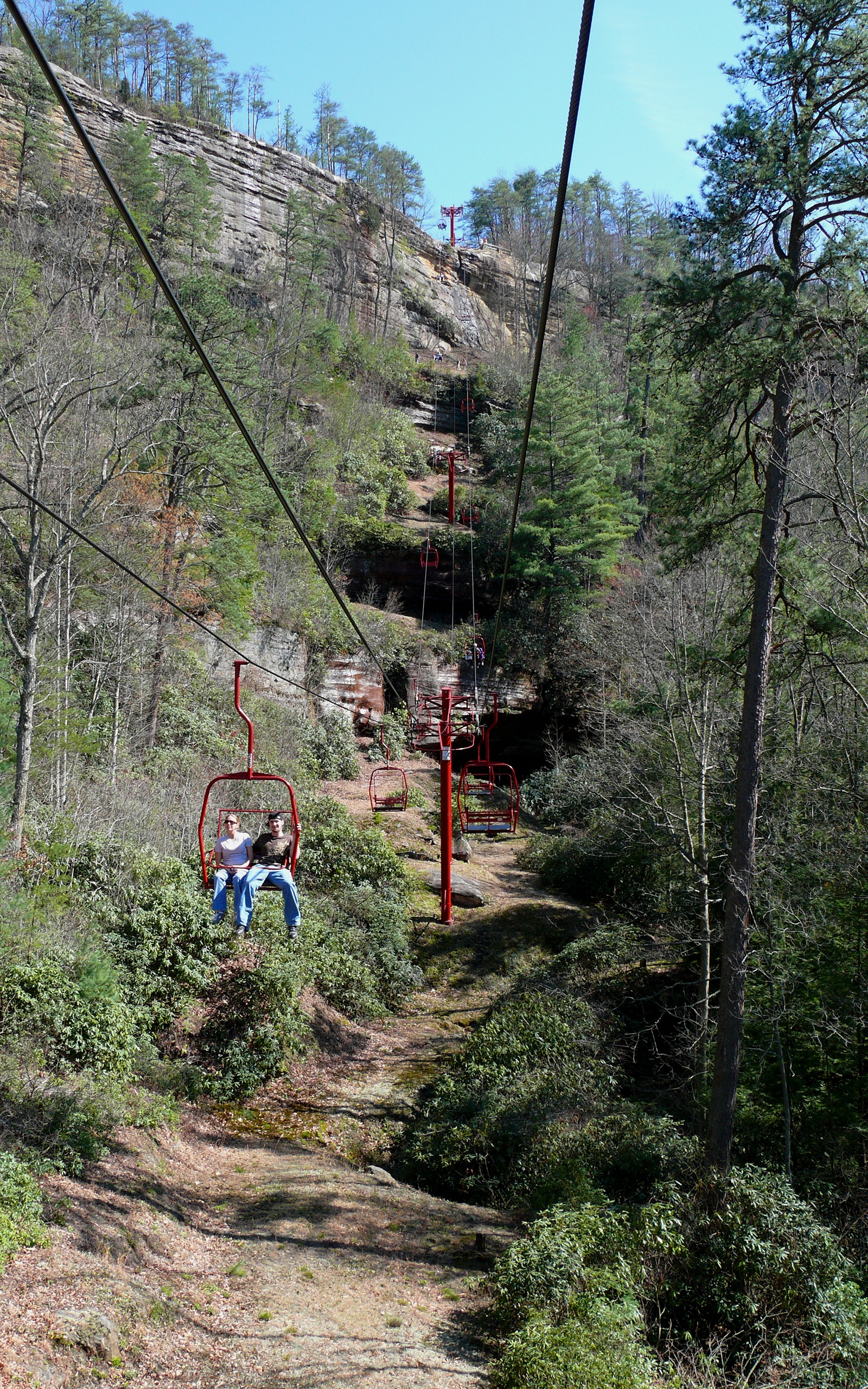
I loved walking on these trails. Unfortunately, these visits were too infrequent, too rushed and too laced with familial strife. Progress invaded here as well, and a chair lift was built which enabled visitors to get to the top of Natural Bridge without having to walk on the trail. I just couldn’t understand the point of it but, as my siblings got older and moved away, my family rarely went there anymore.
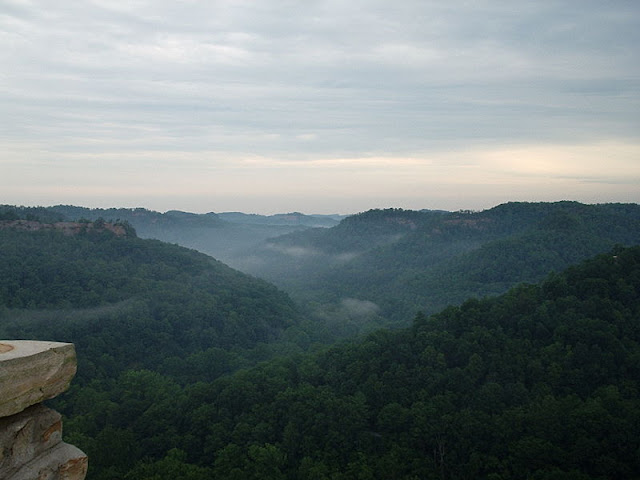
I was a freshman in college when I went on my first backpack trip. My then boyfriend took me on a weekend trip to Red River Gorge in eastern Kentucky and I loved it! Over the next couple of years (and the next couple of boyfriends) I got a few more opportunities to backpack in Red River Gorge. I also got to backpack once in the Great Smoky Mountains.
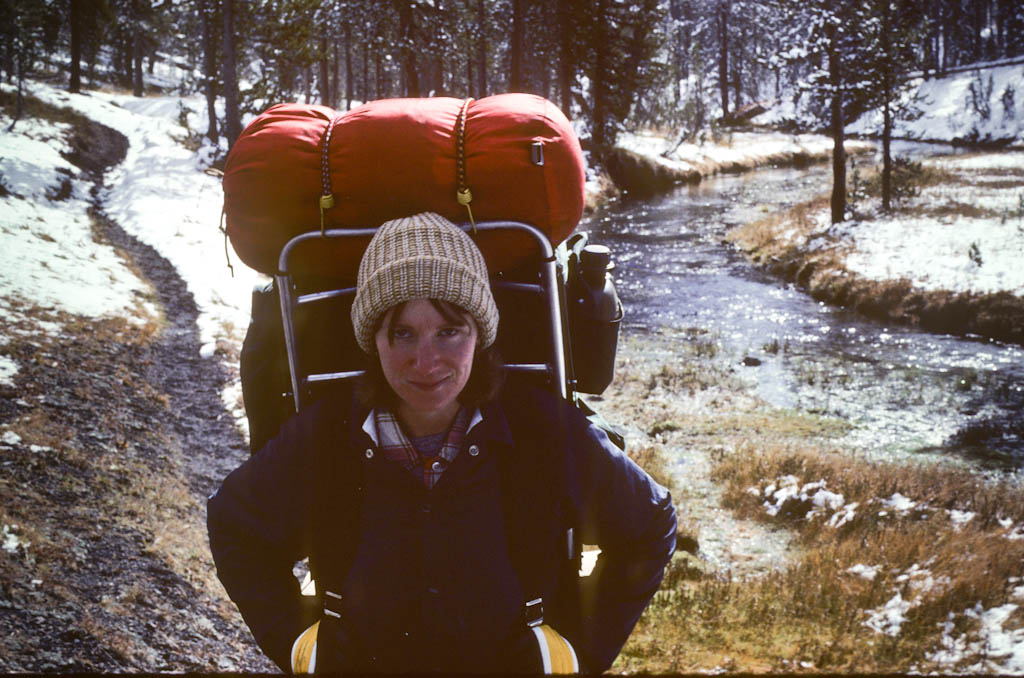
In the fall of 1977 John and I left Louisville to head for Seattle. We did some backpacking along the way including a short trip in Yellowstone National Park in Wyoming. This was my first experience backpacking in grizzly country and I was nervous. But it was thrilling to be in a place I had only read about and never allowed myself to hope I would ever see in person.
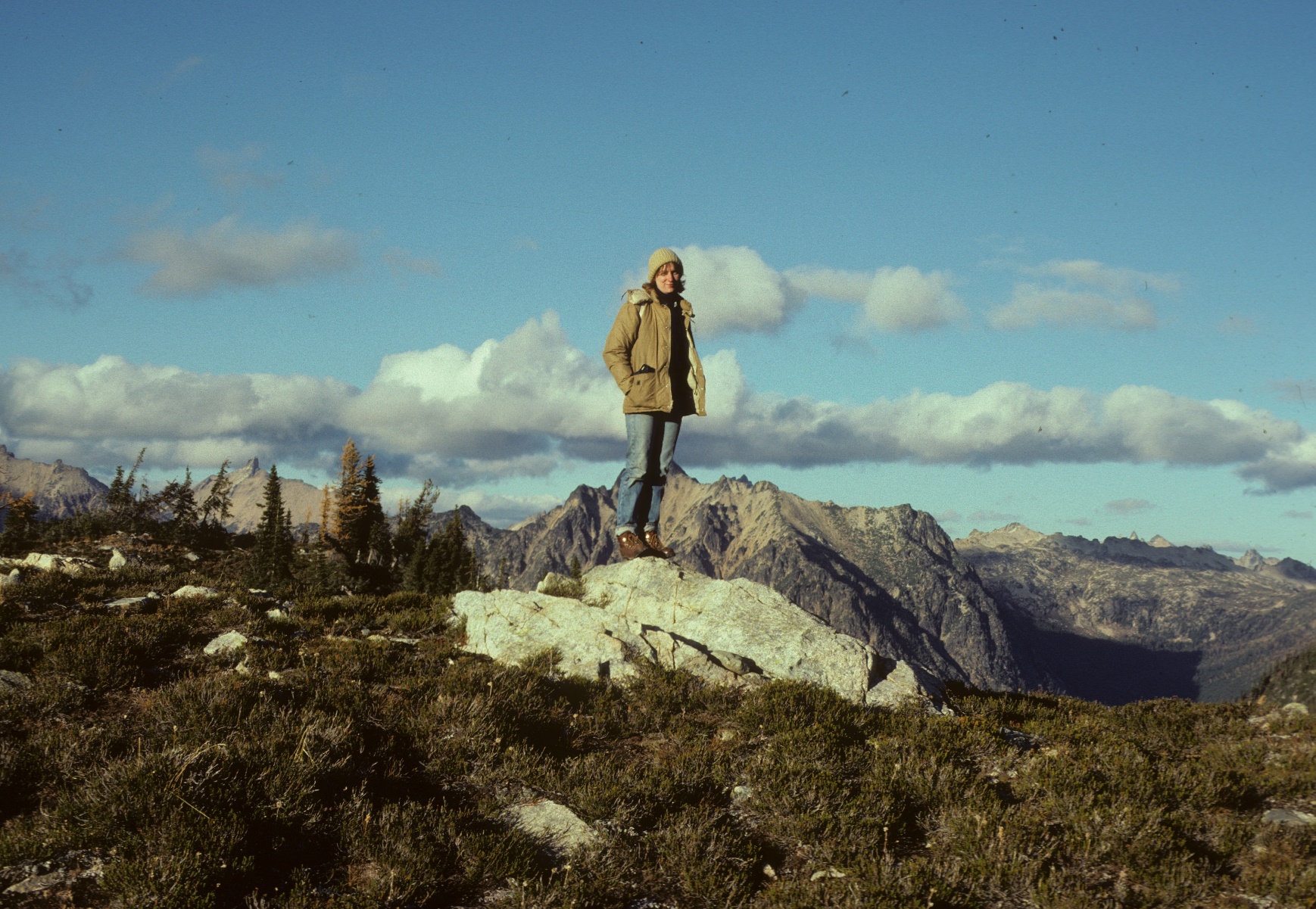
We also did a short trip in the Mission Mountains in Montana. This was my first experience of being above treeline and I absolutely loved the expansive views! While I still loved forests and lakes, I soon realized the mountains were where I was meant to be!
Once in Washington State we were kept busy with jobs, a house, nursing school for me, and later, kids. While John did a few solo trips, I did not go backpacking again until we felt our kids were big enough to do some shorter, easier trips. Through the years we did more easy backpacking with our kids and occasionally with some of their friends.
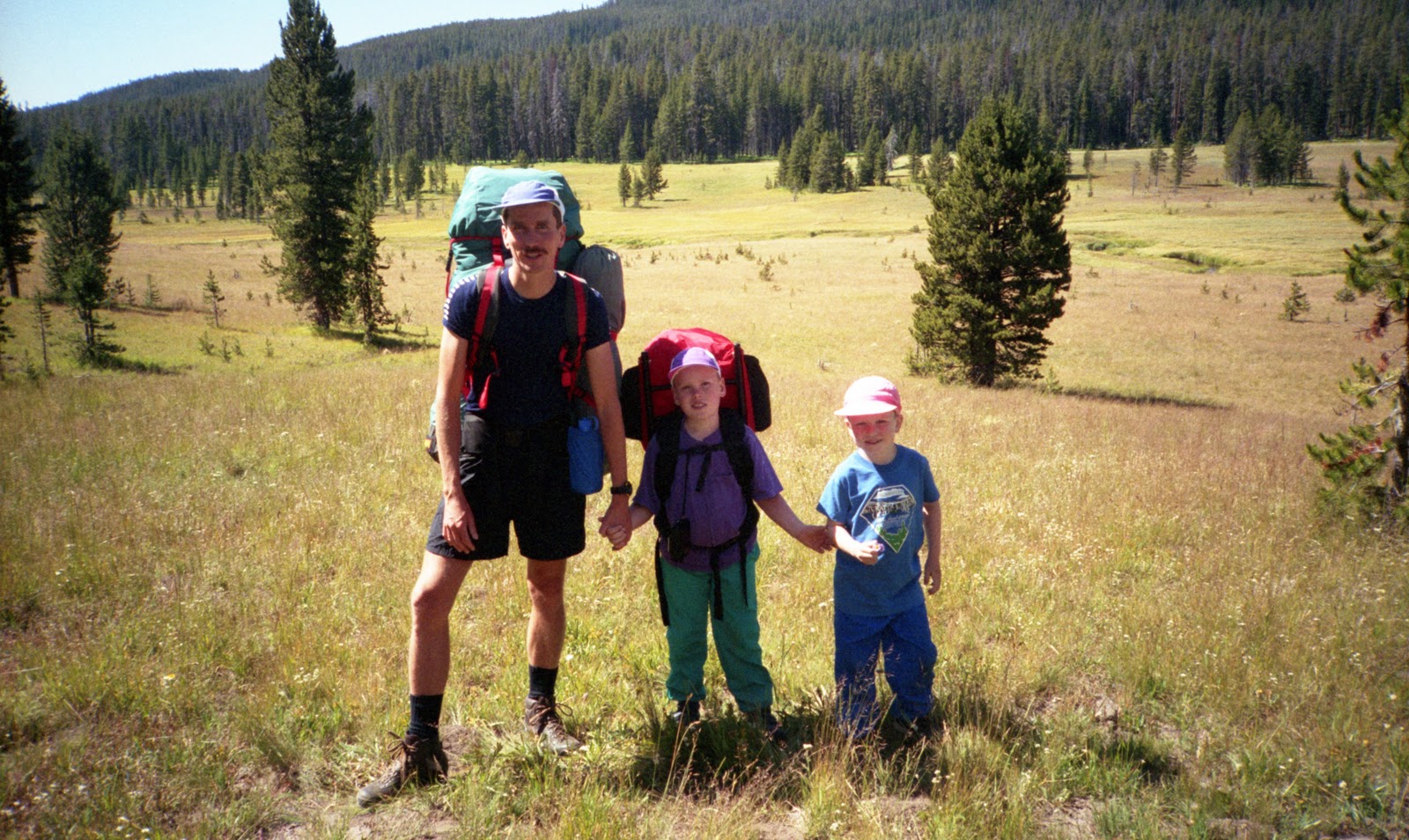
But later, it was just the two of us again and we headed back to the mountains. John retired in late 2009 and then in April 2010, after we sold our house, we hit the road in our motorhome. By the time we hiked the PCT through Washington in 2018, we had done quite a few backpack trips in the US as well as internationally.
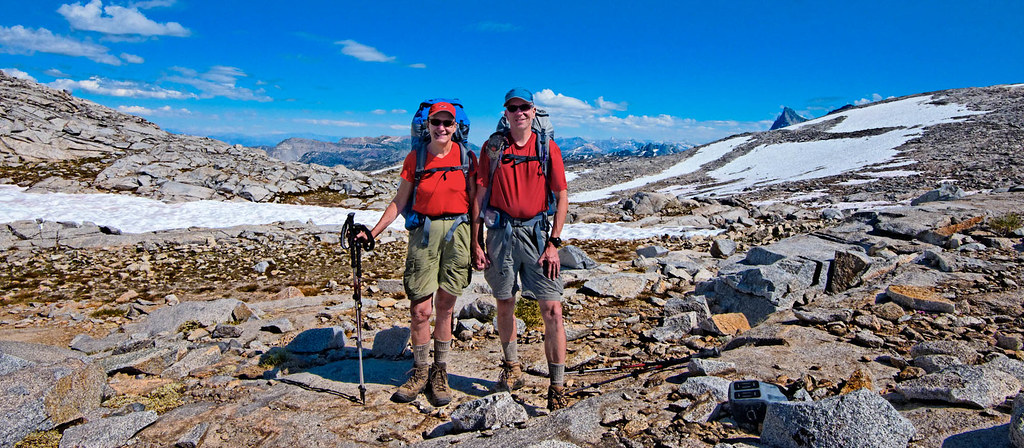
I don’t remember when we first talked about backpacking the Pacific Crest Trail (PCT). We had read that to complete the PCT in one season, we would need to be capable of averaging at least 25 miles per day. However, I had been having a lot of knee pain due to arthritis, so I had trouble visualizing myself maintaining that pace over the sometimes very challenging terrain day after day for months on end. John may have been capable of it, but he was disinclined to do it alone. As a consolation prize we decided to do the best of the PCT, the 211-mile-long John Muir Trail (JMT) through the Sierra Nevada.
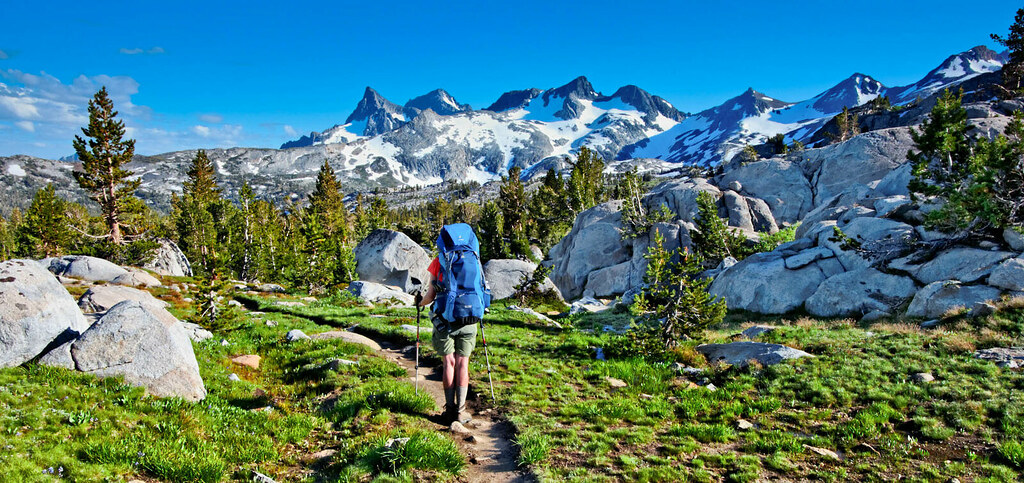
We did it in 2011. It was a great trip and remains our all-time favorite backpack trip. You can read about it here.
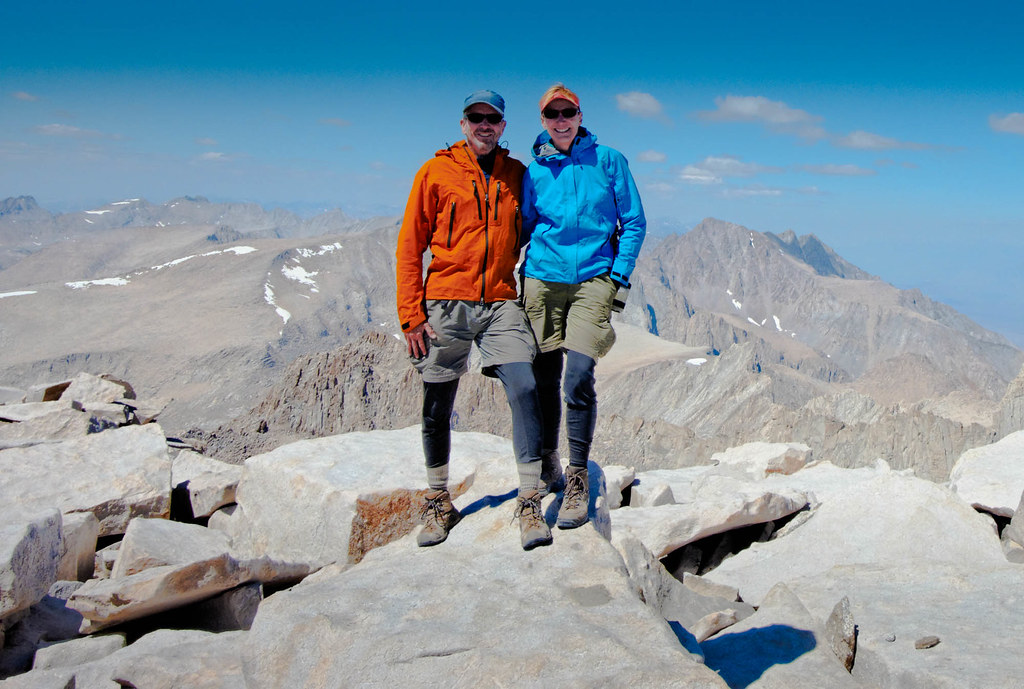
Later, we began to talk about the possibility of doing all five sections of the PCT within Washington State. We knew we could complete it with a series of shorter backpack trips but there was just something about doing all 504 miles in one continuous trip that appealed to both of us. However, it would be the biggest thing we had ever done, more than twice as far as the JMT. We decided to do it in 2018. We would be 64 and 65 years old, over twice the age of most backpackers we could encounter. I am happy to report that we were successful. You can read about it here.
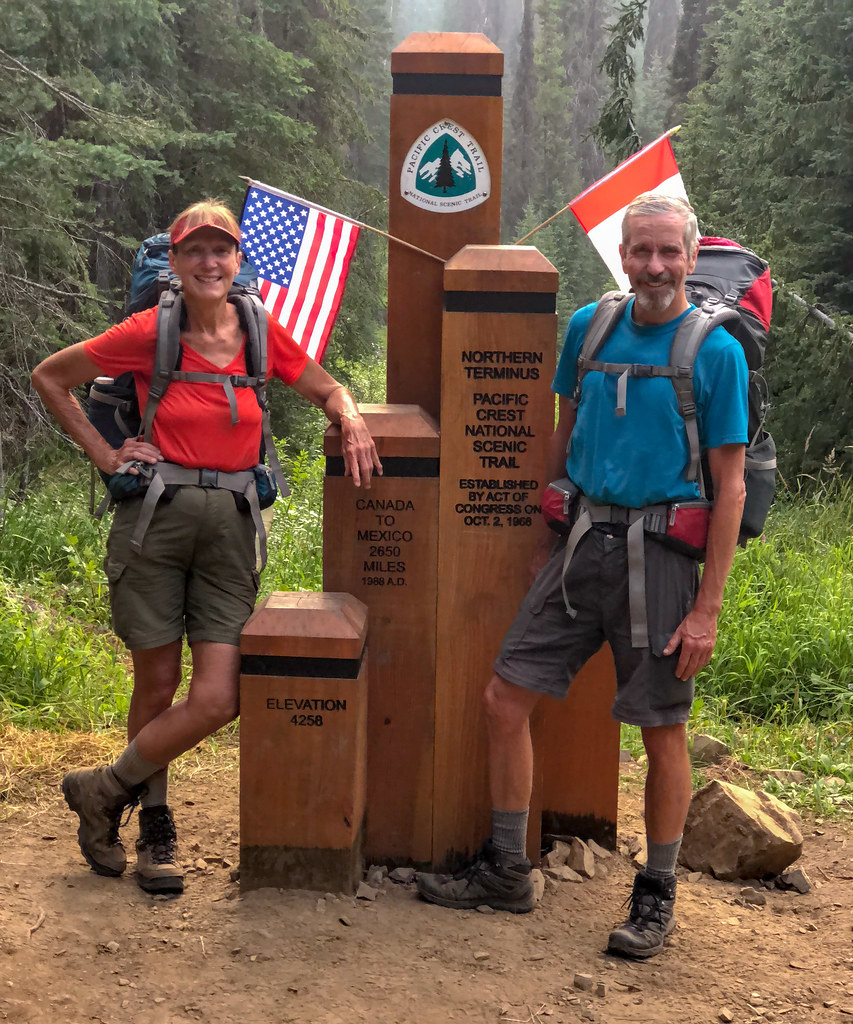
When we began the PCT through Washington, we knew we would not experience the solitude we prefer. There had been a marked increase in the number of people hiking the PCT in recent years. A big advantage of our not thru-hiking was that we could plan to be in Washington State before the vast majority of northbound thru-hikers got there. Fifty permits are issued each day for those starting the PCT at the Mexico border, and during peak season they are all taken.
So, what has caused so many more people to head into the PCT in recent years? Granted, there are now many online resources available to help hopeful thru-hikers plan a journey on the PCT such as PCTA.org, Postholer.com, Craig’s PCT Planner, Halfmile’s PCT maps. And apps such as Halfmile’s iPhone app and FarOut’s Pacific Crest Trail app provide easy and accurate ways to track their progress and plan upcoming days.
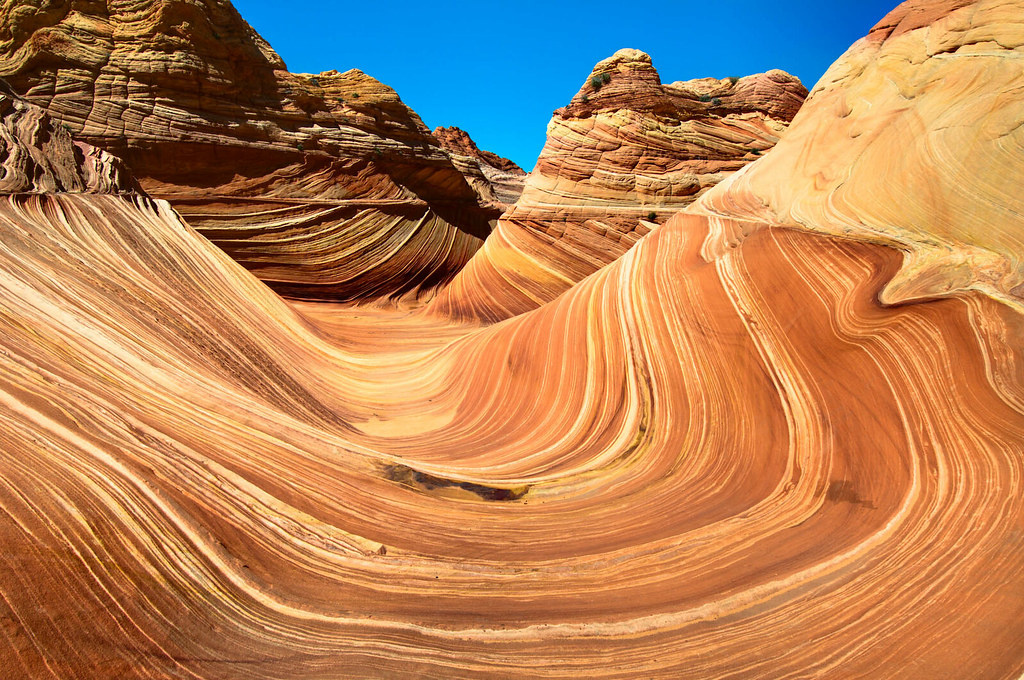
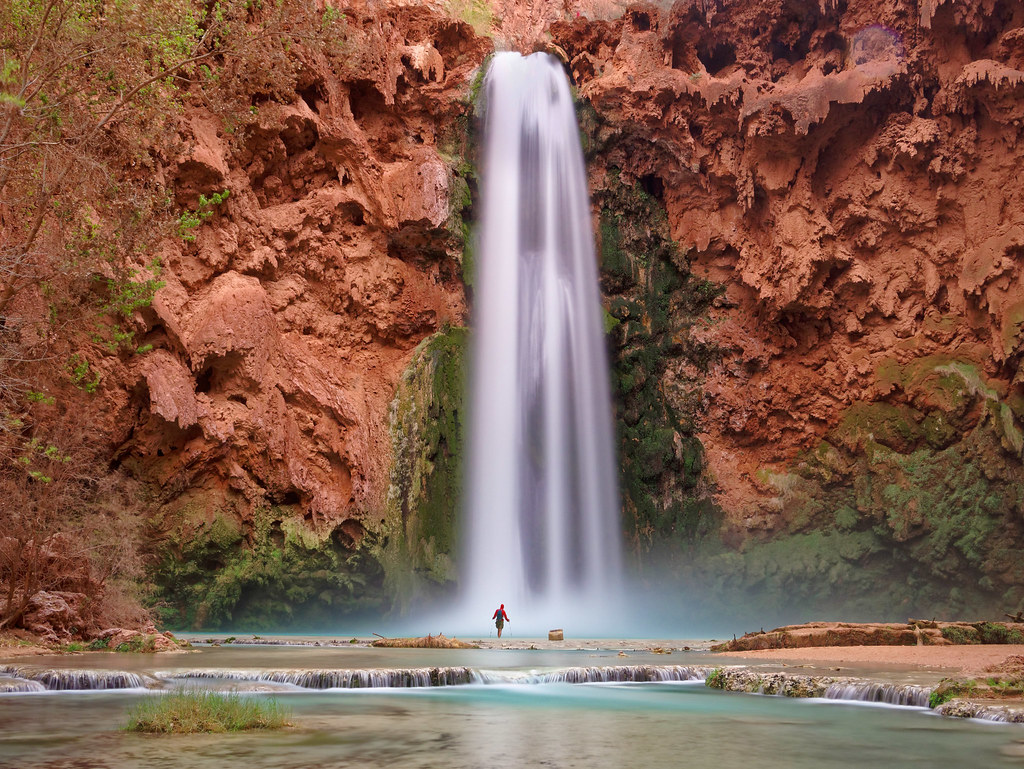
For quite some time I have also been aware of the negative impact social media has had on our wild places. In pre-internet days, gorgeous images were largely relegated to personal photo albums, books and calendars. Now photographs of our natural wonders are regularly posted on Facebook, Pinterest, Tumblr and other sites and shared countless times every day with innumerable people all over the world. This has caused some previously little-known locations to achieve international rock-star status. Places like Havasu Falls …
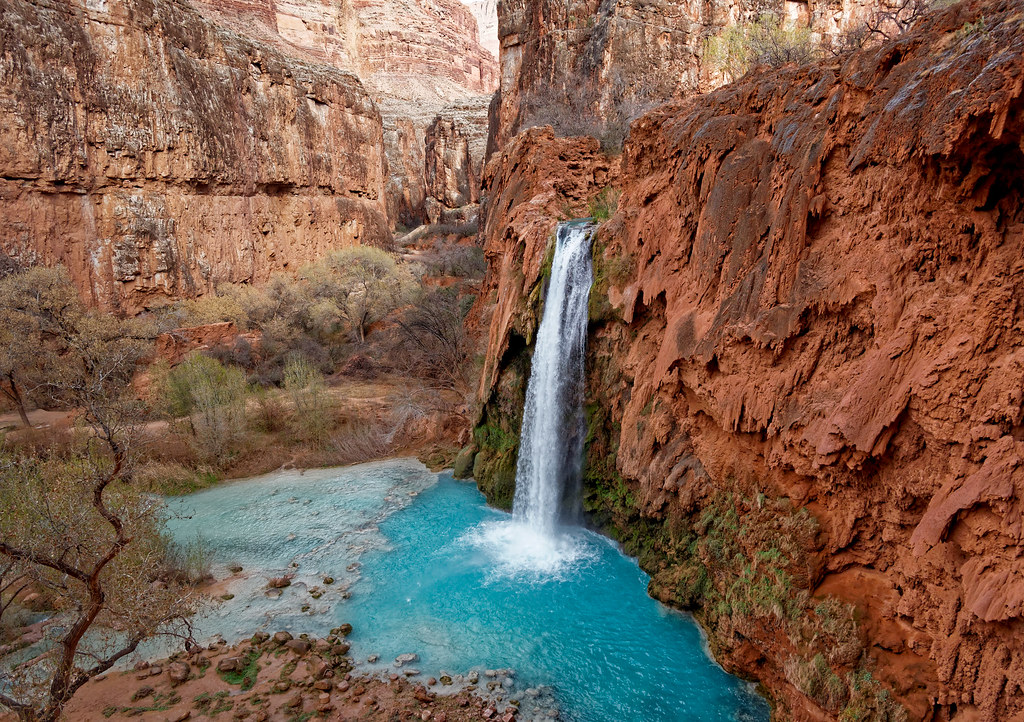
… and the Wave are now on the bucket lists of people all over the world. But the PCT lacks that one iconic image so I don’t know if social media can be given much of the blame for the increased popularity of the PCT.
One thing thought to be a major cause of this dramatic uptick in people attempting to hike the PCT is the 2012 book written by Cheryl Strayed, Wild: From Lost to Found on the Pacific Crest Trail. Back in 1995, the author, who was not an experienced backpacker, decided on a whim to hike a portion of the PCT—1,100 miles. She was experiencing some personal challenges and found redemption on the PCT. This apparently inspired others. In 2014 it was made into a movie, Wild, starring Reese Witherspoon. I read the book and tried to watch the movie, but I must admit I was put off by her lack of preparation and her reliance on dumb luck and the kindness of strangers. I shared others’ concerns that this would encourage more inexperienced and ill-prepared backpackers to attempt something way beyond their abilities and knowledge.
But there must be something other than that driving people to hike the PCT. Most thru-hikers we saw were typically under 30, very lean, solo and male. They all seemed quite well prepared and extremely capable, so I seriously doubted any of these guys had been inspired by Cheryl Strayed’s bumbling journey. Undoubtedly the bubble of hikers would contain a larger proportion of ones who were ill-prepared, but they would be the ones most likely to be slowed—or stopped—by adverse conditions such as snow in the Sierra. They would also most likely be traveling at a slower pace, so they were nowhere near Washington State when we were there.
So, if the Wild Effect is not completely responsible, what else has happened to cause such an intense increase in the number of people willing to endure the hardships of such a journey? Perhaps it is due in part to a phenomenon we have observed elsewhere: the dramatic increase in the level of physical fitness many individuals are achieving.
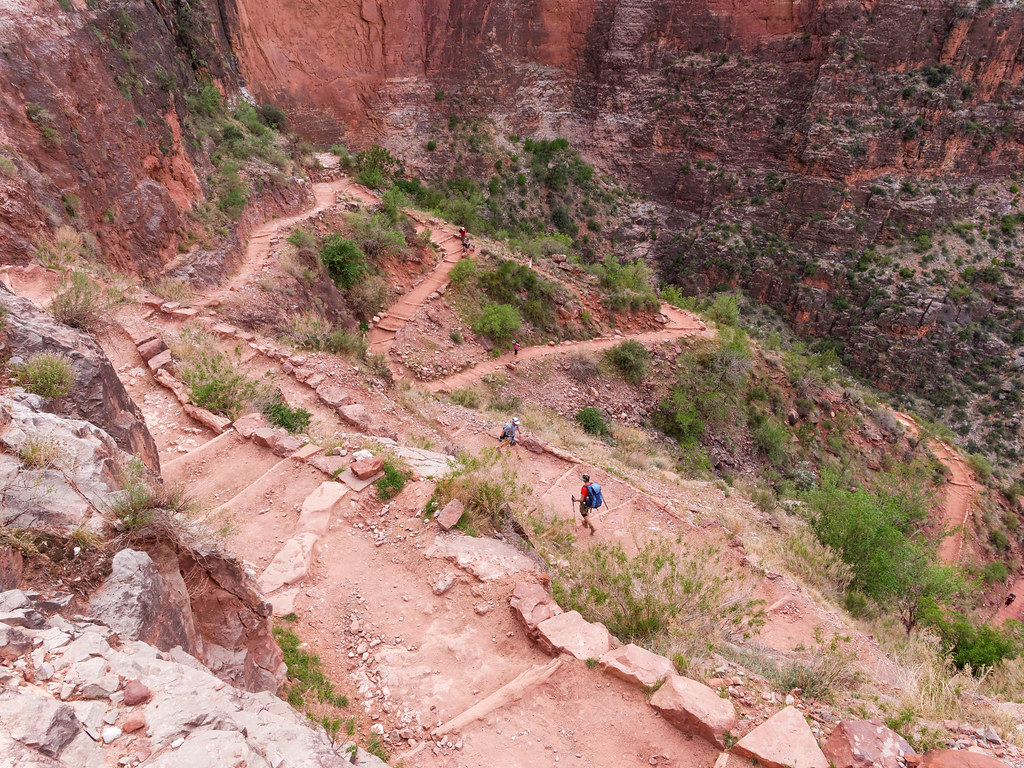
What is taking place in Grand Canyon is a good example. In recent years, traversing the canyon from one rim to the other, AKA Rim-to-Rim or simply R2R, has found its way onto many people’s bucket lists. It is most commonly done on the corridor trails: North Kaibab, Bright Angel or South Kaibab. In the past, the usual way to do that was as a multi-day backpack trip. But permits are limited and in high demand, so they can be very challenging, even seemingly impossible, to obtain. More people are now choosing to do the 21- to 23.5-mile trip (depending on which South Rim trail is used) as a day trip. The Park Service is adamant that hikers should not attempt to get down to the river and back to the rim in just one day. I understand why they must take this position, but we have chosen to ignore this advice on multiple occasions. We did R2R, going down the North Kaibab Trail and up the Bright Angel Trail, in one day back in 2011. We were in our late 50s at the time and reasonably fit.
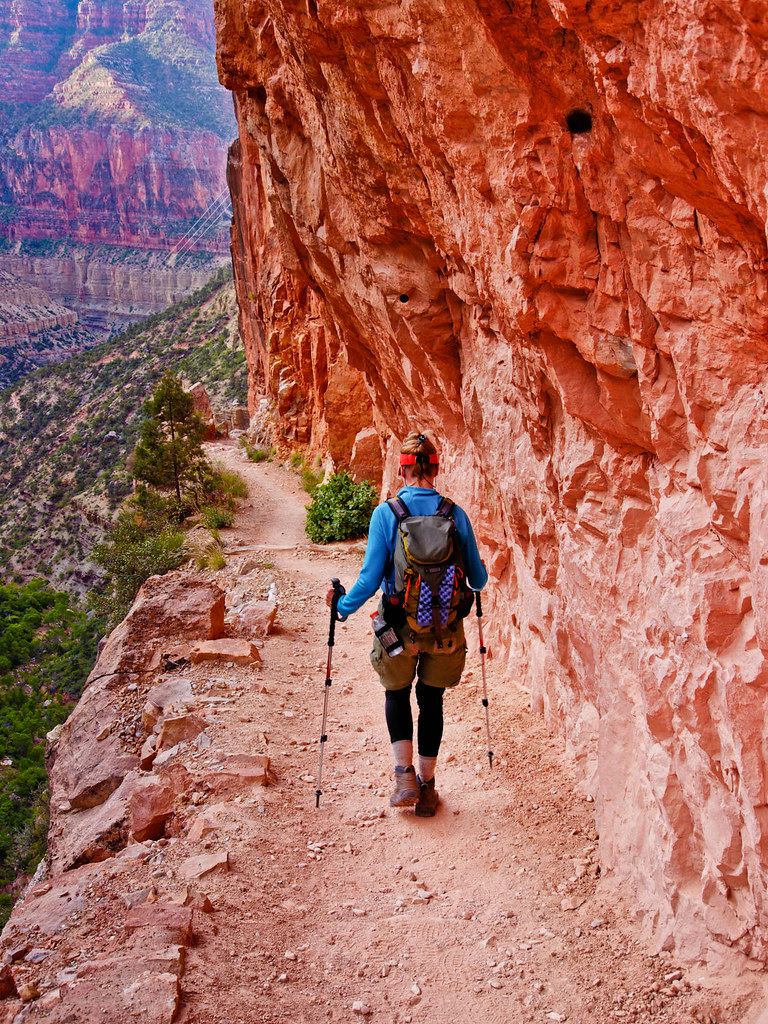
It was challenging and it took all day, but we had no difficulty with one exception: trail runners, many trail runners. It was a Sunday in mid-May and the first weekend the North Rim was open. The night before, we slept in our car just outside the park and got to the North Kaibab Trailhead at 5:30 AM. We immediately encountered a parade of passenger vans driving up and disgorging dozens of scantily clad trail runners. We were to learn that trail running R2R, even R2R2R, had become a thing, and individuals and members of running groups were flocking to Grand Canyon. My concern was that this obsession could reduce this magnificent canyon to a piece of gym equipment. Fortunately, the majority of runners soon passed us, and we could then hike in peace.
But when it comes to the PCT, there must be more to it than just people being more physically fit. It is one thing to take a day to run back and forth across Grand Canyon. It is quite another to devote months to hiking from Mexico to Canada. Typically, the PCT thru-hikers we talked to were either just out of college or between jobs (not to mention between relationships). This makes sense, as it would be challenging for someone with a job and family to take that much time away from their responsibilities.
I was reminded of something Clay Christensen described in his book, How Will You Measure Your Life? He talks about the human pursuit of achievement and our inclination to aggregate things to measure our success. He says this need to add things up is because humans have “limited minds.” He states that we instinctively and unconsciously allocate our time and energy to “whatever activities in our life that gives us the most immediate evidence of achievement.” He goes on to say that quite often it is our career that provides us with that sense of achievement, whereas investments in family do not pay off for a very long time.
Christensen’s idea may help explain some of the appeal of thru-hiking. It certainly helps explain backpacking’s appeal to us. Backpacking provides all sorts of ways to measure accomplishment: pack weight, miles covered in a day, passes crossed and, ultimately, the distance between where you started and where you finished.
There is an addictive simplicity to backpacking. Once you do all the pre-trip planning—organizing your food, packing your gear and so forth—all that is left is the Zen-like activity of simply putting one foot in front of the other. While it can sometimes be daunting to look ahead and see how much farther you still need to go, …
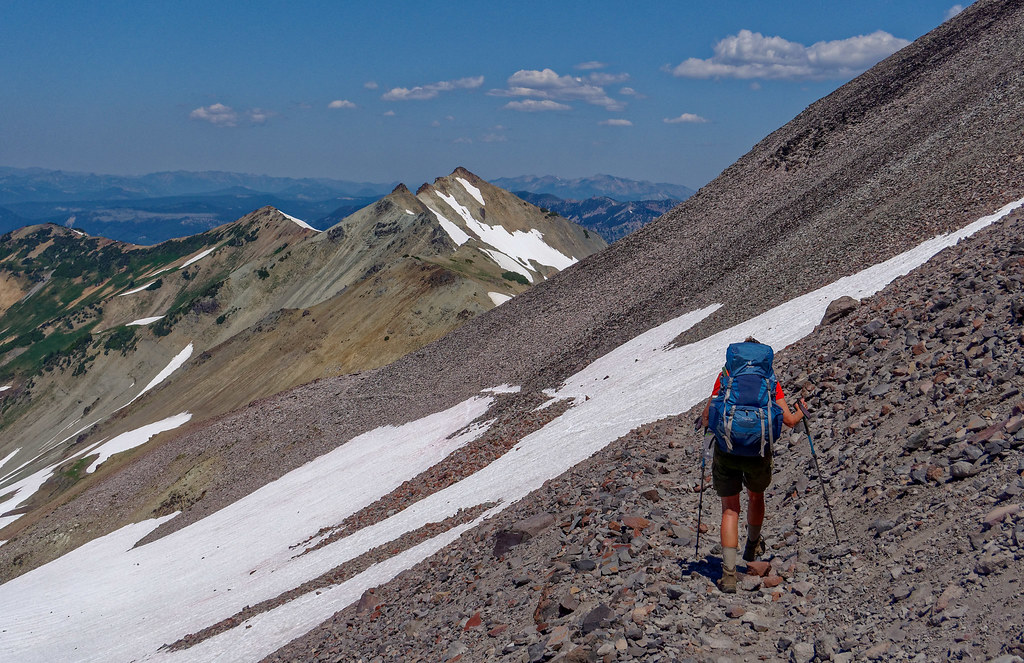
… there is an intense feeling of accomplishment and personal satisfaction that comes from stopping and looking back at where you were earlier in the day, earlier in the week, even earlier in the month.
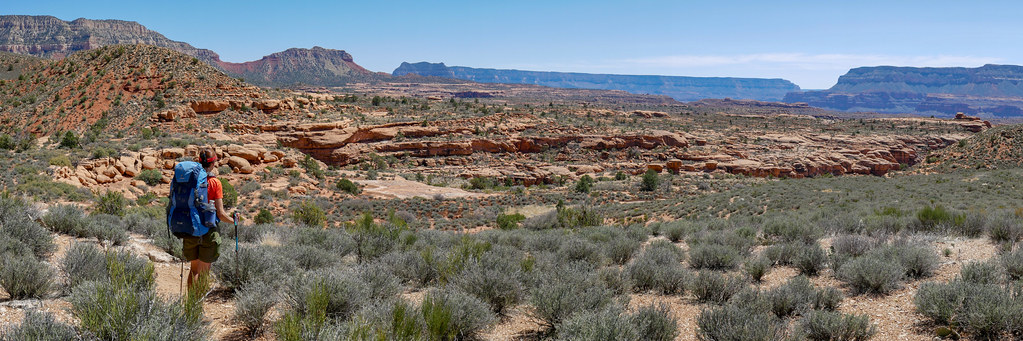
I can’t blame the increase in the number of people in the backcountry on any one thing. It would be selfish of me to believe I have a right to be there, but others don’t. However, I still mourn the loss of opportunities for solitude and a true wilderness experience. It is an unfortunate reality that the PCT is now being loved to death. Here is what the Pacific Crest Trail Association has to say about it: “Concentrations of hikers starting at the Mexican border in spring have significantly increased and impacts to fragile desert resources are a concern… Real, negative impacts are noted.” Two examples:
- Improper disposal of human waste is a problem on the PCT
- Social campfires in Southern California, where wildland brushfires start easily and spread all too close to homes
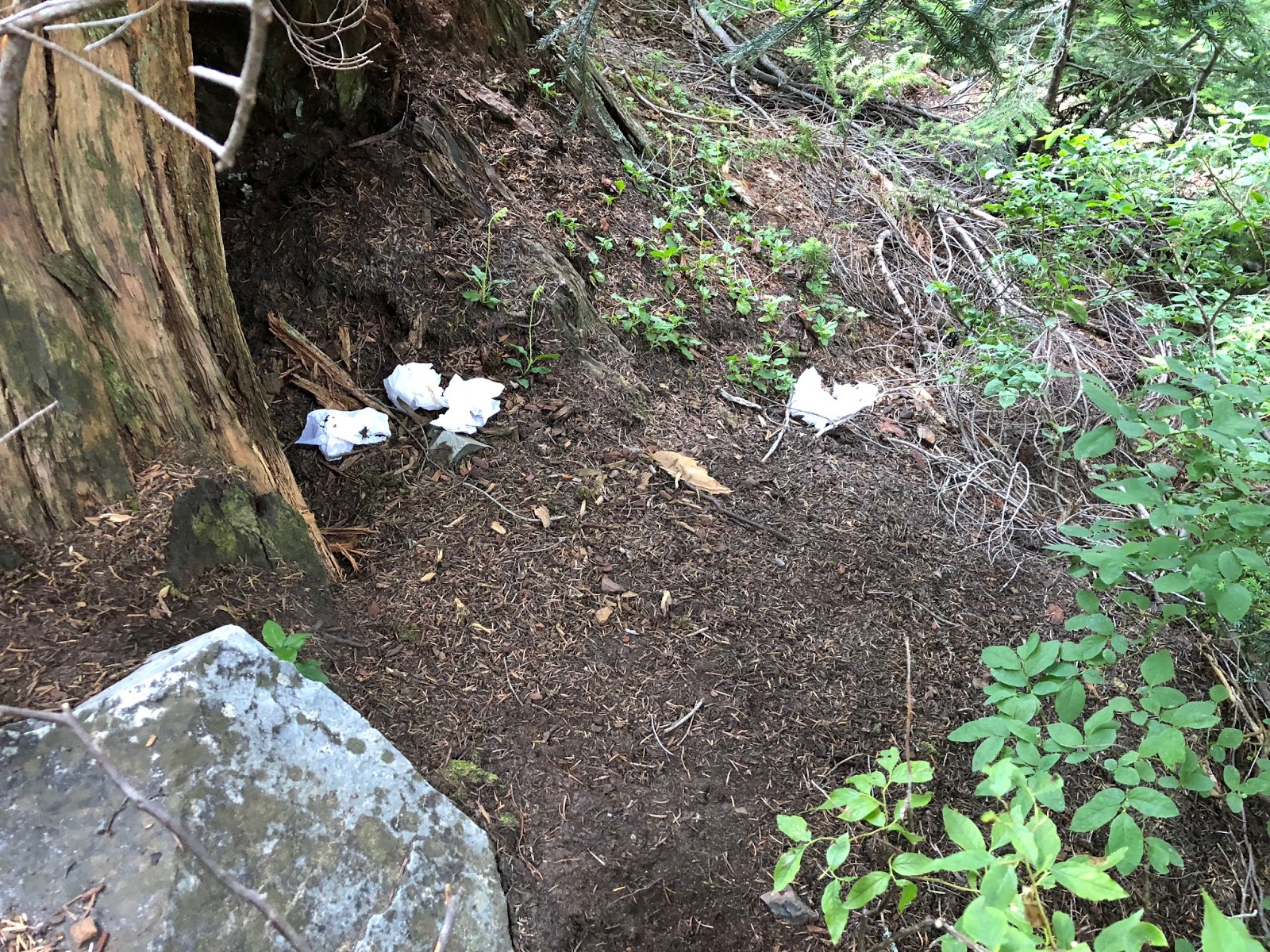
We have witnessed examples of this behavior. In the past, when I would duck behind a rock or tree to answer a call of nature, I occasionally encountered a single wad of used toilet paper. I would use a baggie to pick it up and then pack it out. Unfortunately, as the years have passed, I have been encountering much more TP as well as piles of unburied human waste. It has become too much. I don’t like leaving the paper behind, but on a long backpack trip I am reluctant to carry the additional weight and bulk of all the used TP I am now seeing.
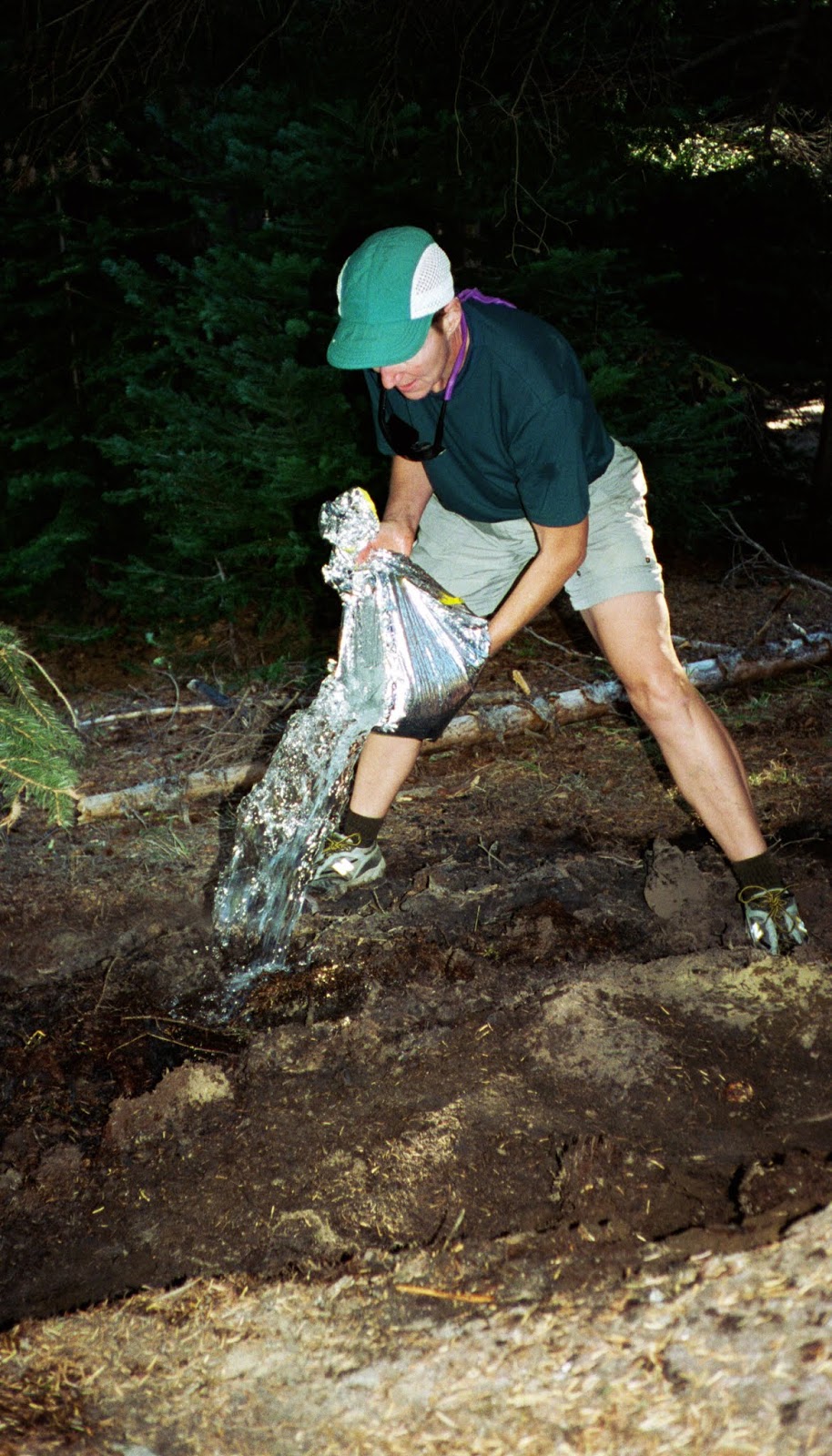
We have read accounts where a single mismanaged campfire can quickly evolve into a wildfire of catastrophic proportions, and we have witnessed firsthand the carelessness of some who go into the backcountry. Many years ago, John and I were on a day hike to Lake Ingalls, a lovely area within Washington’s Alpine Lakes Wilderness. We were doing it as a loop and, late in the day, were heading out toward Longs Pass. As we hiked, we began smelling smoke. When we reached a large, vacant horse camp, the smell became quite intense, so we stopped to investigate. What we found was the remains of a campfire that had been built in the duff under an evergreen tree and had not been completely extinguished. By the time we found it, the smoldering embers extended over an area at least ten feet in diameter. Only luck had prevented it from bursting into flames and spreading quickly. We used large chunks of bark as shovels to clear a bare-dirt perimeter and a Mylar space bag to haul water from a nearby creek. We spent a couple of hours working nonstop to ensure it was completely out before hiking the rest of the way out in darkness. I shudder to imagine what would have happened had we not been there.
While on the PCT in 2018, we passed through the devastation caused by the previous year’s Norse Peak Fire.
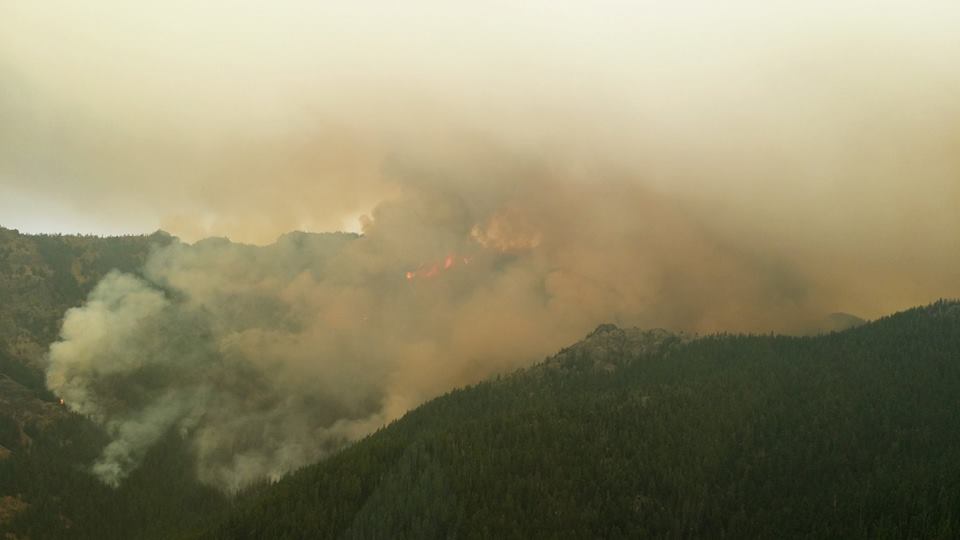
While I had read about this fire, nothing could have prepared me for the experience of spending several hours walking through its devastation. It was like being in a graveyard and deathly quiet. There was no birdsong or sound of wind rustling through leaves. We heard only the occasional creaking of the skeletal remains of a once majestic forest.
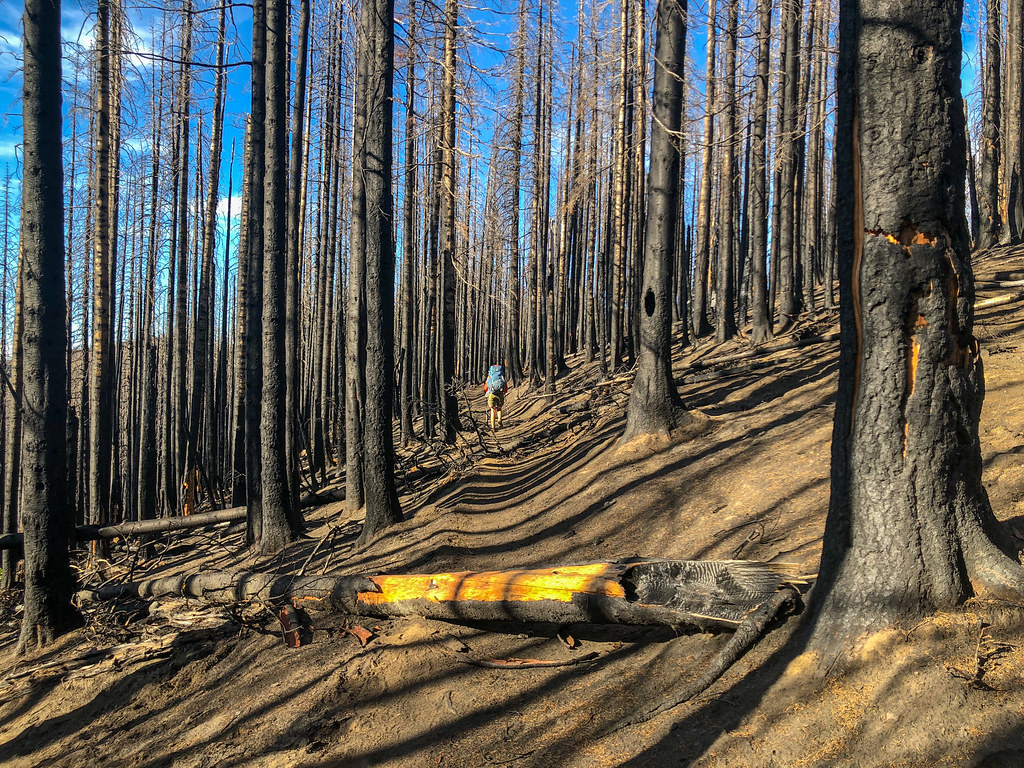
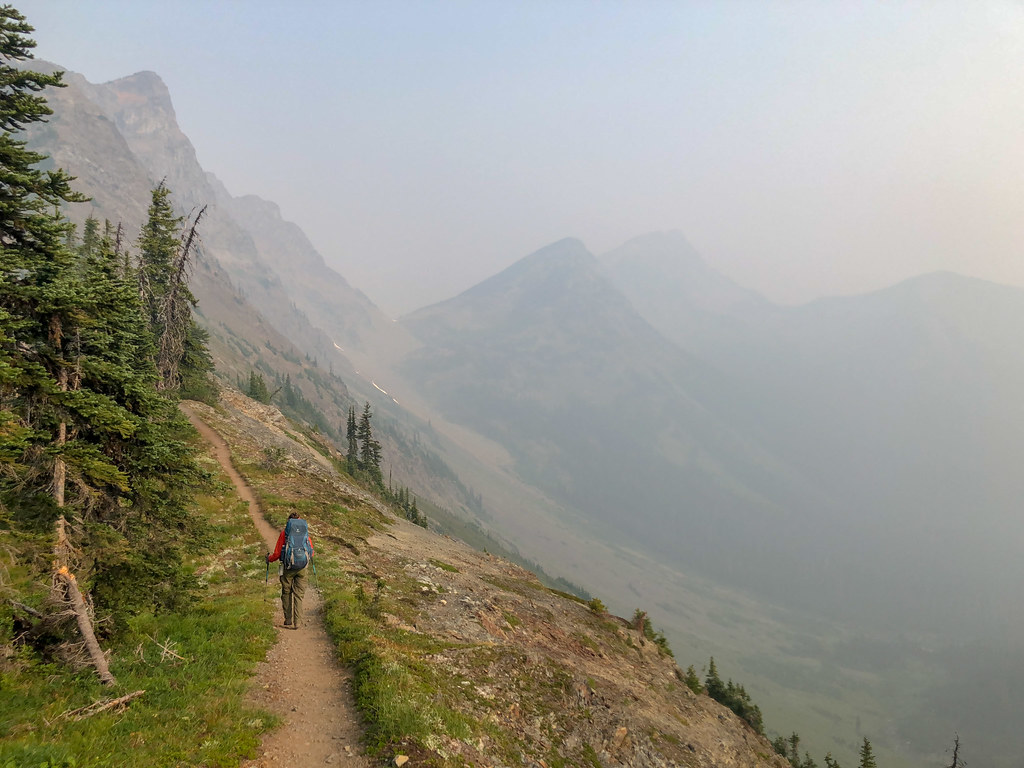
Hiking the PCT north from Highway 20 that year was bittersweet. On one hand, I was happy that the trail was open after having been closed. We could complete our goal of hiking the PCT from Oregon to Canada in one continuous trip. On the other hand, it was completely demoralizing to look out and see thick haze obscuring what I knew were stunningly beautiful mountains. Something we did not know at the time was that this section of trail was closed again shortly after we completed it. We count ourselves lucky to have been there during the brief period when the PCT was open to hikers all the way to the Canadian border.
John and I have been incredibly fortunate in all the opportunities we have had to go into the backcountry. If, for whatever reason, we can never go into the backcountry again, we have enough photographs and memories to last us for the rest of our lives. But we are not ready to hang up our hiking boots yet. There are still places we want to see and trails we want to hike. Some will be crowded, and we accept that some destinations are worth it.
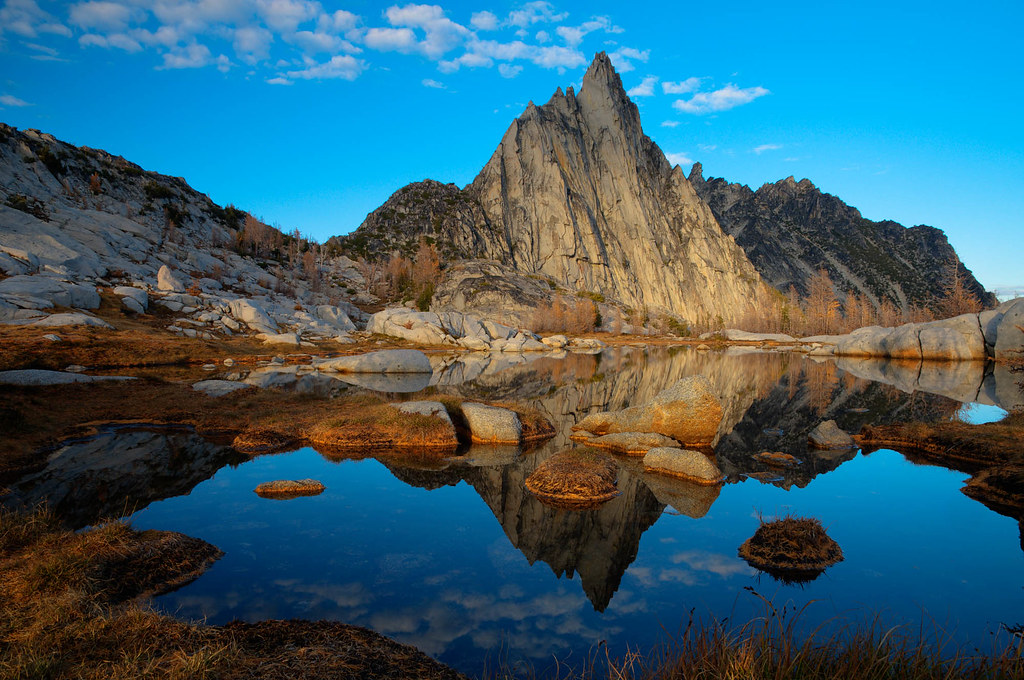
While we will always prefer solitude, we can still choose to visit popular areas and avoid some of the crowds by going at less busy times of the year.
We can also hike on popular trails as part of a larger trip, arranging to be there at less busy times of the day.
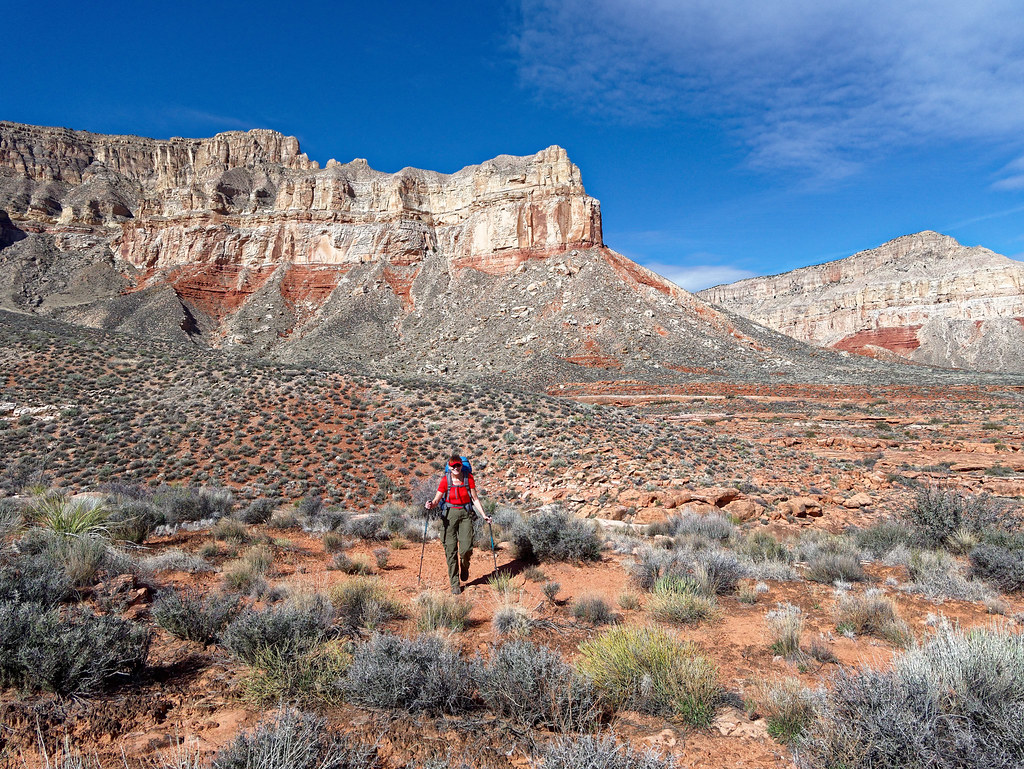
Most importantly, we can still find the solitude we so crave by simply being willing to venture farther off the beaten path. After all, we know it is still possible to hike on an official named trail or route in Grand Canyon National Park in peak season and not see another soul for days at a time.
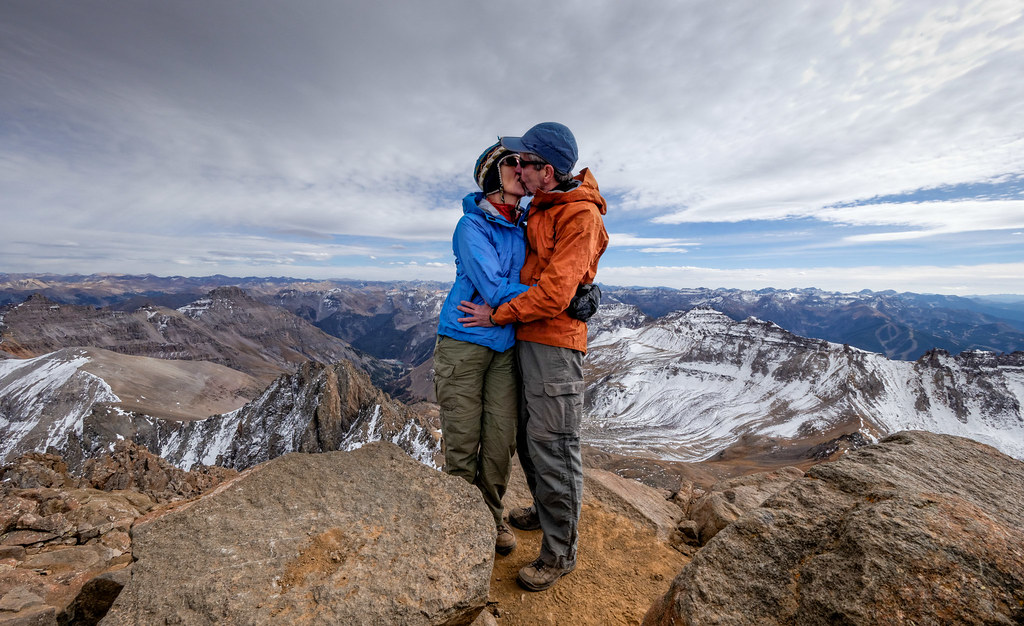
Yes, many things have changed since our first backpack trips back in the 1970s. But fortunately, there is still some peace and quiet, some solitude, some wilderness left for those who are willing to do what is necessary to find it.


Leave a Reply